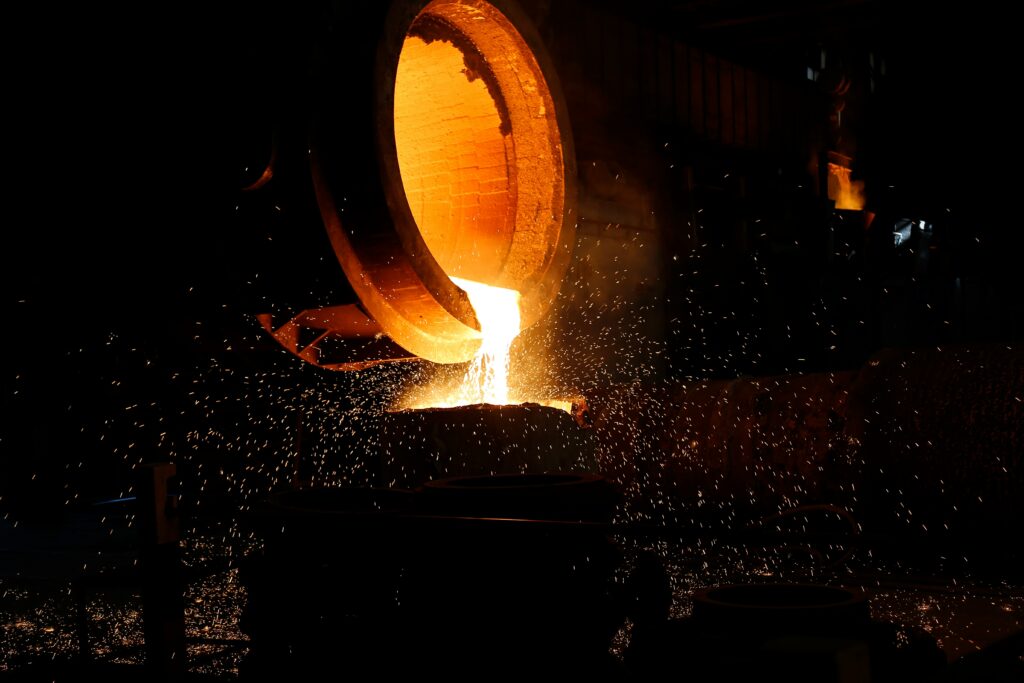
Steel is a remarkable material that has been a cornerstone of modern construction and manufacturing. Its unique properties, such as high tensile strength, durability, and versatility, make it an ideal choice for a wide range of applications. When I think about steel, I am often reminded of its ability to withstand immense pressure while maintaining its structural integrity. This characteristic is primarily due to the alloying elements present in steel, such as carbon, manganese, and chromium, which enhance its mechanical properties. The combination of these elements allows steel to be molded into various shapes and sizes, making it suitable for everything from skyscrapers to bridges and even intricate machinery.
Moreover, the crystalline structure of steel plays a significant role in its behavior under different conditions. The arrangement of atoms within the steel can change based on temperature and processing methods, leading to variations in hardness and ductility. For instance, when I consider the process of heat treatment, I realize how it can transform steel from a relatively soft material into one that is incredibly hard and resistant to wear. Understanding these properties is crucial for anyone working with steel, as it directly influences how the material will perform in real-world applications.
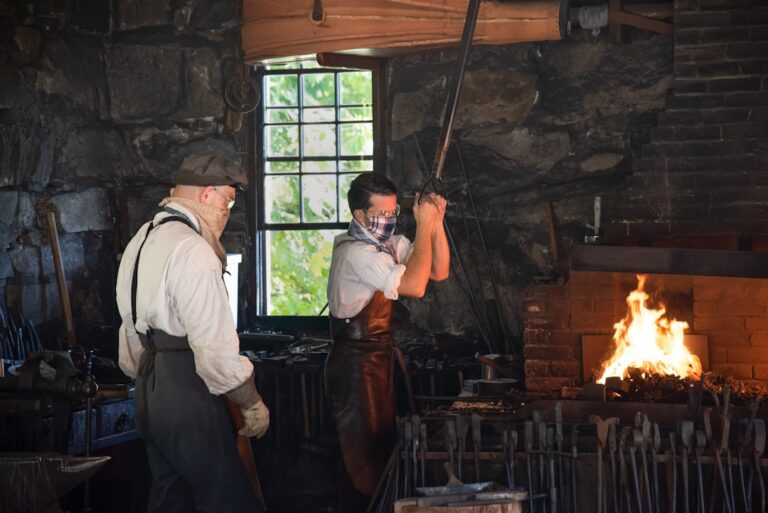
If you’re curious about the intricacies of metalwork and blacksmithing, you might find the article “The Art of Metalwork and Blacksmithing” particularly enlightening. It delves into the techniques and skills that can influence how steel behaves during the forging process, which could shed light on why your steel isn’t moving the way you expect. To explore this further, you can read the article here: The Art of Metalwork and Blacksmithing.
Key Takeaways
- Steel properties such as expansion and contraction influence its movement.
- Temperature and humidity significantly affect steel’s dimensional changes.
- Proper handling and storage are crucial to prevent unwanted steel movement.
- Quality control measures help monitor and minimize steel movement issues.
- New technologies improve control over steel movement for better performance.
Factors Affecting the Movement of Steel
The movement of steel is influenced by a myriad of factors that can affect its stability and performance. One of the primary factors I often consider is the physical dimensions of the steel itself.
Variations in length, width, and thickness can lead to differential expansion or contraction when exposed to temperature changes.
This phenomenon can result in warping or bending, which can compromise the integrity of a structure. Additionally, the method of fabrication plays a significant role; for example, welded joints may behave differently than bolted connections under stress.
Another critical factor is the environmental conditions surrounding the steel. Humidity and temperature fluctuations can cause steel to expand or contract, leading to potential movement that could affect its alignment within a structure. I have observed that in regions with extreme weather conditions, the effects of thermal expansion become even more pronounced. Therefore, understanding these environmental influences is essential for engineers and architects who design structures that incorporate steel.
Common Misconceptions about Steel Movement

Throughout my experiences in the industry, I have encountered several misconceptions regarding steel movement that can lead to misunderstandings and poor practices. One prevalent myth is that steel is impervious to movement once it has been installed. In reality, even after installation, steel can still experience shifts due to various factors such as temperature changes or settling of the foundation. This misconception can lead to complacency in monitoring and maintenance practices, which are vital for ensuring long-term structural integrity.
Another common misunderstanding is that all types of steel behave uniformly under stress. In truth, different grades and alloys of steel exhibit varying responses to external forces. For instance, high-strength low-alloy (HSLA) steels may perform differently than stainless steels when subjected to similar conditions. This lack of awareness can result in inappropriate material selection for specific applications, ultimately affecting the performance and safety of structures.
Importance of Proper Handling and Storage of Steel
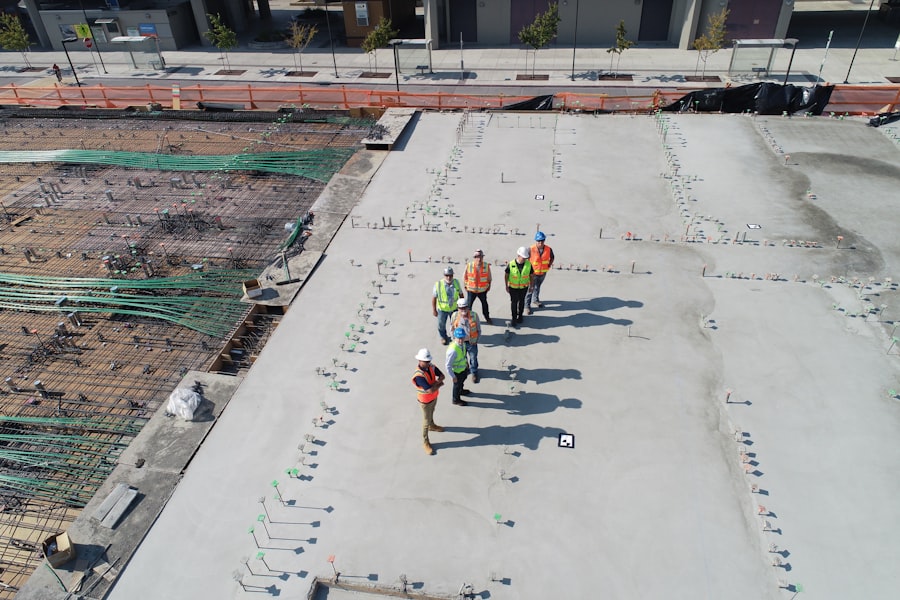
Proper handling and storage of steel are paramount to maintaining its quality and performance over time. When I think about the logistics involved in transporting steel, I recognize that improper handling can lead to surface damage or even structural defects. For instance, if steel is dropped or subjected to excessive force during transportation, it may develop micro-cracks that are not immediately visible but can compromise its strength.
Storage conditions also play a crucial role in preserving the integrity of steel. I have learned that exposure to moisture can lead to rust formation, which not only affects the aesthetic appeal but also weakens the material over time. Therefore, it is essential to store steel in a dry environment and elevate it off the ground to prevent contact with moisture. Implementing proper handling and storage practices ensures that the steel remains in optimal condition for its intended use.
If you’re struggling with the movement of your steel during your blacksmithing projects, you might find it helpful to explore some beginner tips that can enhance your forging techniques. A related article that offers valuable insights is available at Getting Started: Beginner Blacksmith Forge Tips. This resource can provide you with essential information to improve your skills and better understand the properties of steel, ultimately leading to more successful outcomes in your work.
Impact of Temperature and Humidity on Steel Movement
Temperature and humidity are two environmental factors that significantly impact the movement of steel. As I delve deeper into this topic, I realize that temperature fluctuations can cause steel to expand or contract, leading to potential misalignment within structures. For example, during hot summer months, steel components may expand due to increased temperatures, while colder months may cause them to contract. This cyclical movement can create stress points that may lead to structural failure if not properly accounted for during design.
Humidity also plays a critical role in the behavior of steel. High humidity levels can accelerate corrosion processes, particularly if the steel is not adequately protected with coatings or treatments. I have seen firsthand how rust can form on unprotected surfaces, leading to deterioration over time.
Additionally, moisture can exacerbate thermal expansion issues by creating localized areas of corrosion that weaken specific sections of a structure.
Understanding these impacts is essential for engineers who must design structures capable of withstanding environmental challenges.
Techniques for Minimizing Steel Movement
To mitigate the movement of steel and ensure structural integrity, several techniques can be employed during both design and construction phases. One effective method I have encountered is the use of expansion joints in structures where significant temperature fluctuations are expected. These joints allow for controlled movement without compromising the overall stability of the building or infrastructure. By incorporating expansion joints strategically throughout a structure, engineers can accommodate thermal expansion while minimizing stress on critical components.
Another technique involves selecting appropriate materials and coatings that enhance resistance to environmental factors such as moisture and temperature changes. For instance, using galvanized or stainless steel can provide additional protection against corrosion, thereby reducing the likelihood of movement caused by rust-related deterioration. Additionally, employing advanced fabrication techniques such as pre-stressing or post-tensioning can help counteract potential movement by introducing counteracting forces within the structure itself.
Role of Quality Control in Steel Movement
Quality control plays an indispensable role in managing steel movement throughout its lifecycle. From the initial manufacturing process to installation and beyond, rigorous quality assurance measures are essential for ensuring that steel components meet specified standards. I have come to appreciate how thorough inspections during fabrication can identify potential defects early on, preventing issues related to movement later in the construction process.
Moreover, ongoing quality control during installation is equally important. Regular monitoring and testing can help detect any misalignments or shifts that may occur as a result of environmental factors or construction practices. By implementing robust quality control protocols, engineers and contractors can ensure that any potential issues are addressed promptly, ultimately enhancing the longevity and safety of structures built with steel.
Advancements in Steel Technology and Movement Control
As I reflect on my experiences in the field, I am excited about the advancements in steel technology that have emerged in recent years. Innovations such as high-performance steels with enhanced strength-to-weight ratios have revolutionized how we approach design and construction. These advanced materials not only offer improved performance but also contribute to reducing overall material usage, which aligns with sustainability goals.
Additionally, advancements in monitoring technology have made it possible to track the movement of steel structures in real-time. Sensors embedded within steel components can provide valuable data on stress levels and environmental conditions, allowing engineers to make informed decisions regarding maintenance and repairs. This proactive approach to monitoring ensures that potential issues related to movement are addressed before they escalate into significant problems.
In conclusion, understanding the properties of steel and the factors affecting its movement is crucial for anyone involved in construction or manufacturing. By dispelling common misconceptions and emphasizing proper handling and storage practices, we can ensure that steel remains a reliable material for generations to come. As technology continues to advance, I am optimistic about our ability to control steel movement effectively while enhancing its performance in various applications.
FAQs
1. Why does steel sometimes not move as expected during fabrication?
Steel may not move as expected due to factors such as residual stresses, improper heating or cooling rates, incorrect tooling, or material inconsistencies. These factors can cause warping, distortion, or unexpected deformation during processes like bending, cutting, or welding.
2. How do residual stresses affect the movement of steel?
Residual stresses are internal stresses locked into the steel from previous manufacturing processes. They can cause the steel to spring back, warp, or distort when cut, bent, or welded, leading to movement that differs from the intended design.
3. Can the type of steel influence how it behaves during processing?
Yes, different steel grades have varying chemical compositions and mechanical properties, which affect their ductility, strength, and response to heat treatment. These differences influence how the steel moves or deforms during fabrication.
4. What role does temperature play in steel movement?
Temperature significantly impacts steel behavior. Heating can cause expansion and softening, while cooling can lead to contraction and hardening. Uneven heating or cooling can result in uneven movement, warping, or residual stresses.
5. How can manufacturers control unexpected steel movement?
Manufacturers can control steel movement by selecting appropriate steel grades, using proper heating and cooling techniques, applying stress-relief treatments, employing precise tooling, and conducting thorough quality inspections throughout the fabrication process.