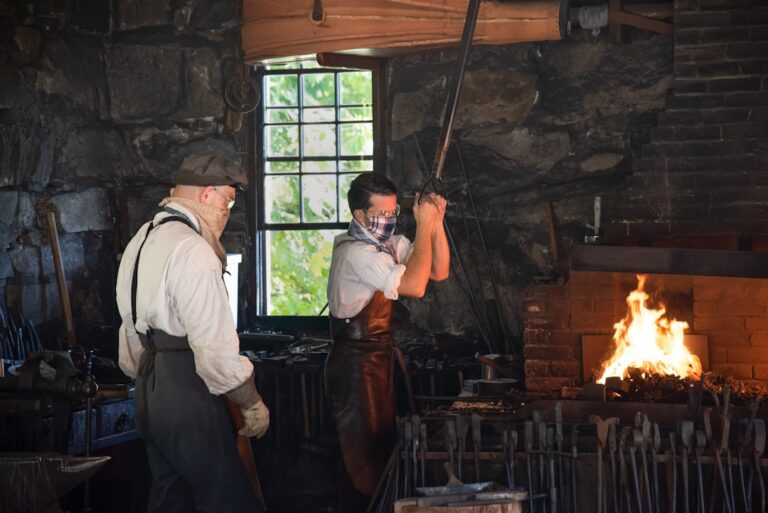
The history of metalwork and blacksmithing is a fascinating journey that traces back thousands of years. As we delve into this rich past, we find that the origins of metalworking can be linked to the discovery of metallurgy around 6000 BCE in the Middle East. Early civilizations began to experiment with copper, which marked the dawn of the Copper Age.
This initial foray into metalwork laid the groundwork for future advancements, as societies recognized the advantages of metal tools and weapons over their stone counterparts. The transition from the use of copper to bronze, which occurred around 3000 BCE, signified a monumental leap in technology. The alloying of tin with copper produced bronze, a material that was not only stronger but also more versatile, leading to a surge in metalworking techniques.
As we move through history, we see that blacksmithing emerged as a specialized craft during the Iron Age, around 1200 BCE. The ability to forge iron revolutionized various aspects of life, from agriculture to warfare. Blacksmiths became essential figures in their communities, providing tools that enabled farmers to cultivate land more efficiently and creating weapons that shaped the outcomes of battles.
The art of blacksmithing evolved over centuries, with techniques being passed down through generations. By the Middle Ages, blacksmiths had established themselves as vital members of society, often working in guilds that regulated their craft and ensured quality standards. This period also saw the rise of ornamental blacksmithing, where artisans began to create intricate designs for decorative purposes, blending functionality with artistry.
Key Takeaways
- Metalwork and blacksmithing have a long history dating back to ancient civilizations, with evidence of metalworking dating back to 4500 BCE.
- Traditional tools and techniques such as the anvil, hammer, and forge are still used in modern metalwork and blacksmithing, alongside newer technologies like welding and plasma cutting.
- Blacksmiths have played a crucial role in society, creating essential tools, weapons, and decorative items, and often held high status in their communities.
- Metalwork combines both artistic and functional elements, with intricate designs and patterns often seen in architectural and decorative pieces.
- Famous metalworkers and blacksmiths throughout history include the legendary Japanese swordsmith Masamune and the renowned Renaissance artist and blacksmith, Giuseppe Arcimboldo.
Tools and Techniques Used in Metalwork and Blacksmithing
In our exploration of metalwork and blacksmithing, we cannot overlook the essential tools and techniques that have defined this craft. At the heart of blacksmithing lies the forge, a furnace where metal is heated until it becomes malleable. Traditionally, blacksmiths used coal or charcoal as fuel, but modern forges may utilize gas or electric heating elements for efficiency.
The anvil is another cornerstone tool, serving as a sturdy surface on which heated metal is shaped and formed. Its flat surface allows for precision work, while its horn and hardy hole enable various techniques such as bending and punching. As we consider the techniques employed by blacksmiths, we find a rich tapestry of methods that have been refined over centuries.
Forging is perhaps the most fundamental technique, involving the shaping of metal through hammering while it is hot. This process can create everything from simple tools to complex artistic pieces. Another important technique is welding, which allows blacksmiths to join two pieces of metal together by heating them until they fuse.
Additionally, techniques such as casting and engraving have expanded the possibilities within metalwork, enabling artisans to create both functional items and intricate designs. The combination of these tools and techniques has allowed blacksmiths to push the boundaries of creativity while maintaining the practical applications of their craft.
The Role of Blacksmiths in Society

The role of blacksmiths in society has evolved significantly over time, yet their importance remains steadfast. In ancient communities, blacksmiths were often regarded as essential figures due to their ability to create tools and weapons that were crucial for survival. They were not merely craftsmen; they were innovators who contributed to advancements in agriculture and warfare.
As we reflect on this historical context, we recognize that blacksmiths played a pivotal role in shaping economies and societies by providing the means for progress. In more recent times, particularly during the Industrial Revolution, the role of blacksmiths began to shift as mass production took hold. However, even amidst this change, blacksmiths found ways to adapt and thrive. They transitioned from producing everyday tools to focusing on specialized items such as horseshoes and ornamental ironwork. Today, blacksmiths continue to hold a unique place in society as both artisans and tradespeople.
They are often sought after for their craftsmanship in creating custom pieces that reflect individual tastes and preferences. In many communities, blacksmiths serve as educators, sharing their knowledge with aspiring artisans and ensuring that traditional techniques are preserved for future generations.
The Artistic and Functional Aspects of Metalwork
| Aspect | Description |
|---|---|
| Material | Types of metal used in metalwork, such as iron, steel, copper, brass, and aluminum. |
| Techniques | Various methods used in metalwork, including forging, casting, welding, and soldering. |
| Design | The artistic elements of metalwork, including patterns, motifs, and decorative features. |
| Functionality | How metalwork is used in practical applications, such as in architecture, furniture, or tools. |
| History | The historical significance of metalwork and its evolution over time. |
Metalwork is a captivating blend of artistry and functionality that has fascinated us throughout history. As we examine this duality, we see how blacksmiths have skillfully balanced the practical needs of society with their creative impulses. On one hand, metalwork serves essential functions; tools crafted by blacksmiths enable us to perform tasks more efficiently, while structural elements like gates and railings provide safety and security.
The durability of metal ensures that these functional items withstand the test of time, making them invaluable in our daily lives. On the other hand, the artistic aspect of metalwork cannot be overlooked. Blacksmiths have long embraced their creative side by incorporating intricate designs into their work.
From ornate wrought iron gates to delicate jewelry pieces, metal can be transformed into stunning works of art that captivate the eye. This artistic expression often reflects cultural influences and personal stories, allowing us to connect with the craftsmanship on a deeper level. As we appreciate both the functional and artistic dimensions of metalwork, we recognize that it is not merely about creating objects; it is about telling stories through the medium of metal.
Famous Metalworkers and Blacksmiths Throughout History
Throughout history, numerous metalworkers and blacksmiths have left an indelible mark on their craft, inspiring generations to come. One such figure is Vassilis Vassiliou, a contemporary Greek blacksmith known for his innovative approach to traditional techniques. His work often blends ancient methods with modern aesthetics, resulting in pieces that resonate with both history and contemporary design sensibilities.
Vassiliou’s dedication to preserving traditional craftsmanship while pushing creative boundaries exemplifies the spirit of modern blacksmithing. Another notable figure is Samuel Yellin, an American blacksmith active in the early 20th century who became renowned for his intricate wrought iron designs. His work adorned numerous public buildings and private residences across the United States, showcasing the beauty that can be achieved through skilled metalwork.
Yellin’s legacy continues to inspire aspiring blacksmiths today as they strive to create pieces that are both functional and artistically significant. These individuals remind us that blacksmithing is not just a trade; it is an art form that has evolved over time while remaining deeply rooted in tradition.
The Modern Revival of Metalwork and Blacksmithing

In recent years, we have witnessed a remarkable revival of interest in metalwork and blacksmithing. This resurgence can be attributed to several factors, including a growing appreciation for handmade craftsmanship in an increasingly digital world. As we seek authenticity in our possessions, many individuals are turning to artisans who create unique pieces with care and skill.
This trend has led to a renewed demand for custom metalwork, allowing blacksmiths to showcase their talents while connecting with clients on a personal level. Moreover, educational programs and workshops dedicated to teaching metalworking skills have proliferated across various communities. These initiatives provide aspiring artisans with opportunities to learn traditional techniques while fostering a sense of community among practitioners.
The Importance of Metalwork in Architecture and Design
Metalwork plays a crucial role in architecture and design, contributing both structural integrity and aesthetic appeal to buildings and public spaces. As we explore this intersection between metalwork and architecture, we recognize that metals such as steel and iron are often used in construction due to their strength and durability. From beams supporting skyscrapers to intricate railings adorning staircases, metal elements enhance both functionality and visual interest within architectural designs.
In addition to structural applications, decorative metalwork has become an integral part of architectural aesthetics. Ornamental iron gates, balustrades, and light fixtures add character and elegance to buildings while reflecting cultural influences and artistic styles. As we appreciate these design elements, we understand how skilled metalworkers contribute significantly to creating spaces that inspire awe and admiration.
The collaboration between architects and blacksmiths fosters innovation in design while ensuring that functionality remains at the forefront.
Learning Metalwork and Blacksmithing as a Hobby or Profession
For those intrigued by the world of metalwork and blacksmithing, embarking on this journey can be both rewarding and fulfilling. Whether we approach it as a hobby or consider it as a potential profession, there are numerous avenues available for learning this craft. Many community colleges offer courses in metalworking that cater to beginners while providing access to essential tools and equipment.
Additionally, workshops led by experienced artisans allow us to gain hands-on experience while receiving guidance from skilled practitioners. As we immerse ourselves in this craft, we discover not only technical skills but also a sense of community among fellow enthusiasts. Joining local blacksmithing clubs or online forums enables us to connect with others who share our passion for metalwork.
Through collaboration and shared experiences, we can learn from one another while fostering creativity within our projects. Ultimately, whether we pursue metalworking as a hobby or profession, we find ourselves partaking in a timeless tradition that celebrates craftsmanship and artistry—a journey that connects us with generations past while paving the way for future innovations in this captivating field.
If you are interested in metalwork and blacksmithing, you may want to check out the article “The Art of Blacksmithing” on Far Hills Forge. This article delves into the history and techniques of blacksmithing, providing valuable insights for both beginners and experienced metalworkers. Additionally, you can explore more resources and tutorials on blacksmithing on Far Hills Forge.