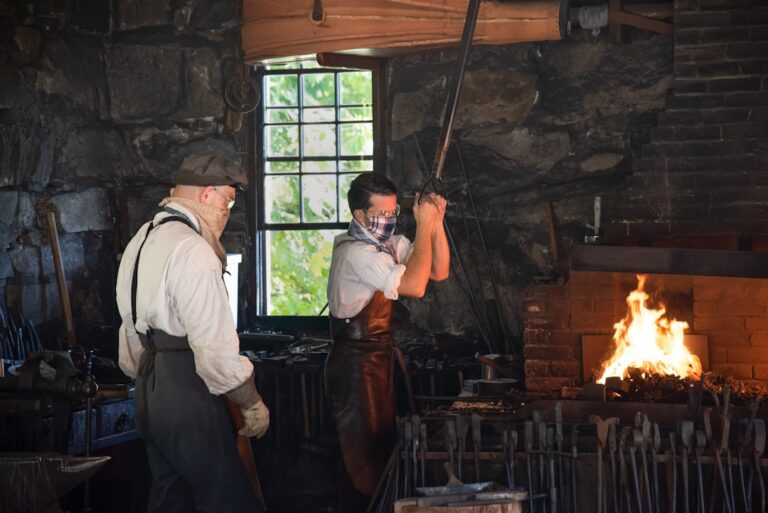
When we embark on our journey into the world of blacksmithing, one of the first and most crucial decisions we face is choosing the right forge. The forge serves as the heart of our workshop, where raw metal transforms into functional art. There are various types of forges available, each with its own advantages and disadvantages.
We can opt for a coal forge, a gas forge, or even an electric forge, depending on our preferences and the type of work we intend to pursue. Coal forges are traditional and provide a high level of heat, making them ideal for forging larger pieces. However, they require more maintenance and can be messier than their gas counterparts.
On the other hand, gas forges are popular among beginners due to their ease of use and cleaner operation. They heat up quickly and allow for precise temperature control, which is essential for successful forging. Electric forges are another option, particularly for those who may not have access to traditional fuels or who prefer a more modern approach.
Regardless of the type we choose, it’s essential to consider factors such as portability, size, and fuel availability. Ultimately, our choice of forge will significantly influence our blacksmithing experience, so we should take the time to research and select one that aligns with our goals and working style.
Key Takeaways
- When choosing a forge, consider factors such as size, fuel type, and portability to find the right fit for your needs.
- Essential safety precautions when working with a forge include wearing protective gear, maintaining a clean workspace, and being mindful of fire hazards.
- Basic tools and equipment for forging include a hammer, anvil, tongs, and a heat source, such as a forge or torch.
- When selecting the right fuel for your forge, consider factors such as cost, availability, and the type of metal you will be working with.
- Building your first fire in the forge requires arranging the fuel in a way that promotes airflow and using a reliable ignition method.
- Understanding heat and metal is crucial for successful forging, including knowing the temperature at which different metals become malleable.
- Beginner projects to try when starting out with forging include making simple hooks, bottle openers, and decorative items.
- Resources for further learning about forging techniques and projects include books, online tutorials, and local blacksmithing classes.
Essential Safety Precautions
Protecting Ourselves
Before we even light our forge, we should equip ourselves with the necessary safety gear. This includes safety glasses to protect our eyes from flying sparks and debris, heat-resistant gloves to shield our hands from burns, and sturdy boots to protect our feet from falling tools or hot metal. Additionally, wearing long sleeves made from natural fibers can help prevent burns while also providing some protection against cuts.
Creating a Safe Workspace
We should ensure that our forging area is well-ventilated to avoid inhaling harmful fumes, especially when working with certain metals or fuels. Keeping a fire extinguisher nearby is also a wise precaution, as it allows us to respond quickly in case of an emergency.
Minimizing Risks
Furthermore, we should familiarize ourselves with the tools we are using and understand their proper handling techniques. By prioritizing safety in our blacksmithing endeavors, we can enjoy the craft while minimizing risks and ensuring a productive experience.
Basic Tools and Equipment

Equipping ourselves with the right tools is essential for any aspiring blacksmith. While it may be tempting to invest in every tool available, we should focus on acquiring the basics that will allow us to start forging effectively. A good anvil is one of the most critical pieces of equipment we will need.
It provides a solid surface for shaping metal and comes in various sizes and styles. When selecting an anvil, we should consider its weight and material; a heavier anvil typically absorbs shock better and provides a more stable working surface. In addition to an anvil, we will need a hammer specifically designed for blacksmithing.
A cross-peen hammer is a versatile choice that allows us to create different shapes and forms in metal. Tongs are another essential tool; they help us grip hot metal safely without burning our hands. Other basic tools include chisels, punches, and files for finishing touches.
As we progress in our blacksmithing journey, we may find ourselves expanding our tool collection, but starting with these essentials will set a solid foundation for our craft.
Selecting the Right Fuel
| Fuel Type | Pros | Cons |
|---|---|---|
| Petrol | Widely available | Higher emissions |
| Diesel | Greater fuel efficiency | Higher particulate emissions |
| Electric | Zero emissions | Limited charging infrastructure |
Fuel selection plays a significant role in our blacksmithing experience, as it directly impacts the efficiency and effectiveness of our forge. Each type of fuel has its unique characteristics that can influence how we work with metal. For those using coal forges, bituminous coal is often preferred due to its high carbon content and ability to produce intense heat.
However, it requires careful management to maintain the right temperature and airflow within the forge. Gas forges typically use propane or natural gas as fuel sources. Propane is widely favored because it burns cleanly and produces consistent heat without the mess associated with coal.
When using gas, we should ensure that our forge is equipped with proper burners and regulators to control the flame effectively. Electric forges eliminate the need for traditional fuels altogether, relying on electrical heating elements to reach high temperatures. While they may not provide the same aesthetic experience as coal or gas forges, they offer convenience and ease of use for beginners.
Ultimately, our choice of fuel will depend on our forge type, personal preferences, and the specific projects we wish to undertake.
Building Your First Fire
Once we have chosen our forge and gathered our tools, it’s time to build our first fire—a pivotal moment in our blacksmithing journey. The process begins with preparing the forge by ensuring it is clean and free from debris. If we are using a coal forge, we should start by creating a small mound of coal in the center of the firepot.
This mound will serve as the foundation for our fire. Next, we can use kindling or lighter fluid to ignite the coal while ensuring proper airflow by adjusting the blower or air supply. For gas forges, lighting the fire is typically more straightforward.
We simply turn on the gas supply and use a long lighter or match to ignite the flame while ensuring that all safety precautions are in place. Once the fire is established, we should monitor the temperature closely as it rises. It’s essential to achieve a consistent heat level suitable for forging metal—usually around 1,500 degrees Fahrenheit (815 degrees Celsius) for most ferrous metals.
As we gain experience in building fires, we will learn how to adjust fuel levels and airflow to maintain optimal temperatures for different types of work.
Understanding Heat and Metal

A fundamental aspect of blacksmithing lies in understanding how heat affects metal properties. When metal is heated to its critical temperature—typically indicated by a bright red glow—it becomes malleable and easier to shape. This transformation occurs because heat alters the crystalline structure of the metal, allowing us to manipulate it without breaking or cracking.
As we work with different metals, such as steel or iron, we will notice variations in how they respond to heat. Moreover, cooling methods also play a crucial role in shaping metal properties. Quenching—rapidly cooling hot metal in water or oil—can harden certain steels but may also lead to brittleness if not done correctly.
Conversely, annealing—slowly cooling metal—can relieve internal stresses and make it more ductile. By experimenting with various heating and cooling techniques, we can gain valuable insights into how different metals behave under different conditions, ultimately enhancing our skills as blacksmiths.
Beginner Projects to Try
As we become more comfortable with our forge and tools, it’s time to embark on some beginner projects that will help us hone our skills while creating tangible results. One excellent starting point is crafting simple hooks or wall hangers.
We can experiment with different designs and sizes while gaining confidence in our abilities. Another rewarding project is making a small knife or letter opener. This endeavor introduces us to more complex shaping techniques while providing an opportunity to learn about edge geometry and heat treatment processes.
As we progress further into blacksmithing, we might consider creating decorative items such as candle holders or garden art pieces that showcase our creativity while reinforcing fundamental skills. Each project serves as a stepping stone toward more advanced techniques and designs.
Resources for Further Learning
To continue growing as blacksmiths, we must seek out resources that can deepen our understanding of this ancient craft. Books on blacksmithing techniques are invaluable; they provide insights into various methods, tools, and projects that can inspire us as we develop our skills. Online forums and communities dedicated to blacksmithing offer opportunities to connect with experienced smiths who can share their knowledge and answer questions.
Additionally, attending workshops or classes can provide hands-on experience under the guidance of skilled instructors. These immersive experiences allow us to learn new techniques while receiving immediate feedback on our work. As technology advances, online video tutorials have also become popular resources; they offer visual demonstrations that can enhance our learning process significantly.
By actively seeking out these resources and engaging with fellow enthusiasts, we can continue to refine our craft and explore new horizons within the world of blacksmithing. In conclusion, embarking on a journey into blacksmithing requires careful consideration of various factors—from choosing the right forge to understanding heat treatment processes. By prioritizing safety precautions and equipping ourselves with essential tools, we lay a solid foundation for our craft.
As we build fires and experiment with different projects, we gain valuable insights into metalworking techniques that will serve us well throughout our blacksmithing endeavors. With dedication and a willingness to learn from both successes and failures, we can unlock the creative potential within ourselves as artisans in this timeless craft.
If you are a beginner blacksmith looking to start your own forge, you may find the article “Getting Started with Blacksmithing” on Far Hills Forge to be a valuable resource. This article provides step-by-step instructions on setting up your forge, selecting the right tools, and getting started with basic blacksmithing techniques. It is a great starting point for anyone new to the craft and looking to learn the fundamentals of blacksmithing.