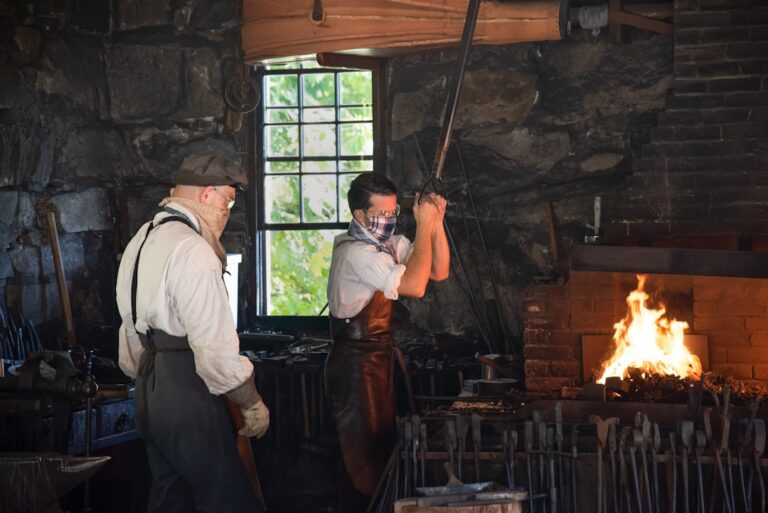
When I first embarked on my journey into blacksmithing, I was filled with excitement and anticipation. The idea of creating something tangible with my own hands was exhilarating. However, the reality of setting up my home forge quickly proved to be more challenging than I had anticipated. I faced a myriad of issues, from sourcing the right materials to understanding the intricacies of the forging process itself. My initial attempts were fraught with frustration; the forge would not heat properly, and my tools seemed inadequate for the tasks at hand. I often found myself staring at a pile of metal scraps, wondering if I had bitten off more than I could chew.
The learning curve was steep, and I quickly realized that blacksmithing was not just about swinging a hammer. It required a deep understanding of metallurgy, temperature control, and technique. I struggled to maintain consistent heat in my forge, which led to uneven results in my work. My first few projects were disheartening; I would spend hours laboring over a piece only to have it crack or warp under the heat. Each failure felt like a personal defeat, and I began to question whether I was cut out for this craft. The initial excitement began to wane as I grappled with the reality of my limitations and the complexities of blacksmithing.
If you’re interested in the challenges and triumphs of setting up a home forge, you might find the article “Mastering the Art of Blacksmithing with a Propane Forge” particularly insightful. It delves into the intricacies of using a propane forge, offering tips and techniques that can help enhance your blacksmithing skills. You can read it here: Mastering the Art of Blacksmithing with a Propane Forge.
Key Takeaways
- Initial difficulties with the home forge prompted a search for better methods and tools.
- Inspiration and motivation played a crucial role in overcoming early obstacles.
- A key breakthrough significantly improved the functionality of the home forge.
- Persistent challenges were met with resilience, leading to valuable lessons and practical tips.
- The home forge underwent a remarkable transformation, setting a positive outlook for its future.
Seeking Solutions and Alternatives
Determined not to let my struggles define my experience, I began to seek solutions and alternatives to improve my home forge setup. I turned to online forums and social media groups dedicated to blacksmithing, where seasoned smiths shared their insights and experiences. I discovered a wealth of information about different types of forges, fuels, and techniques that could help me overcome the obstacles I faced. It was enlightening to connect with others who had walked a similar path and had valuable advice to offer.
In addition to online resources, I sought out local workshops and classes where I could learn from experienced blacksmiths in person. These hands-on experiences were invaluable; they allowed me to see the techniques in action and ask questions in real-time. I learned about the importance of proper ventilation, the right type of coal or propane for my forge, and how to maintain an even temperature throughout the forging process. Armed with this newfound knowledge, I felt a renewed sense of hope and determination to tackle the challenges that had previously stymied me.
Finding Inspiration and Motivation
As I delved deeper into the world of blacksmithing, I found inspiration in unexpected places. I began to explore the rich history of the craft, learning about legendary blacksmiths who had shaped the industry over centuries. Their stories of perseverance and creativity ignited a spark within me. I realized that every master smith had faced their own struggles and setbacks, yet they persevered through sheer passion and dedication. This realization fueled my motivation to push through my own difficulties.
I also sought inspiration from nature and everyday life. Observing the beauty in simple objects around me—like the intricate patterns on leaves or the strength of a well-crafted tool—reminded me of why I had chosen this path in the first place. I started sketching designs for new projects, allowing my imagination to run wild. Each sketch became a source of motivation, a reminder that every piece I created could tell a story or serve a purpose. This creative outlet helped me reconnect with my passion for blacksmithing and reignited my desire to succeed.
The Breakthrough that Saved My Home Forge
After months of trial and error, I finally experienced a breakthrough that transformed my home forge experience.
It came unexpectedly during one of my practice sessions when I decided to experiment with a different type of fuel—charcoal instead of propane.
The moment I lit the forge, I could feel the heat radiating more evenly than ever before. As I worked the metal, it responded beautifully to my hammer strikes, allowing me to shape it with precision. This moment was nothing short of magical; it felt as if all my previous struggles had led me to this point.
With this newfound success, I began to explore more advanced techniques and projects. The confidence I gained from that breakthrough propelled me forward, encouraging me to tackle more complex designs. I started creating functional pieces like hooks and tools, as well as artistic sculptures that reflected my personal style. Each successful project reinforced my belief in my abilities and reminded me that perseverance pays off. My home forge was no longer a source of frustration; it had become a sanctuary where creativity flourished.
If you’re interested in the challenges and triumphs of setting up a home forge, you might find inspiration in a related article that discusses various DIY blacksmithing techniques and crafting at home. This resource offers valuable insights that can help you overcome obstacles and enhance your skills. You can read more about it in this informative article, which complements the journey shared in “I Nearly Gave Up on My Home Forge—Then This Worked.”
Overcoming Challenges and Setbacks
Despite my progress, challenges continued to arise as I honed my skills in blacksmithing. There were days when the forge would misbehave or when I would struggle with a particular technique. Each setback felt disheartening, but I learned to view them as opportunities for growth rather than failures. Embracing this mindset allowed me to approach each challenge with curiosity rather than fear.
One significant setback occurred when I attempted to create a more intricate piece—a decorative sword hilt. After hours of meticulous work, I accidentally dropped it while transferring it from the anvil to the quenching bucket. The sound of metal clattering against concrete was gut-wrenching; it felt like all my hard work had been undone in an instant. However, instead of succumbing to frustration, I took a step back and assessed what went wrong. This experience taught me the importance of patience and careful handling during the forging process. It also reminded me that setbacks are an inherent part of any creative journey.
In the journey of mastering blacksmithing, many enthusiasts face challenges that can be discouraging. I Nearly Gave Up on My Home Forge—Then This Worked highlights the perseverance required to overcome these obstacles. For those looking to deepen their understanding of the craft, exploring the intricacies of various techniques can be incredibly beneficial. A related article that delves into this topic is The Art of Metal Blacksmithing Techniques, which offers valuable insights and practical advice that can reignite your passion for forging.
Lessons Learned and Tips for Success
Through my experiences in blacksmithing, I’ve gleaned several valuable lessons that have shaped my approach to both the craft and life in general. One of the most important lessons is the significance of patience. Mastery does not come overnight; it requires time, practice, and an openness to learning from mistakes. I’ve learned to embrace each failure as a stepping stone toward improvement rather than a reason to give up.
Another crucial lesson is the value of community support. Connecting with fellow blacksmiths has been instrumental in my growth as a craftsman. Sharing experiences, tips, and encouragement has fostered a sense of camaraderie that makes the journey more enjoyable. For anyone starting out in blacksmithing or any other craft, I highly recommend seeking out local groups or online communities where you can share your journey and learn from others.
The Transformation of My Home Forge
Over time, my home forge has undergone a remarkable transformation—both physically and emotionally. What once felt like a chaotic space filled with frustration has evolved into an organized workshop brimming with creativity and inspiration. I’ve invested time in optimizing my setup: arranging tools for easy access, improving ventilation for safety, and creating designated areas for different types of projects.
The emotional transformation has been equally profound. My home forge is no longer just a place where I work; it has become a sanctuary where I can express myself freely through metalwork.
Each piece I create carries a part of my journey—the struggles I’ve faced, the lessons I’ve learned, and the joy I’ve found in crafting something beautiful from raw materials.
This transformation has deepened my connection to blacksmithing and solidified my commitment to continue honing my skills.
The Future of My Home Forge
Looking ahead, I’m filled with excitement about the future of my home forge. With each new project, I’m eager to push the boundaries of my creativity and explore new techniques that challenge me as a blacksmith. I’ve set ambitious goals for myself—experimenting with different materials, incorporating mixed media into my work, and even considering teaching workshops for aspiring smiths who are just starting their journeys.
I envision my home forge becoming a hub for creativity and collaboration within my community. By sharing what I’ve learned through workshops or open forge days, I hope to inspire others to embrace their own creative journeys in blacksmithing or other crafts. The challenges I’ve faced have only strengthened my resolve to succeed, and I’m excited about what lies ahead as I continue to forge not just metal but also connections with others who share this passion.
In conclusion, my journey with my home forge has been one of growth, resilience, and transformation. From initial struggles to breakthroughs and ongoing challenges, each step has shaped me into a more skilled craftsman and a more determined individual. As I look toward the future, I’m filled with hope and excitement for what lies ahead in this ever-evolving craft that has captured my heart.
FAQs
What is a home forge?
A home forge is a small-scale furnace or hearth used by hobbyists and blacksmiths to heat metal for shaping and forging. It typically uses coal, propane, or charcoal as fuel.
What are common challenges faced when using a home forge?
Common challenges include maintaining consistent heat, managing fuel efficiently, ensuring proper ventilation, and dealing with equipment malfunctions or safety concerns.
What might cause someone to nearly give up on their home forge?
Frustrations can arise from difficulty achieving the desired temperature, poor-quality materials, lack of proper tools, or repeated failures in forging projects, leading to discouragement.
What are some effective solutions to improve home forge performance?
Solutions include upgrading the burner or fuel system, improving insulation, using better quality fuel, adjusting airflow, and seeking advice from experienced blacksmiths or online communities.
Is it safe to operate a home forge indoors?
Operating a home forge indoors can be dangerous due to fire hazards and toxic fumes. Proper ventilation, fireproof surroundings, and safety equipment are essential if used indoors, but outdoor use is generally recommended.