
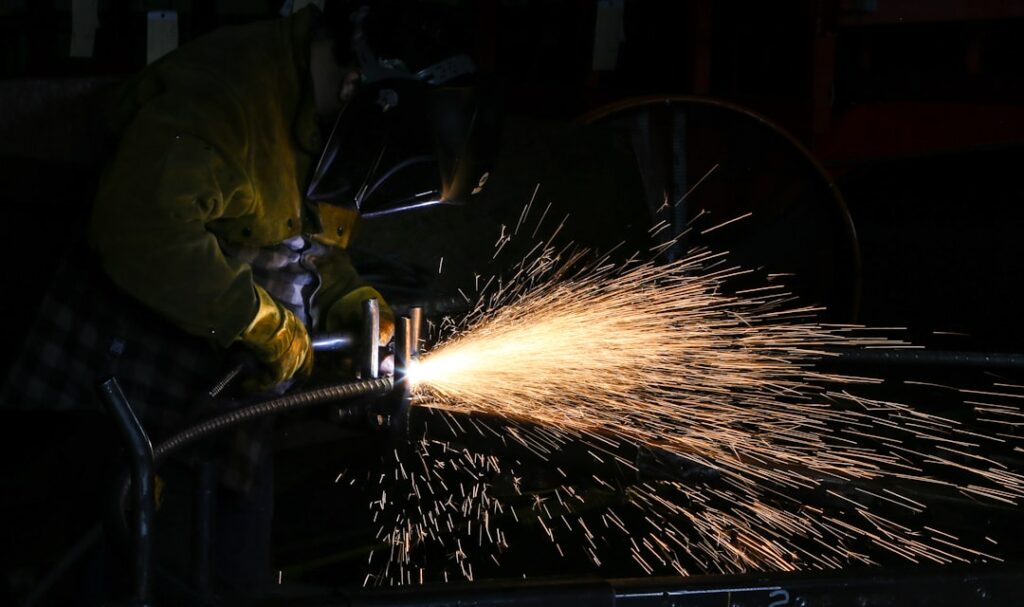
Blacksmithing is an ancient craft that has captivated artisans and tradespeople for centuries. As we delve into this fascinating world, we find ourselves exploring the transformative power of metal, shaped by the heat of the forge and the strength of the human hand. The rhythmic sound of hammer striking anvil resonates through time, echoing the dedication and skill that blacksmiths have poured into their work.
This age-old practice not only serves practical purposes but also embodies a rich tapestry of artistry and tradition, making it a unique blend of utility and creativity. In our exploration of blacksmithing, we uncover its significance in various cultures and its evolution over the years. From crafting tools and weapons in ancient civilizations to creating intricate decorative pieces in modern times, blacksmithing has adapted to meet the needs of society while retaining its core principles.
As we embark on this journey, we will examine the history, techniques, tools, and artistry that define blacksmithing, revealing how this craft continues to thrive in contemporary settings.
Key Takeaways
- Blacksmithing is the art of shaping and manipulating metal using heat and tools.
- The history of blacksmithing dates back to ancient times and has played a crucial role in the development of civilizations.
- Essential tools for blacksmithing include a forge, anvil, hammer, tongs, and various other specialized equipment.
- Basic blacksmithing techniques include forging, shaping, and joining metal, while advanced techniques involve intricate designs and complex metalworking processes.
- Metalworking and heat treatment are important aspects of blacksmithing, as they determine the strength and durability of the finished products.
History of Blacksmithing
The Emergence of Bronze Metallurgy
As we look back at ancient Mesopotamia, we see the emergence of bronze metallurgy, which marked a significant turning point in human development. The ability to create stronger tools and allowed for advancements in agriculture, warfare, and craftsmanship, laying the groundwork for future innovations.
The Rise of Ironworking
As we move through history, we witness the rise of ironworking during the Iron Age, which further revolutionized blacksmithing. The introduction of iron brought about a new era of strength and durability in tools and weapons.
The craft spread across continents, with each culture adding its unique flair and techniques. From the intricate designs of Japanese swordsmiths to the robust tools forged by European blacksmiths, we see how this craft has been shaped by geography and tradition.
Tools and Equipment for Blacksmithing

To embark on our blacksmithing journey, we must familiarize ourselves with the essential tools and equipment that define this craft. At the heart of every blacksmith’s workshop lies the forge, where metal is heated to a malleable state. Traditional forges are fueled by coal or charcoal, while modern versions may utilize gas or electric heating elements.
The choice of forge can significantly impact our work, influencing both the heating process and the overall efficiency of our projects. Alongside the forge, we find the anvil, a sturdy block of metal that serves as a surface for shaping heated metal. The anvil’s design varies, but its primary function remains constant: to provide a solid foundation for hammering and forming metal into desired shapes.
In addition to these two fundamental tools, we also require a variety of hammers, tongs, chisels, and other hand tools that allow us to manipulate metal with precision. Each tool has its specific purpose, and mastering their use is essential for any aspiring blacksmith.
Basic Blacksmithing Techniques
| Technique | Description |
|---|---|
| Forging | The process of shaping metal using heat and force. |
| Annealing | Heating and then cooling metal to make it more workable. |
| Quenching | Rapidly cooling hot metal to increase its hardness. |
| Tempering | Heating and then cooling metal to reduce its hardness and brittleness. |
| Welding | Joining two pieces of metal together using heat and/or pressure. |
As we begin to explore basic blacksmithing techniques, we quickly realize that this craft is built upon foundational skills that require practice and patience. One of the first techniques we encounter is drawing out, which involves elongating a piece of metal by hammering it while it is heated. This technique is fundamental for creating tools like hooks or handles and serves as a stepping stone to more complex forms.
Another essential technique is bending, which allows us to create curves and angles in our metalwork. By heating the metal and applying controlled pressure with our hammers or tongs, we can achieve various shapes that enhance both functionality and aesthetics. Additionally, we learn about upsetting, a technique used to increase the thickness of a metal piece by hammering it down on itself.
These basic techniques form the backbone of our blacksmithing repertoire, enabling us to tackle increasingly intricate projects as our skills develop.
Advanced Blacksmithing Techniques
As we progress in our blacksmithing journey, we find ourselves eager to explore advanced techniques that push the boundaries of our creativity and skill. One such technique is forge welding, which involves joining two pieces of heated metal together by hammering them until they fuse. This method requires precision and timing, as we must ensure that both pieces reach the appropriate temperature before attempting to weld them.
Mastering forge welding opens up a world of possibilities for creating complex structures and designs. Another advanced technique we encounter is pattern welding, which involves layering different types of steel to create unique patterns within the finished piece. This technique not only enhances the visual appeal of our work but also combines the properties of various metals to achieve desired characteristics in strength and flexibility.
As we delve deeper into these advanced techniques, we begin to appreciate the artistry involved in blacksmithing—transforming raw materials into stunning works that reflect our individual styles and visions.
Metalworking and Heat Treatment
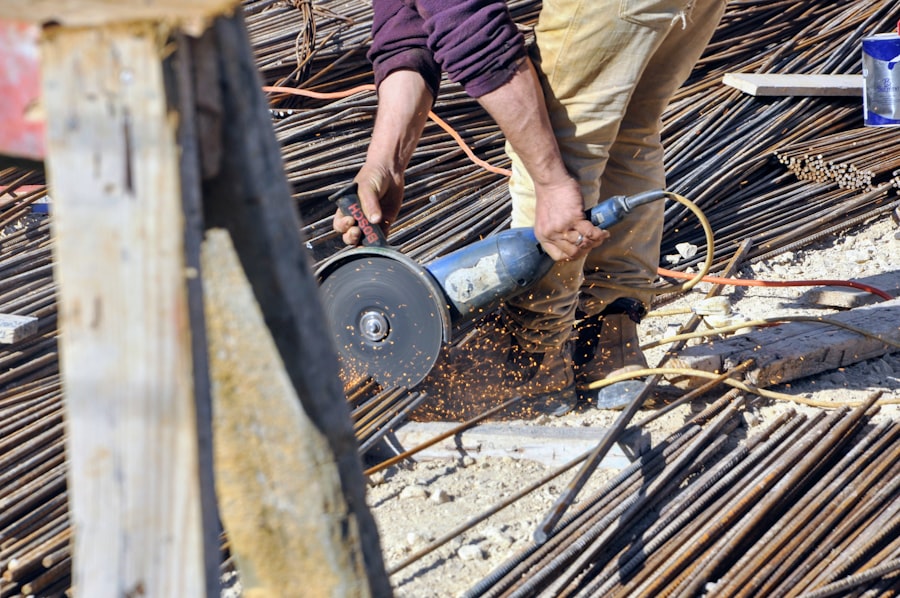
Understanding metalworking and heat treatment is crucial for any blacksmith seeking to elevate their craft. The properties of different metals can vary significantly based on their composition and treatment methods. As we learn about various alloys and their characteristics, we gain insight into how to select the right materials for our projects.
For instance, high-carbon steel is often favored for tools due to its hardness when properly treated. Heat treatment plays a vital role in enhancing the performance of our forged pieces. Techniques such as annealing, quenching, and tempering allow us to manipulate the hardness and flexibility of metals according to our needs.
By heating metal to specific temperatures and then cooling it rapidly or slowly, we can achieve desired properties that enhance durability and functionality. This knowledge empowers us to create tools that not only look beautiful but also perform exceptionally well in their intended applications.
Design and Artistry in Blacksmithing
As we delve deeper into blacksmithing, we begin to appreciate the intricate relationship between design and artistry within this craft. While functionality remains paramount, there is an undeniable beauty in well-crafted pieces that reflect our personal style and creativity. We find ourselves inspired by nature, architecture, and cultural motifs as we conceptualize our designs.
Incorporating artistic elements into our work can elevate simple functional items into stunning pieces of art. Techniques such as scrollwork, engraving, and decorative forging allow us to add intricate details that capture attention and evoke emotion. As we experiment with different styles and approaches, we discover that blacksmithing is not just about shaping metal; it is about expressing ourselves through our creations.
Modern Applications of Blacksmithing
In today’s world, blacksmithing continues to thrive as both a traditional craft and a modern art form. While many may associate blacksmiths with historical practices or rustic tools, contemporary artisans are pushing boundaries by integrating technology with traditional methods. We see blacksmiths creating everything from custom knives and jewelry to architectural elements and sculptures that adorn public spaces.
Moreover, there is a growing appreciation for handmade items in an age dominated by mass production. Many people seek out unique pieces that tell a story or carry a personal touch—qualities inherent in handcrafted blacksmithing work. As we embrace this modern renaissance of blacksmithing, we find ourselves part of a community that values craftsmanship, creativity, and sustainability.
In conclusion, our journey through the world of blacksmithing reveals a rich history intertwined with artistry and innovation. From understanding basic techniques to exploring advanced methods and modern applications, we have come to appreciate this timeless craft’s depth and complexity. As we continue honing our skills and pushing creative boundaries, we contribute to a legacy that honors tradition while embracing the future—a testament to the enduring spirit of blacksmithing.
If you are interested in learning more about blacksmithing and working with metal, be sure to check out the article on { lazyloadBackgroundObserver.observe( lazyloadBackground ); } ); }; const events = [ 'DOMContentLoaded', 'elementor/lazyload/observe', ]; events.forEach( ( event ) => { document.addEventListener( event, lazyloadRunObserver ); } );