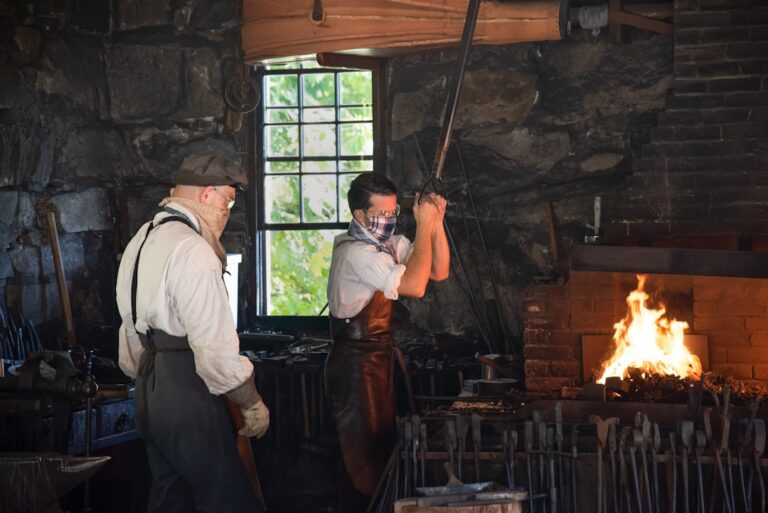
In recent years, the art of blacksmithing has experienced a resurgence, captivating the hearts and minds of many who seek to create functional and artistic metalwork. As we delve into the world of DIY blacksmithing, we find ourselves drawn to the allure of transforming raw materials into beautiful, handcrafted items. This ancient craft, once reserved for skilled artisans, is now accessible to anyone with a passion for creativity and a willingness to learn.
The satisfaction derived from forging metal with our own hands is unparalleled, and it invites us to explore our artistic potential while honing practical skills. Blacksmithing is not merely about shaping metal; it is a journey that connects us to history and tradition. As we immerse ourselves in this craft, we discover the techniques and tools that have been passed down through generations.
The rhythmic sound of hammer striking anvil resonates with the spirit of craftsmanship, reminding us of the dedication and skill required to master this art form. Whether we are interested in creating functional tools, decorative pieces, or unique gifts, blacksmithing offers endless possibilities for self-expression and creativity.
Key Takeaways
- DIY blacksmithing is a rewarding and practical hobby that can be done at home with the right tools and materials.
- Essential tools and materials for home blacksmithing include a forge, anvil, hammer, tongs, and safety equipment such as gloves and goggles.
- Safety precautions for blacksmithing at home include wearing protective gear, working in a well-ventilated area, and being mindful of fire hazards.
- Basic blacksmithing techniques for beginners include heating, shaping, and cooling metal, as well as using different types of hammers and anvils.
- Creating simple blacksmithing projects at home can include making hooks, knives, and decorative items using basic forging techniques.
Essential Tools and Materials for Home Blacksmithing
To embark on our blacksmithing journey, we must first gather the essential tools and materials that will enable us to forge our creations. At the heart of our setup is the forge itself, which serves as the source of heat needed to soften metal for shaping. We can choose between a coal forge, gas forge, or even a propane torch for smaller projects.
Each option has its advantages, and our choice will depend on our budget, available space, and personal preferences. In addition to the forge, we will need an anvil—a sturdy surface that allows us to shape hot metal effectively. Anvils come in various sizes and shapes, but a solid piece weighing at least 100 pounds is ideal for beginners.
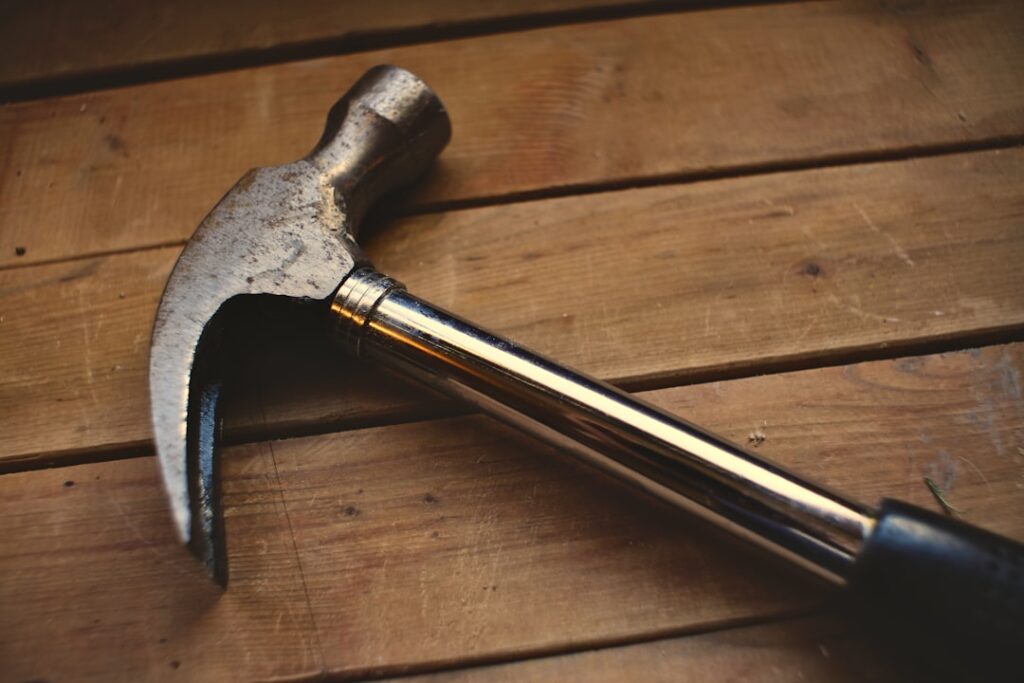
Alongside these primary tools, we should also invest in a good set of hammers, tongs, and chisels. Hammers come in different weights and styles, each serving a specific purpose in the forging process. Tongs are essential for gripping hot metal safely, while chisels help us create intricate designs and details in our work.
Finally, we must not forget about safety gear, including gloves, goggles, and an apron to protect ourselves from sparks and heat.
Safety Precautions for Blacksmithing at Home
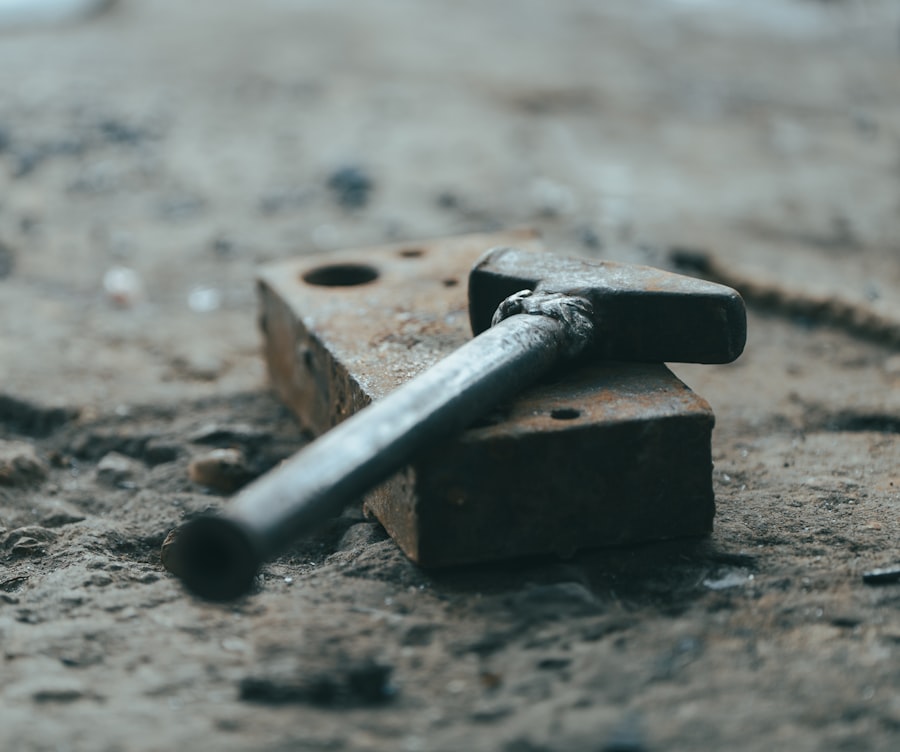
As we embark on our blacksmithing adventure, safety must be our top priority. Working with hot metal and heavy tools presents inherent risks, so it is crucial that we take appropriate precautions to protect ourselves and our workspace. First and foremost, we should always wear protective gear.
This includes safety goggles to shield our eyes from flying sparks and debris, heat-resistant gloves to protect our hands from burns, and sturdy footwear to safeguard our feet from falling objects. Moreover, we should ensure that our workspace is well-ventilated. Fumes generated during the forging process can be harmful if inhaled in large quantities.
Additionally, we must keep a fire extinguisher nearby in case of emergencies. It is also wise to familiarize ourselves with basic first aid procedures in case of minor injuries. By taking these precautions seriously, we can create a safe environment that allows us to focus on honing our blacksmithing skills without unnecessary worry.
Basic Blacksmithing Techniques for Beginners
| Technique | Description |
|---|---|
| Drawing Out | Lengthening and thinning the metal by hammering on the anvil |
| Upsetting | Creating a thicker section in the metal by hammering the end |
| Twisting | Rotating the metal to create a spiral or helical shape |
| Bending | Using a bending fork or hammer to shape the metal |
| Punching | Creating holes in the metal using a punch and hammer |
As we begin to explore the fundamental techniques of blacksmithing, we quickly realize that mastering these skills is essential for creating quality work. One of the first techniques we should learn is drawing out, which involves elongating a piece of metal by hammering it while it is heated. This technique allows us to create longer shapes or taper ends for hooks or other items.
We can practice drawing out by starting with a small piece of metal and gradually working it into a desired shape. Another important technique is bending, which enables us to create curves and angles in our work. By heating the metal until it reaches a malleable state, we can use our tongs to bend it into various shapes.
This technique is particularly useful when crafting items like hooks or decorative elements. Additionally, we should familiarize ourselves with the process of upsetting, which involves thickening a section of metal by hammering it down on itself. Upsetting is often used to create rivets or decorative features on our projects.
Creating Simple Blacksmithing Projects at Home
Once we have grasped the basic techniques of blacksmithing, we can begin creating simple projects that will help us build confidence and skill. One excellent starting point is crafting a simple hook. This project allows us to practice drawing out and bending techniques while producing a functional item that can be used around the house.
We can start with a straight piece of metal, heat it in the forge, and then draw it out before bending one end into a hook shape. Another beginner-friendly project is making a decorative bottle opener. This project combines both functionality and creativity, allowing us to experiment with different shapes and designs while honing our skills.
We can start with a flat piece of metal, heat it up, and then use our hammer to create curves and indentations that will form the bottle opener’s handle and prong. As we complete these projects, we will gain valuable experience that will serve as a foundation for more complex creations in the future.
Advanced Blacksmithing Techniques and Projects
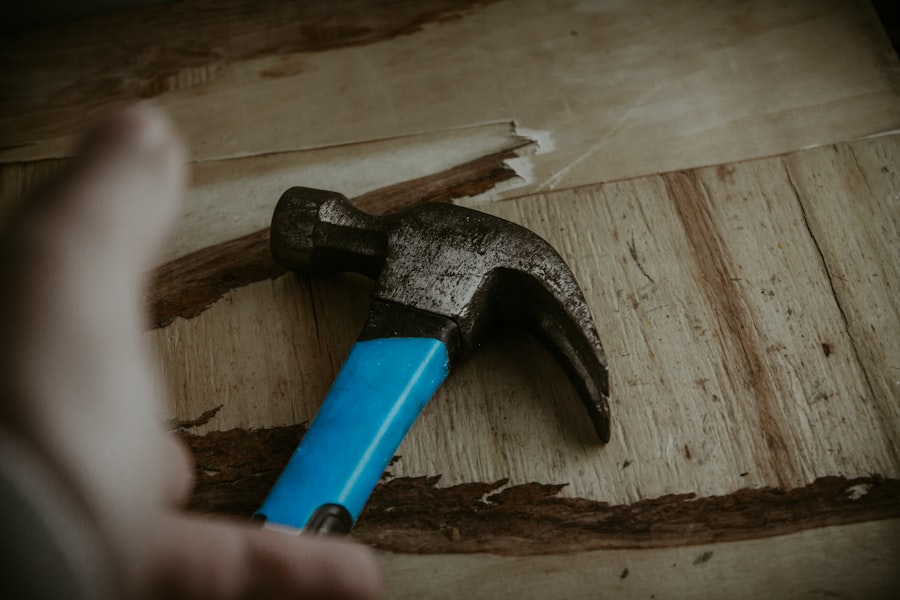
As we become more comfortable with basic techniques, we may feel inspired to tackle more advanced projects that challenge our skills and creativity. One such technique is forging Damascus steel—a method that involves layering different types of steel together and then folding them multiple times to create intricate patterns. This technique not only produces stunning visual effects but also results in exceptionally strong blades or tools.
Another advanced project could be crafting a knife or sword. This endeavor requires precision and attention to detail as we shape the blade and handle while ensuring proper balance and functionality. We can experiment with different blade shapes and styles while incorporating decorative elements like file work or engraving.
As we take on these more complex projects, we will deepen our understanding of metallurgy and refine our blacksmithing skills.
Tips for Setting Up a Home Blacksmithing Workspace
Creating an efficient home blacksmithing workspace is essential for maximizing our productivity and ensuring safety during our projects. First, we should choose an appropriate location—ideally outdoors or in a well-ventilated garage where fumes can dissipate easily. We must also ensure that there is enough space for our forge, anvil, and tools while allowing room for movement as we work.
Organizing our tools and materials is equally important. We can invest in storage solutions like toolboxes or pegboards to keep everything easily accessible while maintaining a clutter-free workspace. Additionally, having a designated area for cooling hot metal—such as a quenching bucket filled with water—will streamline our workflow and enhance safety.
By thoughtfully setting up our workspace, we can create an environment that fosters creativity and efficiency.
Resources for Learning and Improving Blacksmithing Skills at Home
As we continue on our blacksmithing journey, it is essential to seek out resources that will help us learn new techniques and improve our skills. Online platforms offer a wealth of information through video tutorials, forums, and blogs dedicated to blacksmithing enthusiasts. Websites like YouTube feature countless instructional videos from experienced blacksmiths who share their knowledge on various techniques and projects.
In addition to online resources, books on blacksmithing can provide valuable insights into the craft’s history, techniques, and best practices. Joining local blacksmithing clubs or attending workshops can also be incredibly beneficial as they offer hands-on experience and opportunities to connect with fellow enthusiasts who share our passion for this ancient art form. By actively seeking out these resources, we can continue to grow as blacksmiths while enjoying the camaraderie of others who share our interests.
In conclusion, DIY blacksmithing opens up a world of creativity and craftsmanship that allows us to connect with history while honing practical skills. By gathering essential tools and materials, prioritizing safety precautions, mastering basic techniques, and exploring advanced projects, we can embark on an enriching journey filled with endless possibilities for self-expression. With dedication and practice, we can transform raw metal into beautiful works of art that reflect our unique vision as blacksmiths.
If you are interested in blacksmithing at home, you may want to check out Far Hills Forge’s website here. They offer a variety of resources and information on the art of blacksmithing. One article that may be of interest is their post titled “Hello World” which can be found here. This article may provide valuable insights and tips for beginners looking to start blacksmithing at home.