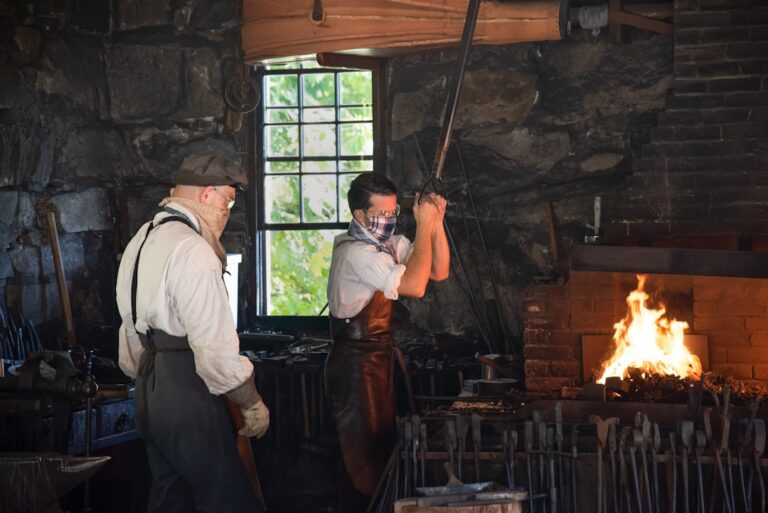
When we delve into the world of metalworking, one of the most essential tools we encounter is the propane gas forge. This device serves as a furnace that utilizes propane gas to generate the high temperatures necessary for forging metals. Unlike traditional coal forges, which can be cumbersome and require constant attention, propane forges offer a cleaner and more efficient alternative.
The ability to control the temperature with precision allows us to work with a variety of metals, from mild steel to more exotic alloys, making it an invaluable asset in our metalworking endeavors. The design of a propane gas forge typically includes an insulated chamber that retains heat effectively, allowing us to reach temperatures upwards of 2,000 degrees Fahrenheit. This high heat is crucial for processes such as bending, shaping, and welding metals.
Additionally, many propane forges come equipped with adjustable burners that enable us to fine-tune the flame intensity, ensuring that we can achieve the desired results for our specific projects. Understanding how our forge operates and the principles behind its functionality is the first step toward mastering metalworking techniques.
Key Takeaways
- Propane gas forges are used for heating and shaping metal, and are fueled by propane gas.
- When choosing materials for metalwork, it’s important to consider the type of metal, its thickness, and the specific project requirements.
- Safety precautions when using a propane gas forge include wearing protective gear, ensuring proper ventilation, and being mindful of fire hazards.
- Basic metalworking techniques for propane gas forges include heating, bending, twisting, and cutting metal.
- Advanced metalworking techniques for propane gas forges include welding, forging, and creating intricate designs.
Choosing the Right Materials for Metalwork
Common Materials and Their Characteristics
Common materials include mild steel, which is favored for its malleability and affordability, making it an excellent choice for beginners.
Selecting the Right Material for the Job
On the other hand, we might opt for tool steels or stainless steel when we require enhanced durability or corrosion resistance in our projects. In addition to the type of metal, we must also consider the thickness and form of the material. For instance, sheet metal can be ideal for creating intricate designs, while thicker bars are better suited for structural components.
Mastering Metalworking Techniques
As we gain experience, we will learn to appreciate the unique characteristics of various metals and how they respond to heat and manipulation. This knowledge will empower us to make informed decisions that align with our creative vision and project requirements.
Safety Precautions when Using a Propane Gas Forge

Safety should always be our top priority when working with a propane gas forge. The high temperatures involved in metalworking pose significant risks, including burns and fire hazards. To mitigate these dangers, we must equip ourselves with appropriate personal protective equipment (PPE).
This includes heat-resistant gloves, safety goggles, and long-sleeved clothing to shield our skin from sparks and hot materials. Additionally, we should ensure that our workspace is well-ventilated to prevent the accumulation of harmful gases. Another critical aspect of safety is understanding how to handle propane gas properly.
We must familiarize ourselves with the characteristics of propane and its potential hazards. Regularly inspecting our gas lines and connections for leaks is essential, as even a small leak can lead to dangerous situations. Furthermore, having a fire extinguisher nearby and knowing how to use it can provide peace of mind as we work.
By adhering to these safety precautions, we can create a secure environment that allows us to focus on honing our metalworking skills.
Mastering Basic Metalworking Techniques
| Technique | Description |
|---|---|
| Measuring | Accurately measuring materials and dimensions using tools such as rulers, calipers, and micrometers. |
| Cutting | Using tools like saws, shears, and plasma cutters to cut metal into desired shapes and sizes. |
| Drilling | Creating holes in metal using drill presses, hand drills, or other specialized drilling equipment. |
| Welding | Joining metal pieces together using techniques such as MIG welding, TIG welding, or stick welding. |
| Grinding | Smoothing and shaping metal surfaces using grinders and abrasive wheels. |
Once we have established a safe working environment and chosen our materials wisely, we can begin to master basic metalworking techniques. One of the fundamental skills we need to develop is heating metal to the appropriate temperature for forging. This process involves placing our workpiece inside the forge until it reaches a glowing red state, indicating that it is malleable enough for shaping.
We must learn to recognize this color change, as it varies depending on the type of metal we are using. After achieving the desired temperature, we can employ various techniques such as hammering, bending, and twisting to manipulate the metal into our desired form. Hammering is particularly effective for shaping and flattening metal, while bending requires careful control to avoid cracking or breaking the material.
As we practice these techniques, we will begin to develop a feel for the metal and how it responds to our actions. This hands-on experience is invaluable in building our confidence and skill set as metalworkers.
Advanced Metalworking Techniques for Propane Gas Forges
As we become more comfortable with basic techniques, we can explore advanced metalworking methods that will elevate our craftsmanship. One such technique is heat treating, which involves heating and cooling metals in specific ways to enhance their properties. For example, quenching hot steel in oil or water can increase its hardness, while tempering it afterward can relieve internal stresses and improve toughness.
Another advanced technique worth exploring is pattern welding, which involves layering different types of steel together and then forging them into a single piece. This method creates stunning visual effects and can result in blades with unique properties.
As we experiment with these advanced techniques, we will discover new possibilities for creativity and innovation in our metalwork projects. The journey from basic to advanced skills is both challenging and rewarding, pushing us to expand our knowledge and capabilities.
Maintaining and Caring for Your Propane Gas Forge

Cleaning the Forge Chamber
After each use, we should remove any scale or debris that may have accumulated inside the forge chamber. This not only helps maintain efficient heating but also prevents contamination of future projects.
Inspecting Burners and Propane Supply System
Checking the burners for blockages or wear will ensure that they function correctly and provide consistent heat. We should also pay attention to the propane supply system. Inspecting hoses and connections regularly for leaks or damage is vital in preventing accidents.
Maintaining Safety Standards
If we notice any signs of wear or deterioration, replacing these components promptly will help maintain safety standards. By establishing a routine maintenance schedule, we can keep our forge in excellent condition and ready for use whenever inspiration strikes.
Troubleshooting Common Issues with Propane Gas Forges
Even with proper care and maintenance, we may encounter common issues while using our propane gas forge. One frequent problem is inconsistent heating, which can lead to uneven results in our metalwork. If we notice that certain areas of our workpiece are not reaching the desired temperature, it may be due to burner blockages or improper airflow within the forge chamber.
Addressing these issues promptly will help restore even heating and improve our overall results. Another common challenge is managing fuel consumption effectively. If we find ourselves running out of propane more quickly than expected, it may be worth evaluating our usage habits or checking for leaks in the system.
By being mindful of how we operate our forge and making necessary adjustments, we can optimize fuel efficiency while still achieving excellent results in our projects.
Creating Unique Metalwork Projects with a Propane Gas Forge
With a solid understanding of our propane gas forge and mastery over various techniques, we can embark on creating unique metalwork projects that reflect our personal style and creativity. From decorative items like sculptures and jewelry to functional pieces such as tools or hardware, the possibilities are virtually limitless.
As we develop our portfolio of work, we may also find inspiration from other artisans or historical techniques that resonate with us. Collaborating with fellow metalworkers or participating in workshops can further enhance our skills and broaden our perspectives on what is possible with a propane gas forge. Ultimately, each piece we create becomes a testament to our journey as metalworkers—an expression of creativity forged through passion and dedication.
In conclusion, mastering the art of metalworking with a propane gas forge requires a blend of knowledge, skill, and creativity. By understanding how our forge operates, choosing the right materials, prioritizing safety, mastering techniques, maintaining equipment, troubleshooting issues, and exploring unique projects, we can embark on a fulfilling journey in this captivating craft. As we continue to learn and grow in our abilities, each creation will serve as a reflection of our dedication to this timeless art form.
If you are interested in learning more about propane gas forges, you should check out the article on Far Hills Forge. This website offers a wealth of information on blacksmithing and metalworking, including tips on how to build and use a propane gas forge. Whether you are a beginner or an experienced blacksmith, Far Hills Forge has something for everyone.