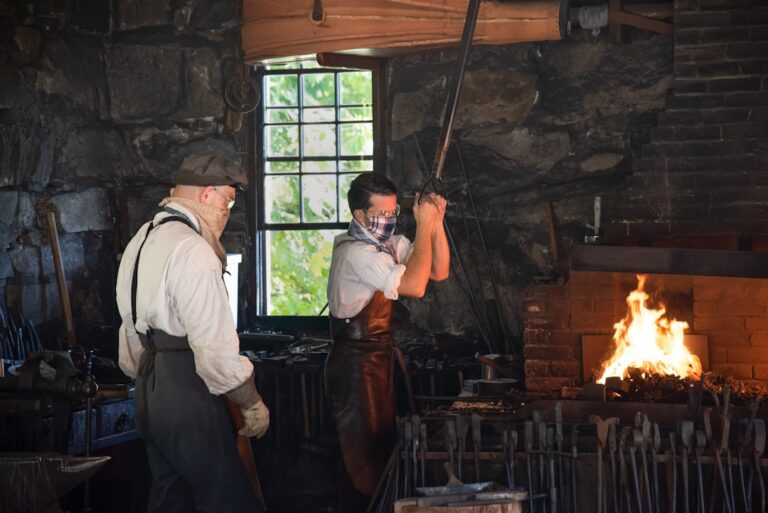
As I delve into the world of blacksmithing, I often find myself grappling with the weight of traditional techniques that have been passed down through generations. The art of blacksmithing, once a revered craft, has seen a decline in interest and practice, leading to a sense of burnout among those who strive to uphold its legacy. The repetitive nature of hammering metal, while meditative, can also become monotonous. I’ve experienced moments where the joy of creation is overshadowed by the pressure to conform to established methods and expectations. This burnout is not just a personal struggle; it reflects a broader trend in the craft community where the allure of innovation often clashes with the rigidity of tradition.
In my journey, I’ve encountered fellow blacksmiths who share this sentiment. They express frustration over the constraints imposed by traditional techniques, feeling as though they are merely replicating what has already been done rather than exploring new possibilities. The fear of deviating from established norms can stifle creativity and lead to a sense of disillusionment. I’ve found that acknowledging this burnout is the first step toward revitalizing my passion for blacksmithing. By recognizing the limitations of traditional methods, I can begin to explore new avenues that breathe life back into my work and reignite my enthusiasm for the craft.
If you’re looking to enhance your blacksmithing skills and make the most of your experience, you might find the article on mastering metalwork with a propane gas forge particularly insightful. This resource offers valuable tips and techniques that can complement the mindset shift discussed in “This One Mindset Shift Made Blacksmithing Fun Again.” To explore this further, check out the article here: Mastering Metalwork with a Propane Gas Forge.
Key Takeaways
- Traditional blacksmithing techniques can lead to burnout without creative renewal.
- Embracing creativity and imperfections enhances the blacksmithing experience.
- Joy is found in the crafting process itself, not solely in the finished product.
- Modern technology influences and evolves traditional blacksmithing methods.
- Building community and passing on skills ensures the craft’s lasting legacy.
Discovering the Power of Creativity in Blacksmithing
In my quest to overcome burnout, I’ve discovered that creativity is a powerful antidote. Embracing the freedom to experiment has transformed my approach to blacksmithing. I’ve learned that the forge is not just a place for shaping metal but also a canvas for artistic expression. By allowing myself to think outside the box, I’ve been able to create pieces that reflect my unique vision rather than adhering strictly to traditional designs. This shift in mindset has opened up a world of possibilities, enabling me to blend techniques and materials in ways I never thought possible.
The process of infusing creativity into my work has been liberating. I’ve started to view each piece as an opportunity to tell a story or convey an emotion. Whether it’s through the choice of color, texture, or form, I find joy in the exploration of new ideas. This newfound creative freedom has not only revitalized my passion for blacksmithing but has also allowed me to connect with others who share similar aspirations. Together, we inspire one another to push boundaries and redefine what blacksmithing can be in the modern age.
Embracing the Imperfections in the Craft
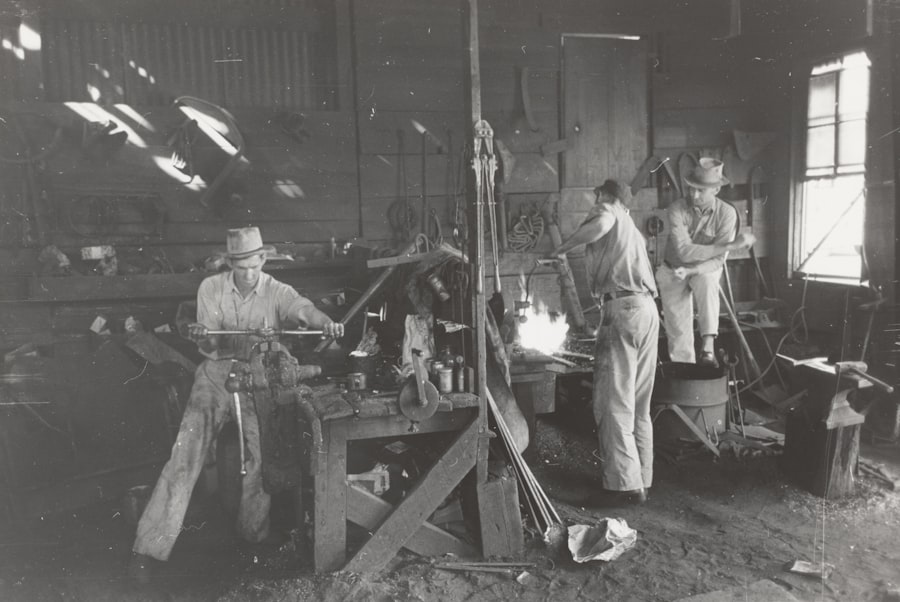
As I continue my journey in blacksmithing, I’ve come to appreciate the beauty of imperfections. In a world that often celebrates perfection, I find solace in the unique characteristics that each piece possesses. The slight irregularities in shape or texture tell a story of the forging process and serve as a reminder that nothing is truly flawless.
Embracing these imperfections has not only enhanced my work but has also fostered a deeper connection to the craft itself.
I’ve learned that it’s often the flaws that give a piece its character and charm. Each hammer strike leaves its mark, and rather than striving for uniformity, I now celebrate the individuality of each creation. This shift in perspective has allowed me to approach my work with greater authenticity and vulnerability. By accepting that imperfections are an inherent part of the process, I’ve found a sense of freedom that encourages me to take risks and explore new techniques without fear of failure.
Finding Joy in the Process, Not Just the End Product
In my early days as a blacksmith, I often focused solely on the end product—what I could create and how it would be perceived by others. However, I’ve come to realize that true fulfillment lies in the process itself. The rhythmic sound of hammer striking metal, the heat radiating from the forge, and the tactile experience of shaping raw materials have become sources of joy for me. Each moment spent at the anvil is an opportunity for mindfulness and self-discovery.
I’ve learned to appreciate the journey rather than fixating on the destination. The act of creating has become a meditative practice that allows me to connect with myself on a deeper level. Whether I’m experimenting with new techniques or revisiting old ones, I find satisfaction in every step along the way. This shift in focus has not only enriched my experience as a blacksmith but has also fostered a greater sense of gratitude for the craft itself.
In exploring the journey of rediscovering passion in traditional crafts, the article on Far Hills Forge delves into the transformative experiences that artisans encounter when they embrace new techniques and perspectives. This insightful piece complements the discussion on how a simple mindset shift can reignite the joy of blacksmithing, highlighting the importance of creativity and innovation in keeping age-old practices vibrant and enjoyable. By fostering a sense of community and encouraging experimentation, both articles emphasize the rewarding nature of pursuing one’s craft with renewed enthusiasm.
The Influence of Modern Technology on Blacksmithing
As I navigate the evolving landscape of blacksmithing, I can’t help but acknowledge the profound impact of modern technology on the craft. While traditional techniques remain invaluable, advancements in tools and materials have opened up new avenues for creativity and efficiency. For instance, CNC machines and plasma cutters have revolutionized how we approach design and fabrication, allowing for precision and complexity that were once unimaginable.
However, I’ve also found that embracing technology doesn’t mean abandoning tradition. Instead, it offers an opportunity to blend old-world craftsmanship with contemporary innovation. By incorporating modern tools into my practice, I can enhance my work while still honoring the techniques that have shaped blacksmithing for centuries. This harmonious coexistence between tradition and technology has allowed me to push boundaries and explore new dimensions within my craft.
In exploring the transformative journey of blacksmithing, one can gain deeper insights by reading about the craft’s rich history and its ancient origins. This fascinating background not only highlights the skills involved but also emphasizes the cultural significance of blacksmithing throughout the ages. For those interested in how these historical elements can enhance modern practices, the article on the ancient origins of the blacksmith provides an engaging perspective that complements the mindset shift discussed in “This One Mindset Shift Made Blacksmithing Fun Again.”
Building a Supportive Community of Blacksmiths
Throughout my journey as a blacksmith, I’ve come to realize the importance of community in fostering growth and inspiration. Connecting with fellow artisans has provided me with invaluable support and encouragement as we navigate the challenges and triumphs of our craft together. Whether through local workshops or online forums, sharing experiences and knowledge has enriched my understanding of blacksmithing and helped me overcome obstacles.
In this supportive community, I’ve found camaraderie among those who share my passion for forging metal. We celebrate each other’s successes and offer constructive feedback when needed. This sense of belonging has not only motivated me to improve my skills but has also reinforced the idea that we are all part of something larger than ourselves—a collective effort to preserve and innovate within the world of blacksmithing.
Reconnecting with the History and Tradition of Blacksmithing
As I continue to evolve as a blacksmith, I feel a deepening connection to the history and tradition that underpin this ancient craft. Understanding the roots of blacksmithing has enriched my practice and instilled a sense of reverence for those who came before me. By studying historical techniques and artifacts, I’ve gained insights into how blacksmiths adapted their methods over time in response to changing needs and technologies.
This exploration of history has inspired me to incorporate elements from different eras into my work. Whether it’s drawing inspiration from medieval weaponry or traditional decorative ironwork, I find joy in blending past influences with contemporary ideas. Reconnecting with this rich heritage not only honors those who paved the way for us but also reminds me that blacksmithing is an ever-evolving art form that thrives on innovation while respecting its roots.
The Fulfillment of Passing on the Craft to Future Generations
As I reflect on my journey as a blacksmith, one of the most fulfilling aspects has been sharing my knowledge with others. Teaching aspiring artisans not only allows me to pass on valuable skills but also fosters a sense of continuity within the craft. Witnessing their excitement as they forge their first piece brings me immense joy and reinforces my belief in the importance of mentorship.
Passing on the craft is not just about imparting technical skills; it’s about instilling a passion for creativity and self-expression. I strive to create an environment where students feel empowered to explore their own artistic voices while learning from tradition. This exchange of knowledge ensures that blacksmithing remains vibrant and relevant for future generations, allowing them to carry forward the legacy while adding their unique contributions to this timeless art form.
In conclusion, my journey through blacksmithing has been marked by challenges and triumphs alike. From grappling with burnout in traditional techniques to discovering the power of creativity and embracing imperfections, each experience has shaped my understanding of this craft. As I navigate modern influences and build connections within a supportive community, I find fulfillment not only in creating but also in passing on this rich heritage to those who will carry it into the future. Blacksmithing is more than just a skill; it’s a lifelong journey filled with discovery, connection, and endless possibilities.
FAQs
What is the main mindset shift discussed in the article “This One Mindset Shift Made Blacksmithing Fun Again”?
The article highlights a change in perspective that transformed blacksmithing from a chore into an enjoyable and fulfilling activity, focusing on embracing the learning process and valuing creativity over perfection.
How did the mindset shift impact the author’s experience with blacksmithing?
The mindset shift helped the author overcome frustration and impatience, allowing them to appreciate the craft’s challenges and progress, which ultimately made blacksmithing more enjoyable and rewarding.
Why is mindset important in learning and practicing blacksmithing?
Mindset is crucial because blacksmithing involves complex skills and trial-and-error learning; a positive and growth-oriented mindset encourages persistence, creativity, and resilience, leading to better skill development and satisfaction.
Can this mindset shift be applied to other crafts or hobbies?
Yes, adopting a mindset that values learning, experimentation, and enjoyment over immediate perfection can enhance the experience and outcomes in many crafts and hobbies beyond blacksmithing.
What practical advice does the article offer for those struggling to enjoy blacksmithing?
The article suggests focusing on the process rather than the end result, setting realistic expectations, celebrating small achievements, and viewing mistakes as opportunities to learn and improve.