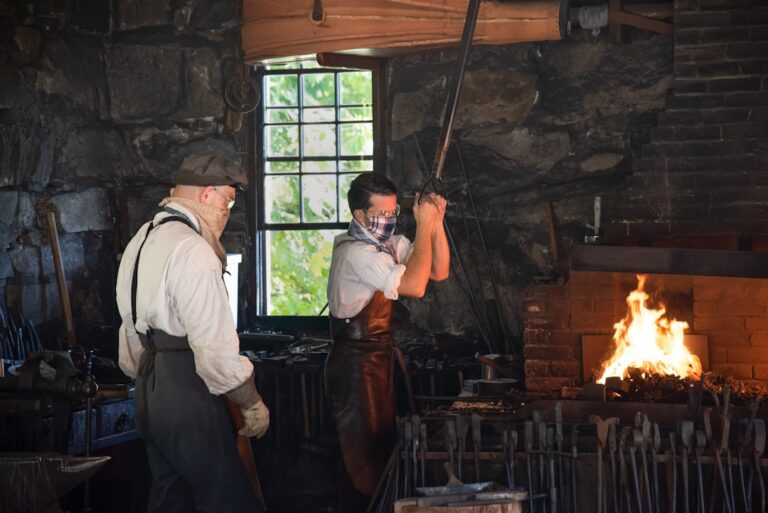
Blacksmith coal, a specialized type of fuel, has been an essential component in the art of blacksmithing for centuries. It is primarily used to heat metal to a malleable state, allowing smiths to shape and forge it into various tools, weapons, and artistic pieces. The unique properties of blacksmith coal make it particularly suitable for this purpose, as it burns at high temperatures and produces a consistent heat that is crucial for effective metalworking.
Unlike regular coal, blacksmith coal is often characterized by its low sulfur content, which helps prevent contamination of the metal being worked on. The origins of blacksmith coal can be traced back to the early days of metallurgy when artisans relied on natural resources to fuel their forges. Over time, the demand for more efficient and effective fuels led to the development of specific types of coal that catered to the needs of blacksmiths.
Today, we find ourselves in a world where blacksmith coal remains a vital resource for both traditional and modern smithing practices. Its significance extends beyond mere functionality; it embodies a rich history and a connection to the craftsmanship that has shaped our tools and culture.
Key Takeaways
- Blacksmith coal is a type of coal specifically designed for blacksmithing and metalworking.
- There are two main types of blacksmith coal: bituminous coal and anthracite coal, each with different burning properties.
- When choosing the right blacksmith coal, consider factors such as heat output, ash content, and sulfur content.
- Storing and handling blacksmith coal requires keeping it in a dry and well-ventilated area to prevent spontaneous combustion and exposure to moisture.
- Safety precautions when using blacksmith coal include wearing protective gear, using proper ventilation, and being cautious of carbon monoxide poisoning.
Types of Blacksmith Coal
When we delve into the world of blacksmith coal, we discover several types that cater to different forging needs. The most common type is bituminous coal, known for its high carbon content and excellent burning properties. This type of coal produces a hot flame and is favored by many blacksmiths for its ability to reach the necessary temperatures for forging steel.
Another type worth mentioning is anthracite coal, which is known for its high carbon content and low volatile matter. While it burns cleaner than bituminous coal, it can be more challenging to ignite and maintain at the desired temperature.
However, its efficiency and lower smoke output make it an attractive option for those who prioritize environmental considerations in their forging practices. Additionally, we may encounter coke, a byproduct of coal that has been heated in the absence of air. Coke burns hotter than traditional coal and is often used in industrial settings, but some blacksmiths also incorporate it into their forges for specific applications.
Choosing the Right Blacksmith Coal

Selecting the right type of blacksmith coal is crucial for achieving optimal results in our forging endeavors. Factors such as the type of metal we are working with, the desired temperature, and our forging techniques all play a role in this decision-making process. For instance, if we are primarily working with wrought iron or mild steel, bituminous coal may be our best bet due to its ability to produce high temperatures quickly.
On the other hand, if we are focusing on more delicate work or specific alloys, we might consider using anthracite or coke for their cleaner burn and efficiency. In addition to the type of coal, we must also consider the quality of the coal itself. High-quality blacksmith coal should be free from impurities and have a consistent size and shape. This uniformity ensures that it burns evenly and provides a steady heat source throughout our forging sessions. We can often find reputable suppliers who specialize in blacksmithing materials, allowing us to source the best coal for our needs.
Ultimately, taking the time to choose the right blacksmith coal can significantly impact our overall success and satisfaction in our metalworking projects.
Storing and Handling Blacksmith Coal
| Aspect | Recommendation |
|---|---|
| Storage | Store coal in a dry, well-ventilated area to prevent moisture buildup. |
| Handling | Use proper protective equipment such as gloves and goggles when handling coal to avoid skin irritation and eye injury. |
| Quantity | Only purchase and store the amount of coal that can be used within a reasonable timeframe to prevent waste and deterioration. |
Proper storage and handling of blacksmith coal are essential practices that can enhance our forging experience while ensuring safety and efficiency. When we acquire blacksmith coal, it is important to store it in a dry, well-ventilated area to prevent moisture absorption, which can lead to clumping and reduced burning efficiency. Ideally, we should keep the coal in airtight containers or bags that protect it from environmental elements while allowing for adequate airflow.
Handling blacksmith coal requires care and attention as well. We should always use appropriate tools when transferring or loading coal into our forge to avoid unnecessary spills or accidents. Wearing gloves can protect our hands from sharp edges or debris that may be present in the coal.
Additionally, we should be mindful of the weight of the coal bags or containers; using a cart or dolly can help us transport larger quantities safely without straining ourselves. By implementing these storage and handling practices, we can ensure that our blacksmith coal remains in optimal condition for our forging needs.
Safety Precautions when Using Blacksmith Coal
Safety should always be our top priority when working with blacksmith coal and operating a forge. The high temperatures generated during forging can pose significant risks if proper precautions are not taken. First and foremost, we must ensure that our workspace is well-ventilated to prevent the buildup of harmful gases produced during combustion.
Using exhaust fans or working outdoors can help mitigate these risks while providing us with fresh air. Additionally, wearing appropriate personal protective equipment (PPE) is essential when working with blacksmith coal. This includes heat-resistant gloves, safety goggles, and protective clothing that can shield us from sparks and hot metal splashes.
We should also keep a fire extinguisher nearby in case of emergencies and familiarize ourselves with its use. By adhering to these safety measures, we can create a secure environment that allows us to focus on our craft without unnecessary distractions or hazards.
Maintaining the Forge with Blacksmith Coal

Maintaining our forge is an integral part of ensuring its longevity and efficiency when using blacksmith coal. Regular cleaning is essential to remove ash buildup and other debris that can obstruct airflow and hinder combustion. After each forging session, we should take the time to clear out any residual ash from the firepot and surrounding areas.
This practice not only improves performance but also reduces fire hazards associated with accumulated materials. In addition to cleaning, we must also inspect our forge regularly for any signs of wear or damage. Checking for cracks or loose components can help us identify potential issues before they escalate into more significant problems.
If we notice any irregularities, addressing them promptly will ensure that our forge operates smoothly and safely. By committing to regular maintenance practices, we can extend the life of our forge while maximizing its effectiveness when working with blacksmith coal.
Environmental Impact of Blacksmith Coal
As we become more aware of environmental issues, it is essential to consider the impact of blacksmith coal on our surroundings. The burning of coal releases carbon dioxide and other pollutants into the atmosphere, contributing to climate change and air quality concerns. While blacksmithing is an age-old craft that holds cultural significance, we must also acknowledge our responsibility to minimize its environmental footprint.
One way we can address this issue is by exploring cleaner burning alternatives or sourcing our coal from suppliers who prioritize sustainable practices. Additionally, implementing energy-efficient techniques in our forging processes can help reduce overall fuel consumption. By being mindful of our choices and seeking ways to lessen our impact on the environment, we can continue to practice our craft while promoting sustainability within the blacksmithing community.
Alternatives to Blacksmith Coal
In recent years, various alternatives to traditional blacksmith coal have emerged as viable options for those looking to forge metal without relying solely on fossil fuels. One such alternative is propane gas, which burns cleanly and produces high temperatures suitable for forging applications. Propane forges are often favored for their ease of use and quick heating capabilities, making them an attractive choice for both beginners and experienced smiths alike.
Another alternative gaining popularity is electric induction heating systems. These systems utilize electromagnetic fields to heat metal directly without combustion, resulting in minimal emissions and energy waste.
As we explore these alternatives, it becomes clear that innovation within the field of blacksmithing continues to evolve alongside environmental considerations. By embracing new technologies while respecting traditional methods, we can ensure that this ancient craft remains relevant and sustainable for future generations of artisans.
If you are interested in learning more about blacksmith coal, be sure to check out the article on Far Hills Forge’s website. They offer valuable information on the different types of coal used in blacksmithing and how to choose the best one for your needs. Visit their website here to read more about blacksmith coal and other related topics.