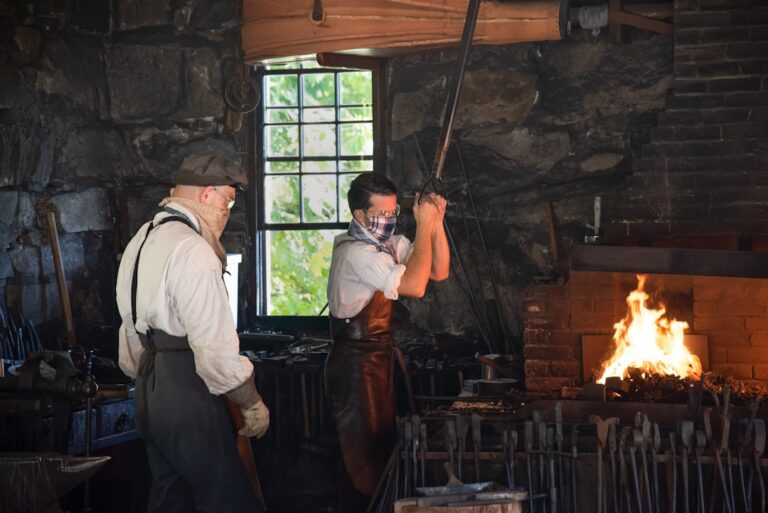
As we delve into the history of metal forging, we find ourselves transported back to ancient civilizations where the craft first took root. The earliest evidence of metalworking dates back to around 4000 BC in Mesopotamia, where artisans began to manipulate copper and bronze. These early forgers laid the groundwork for what would become a vital industry, using rudimentary tools and techniques to create weapons, tools, and decorative items.
The process was labor-intensive, relying on the strength of the human body and the heat of simple fires. As we explore this timeline, we can appreciate how these ancient practices have evolved over millennia. Moving forward through history, we witness the rise of iron forging during the Iron Age, which began around 1200 BThis period marked a significant advancement in metallurgy, as iron became the preferred material for tools and weapons due to its abundance and superior strength compared to bronze.
The techniques developed during this time laid the foundation for modern forging practices. As we reflect on these advancements, we recognize that the transition from simple hand tools to more complex machinery in the Industrial Revolution further revolutionized metal forging. The introduction of steam power and mechanized hammers allowed for greater efficiency and precision, setting the stage for contemporary methods that we utilize today.
Key Takeaways
- Metal forging has been used since ancient times and has evolved with modern techniques to become a crucial part of manufacturing and construction.
- Understanding the metal forge involves knowledge of tools, materials, and processes such as heating, shaping, and finishing.
- Metal forging plays a vital role in manufacturing and construction industries, providing strong and durable components for various applications.
- Mastering the craft of metal forging often involves training and apprenticeships to learn the skills and techniques required for this specialized trade.
- Innovations in metal forging include advanced technologies and techniques that improve efficiency and precision in the forging process, leading to custom and unique designs.
Understanding the Metal Forge: Tools, Materials, and Processes
In our exploration of metal forging, we must familiarize ourselves with the essential tools and materials that define this craft. At the heart of any forge is the furnace, which generates the intense heat necessary to soften metal for shaping. Traditional forges often used coal or charcoal as fuel, while modern forges may employ gas or electric heating elements for more controlled temperatures.
Alongside the furnace, we find an array of tools such as hammers, anvils, tongs, and chisels, each serving a specific purpose in the forging process. These tools have evolved over time, but their fundamental roles remain unchanged. The materials we work with in metal forging are equally important.
Each material presents unique challenges and requires specific techniques to manipulate effectively. Understanding the properties of these metals—such as their melting points, malleability, and tensile strength—enables us to select the right material for our projects.
The processes involved in forging can vary widely, from traditional blacksmithing techniques to modern methods like die forging and hot stamping. By mastering these processes, we can create everything from simple tools to complex components used in aerospace engineering.
The Importance of Metal Forging in Manufacturing and Construction

Metal forging plays a crucial role in both manufacturing and construction industries, providing essential components that form the backbone of countless applications. In manufacturing, forged parts are known for their strength and durability, making them ideal for high-stress environments such as automotive engines and machinery. The ability to produce components with superior mechanical properties through forging ensures that products can withstand rigorous use over time. As we consider the implications of this strength, we recognize that forged parts often lead to reduced maintenance costs and longer lifespans for machinery.
In construction, metal forging contributes significantly to structural integrity and safety. Forged steel beams and reinforcements are commonly used in buildings and bridges, providing the necessary support to withstand heavy loads and environmental stresses. The versatility of forged components allows architects and engineers to design innovative structures that push the boundaries of modern architecture.
As we reflect on these contributions, it becomes clear that metal forging is not merely a manufacturing process; it is a vital element that shapes our built environment and enhances our quality of life.
Mastering the Craft: Training and Apprenticeships in Metal Forging
| Training Program | Duration | Skills Taught |
|---|---|---|
| Apprenticeship Program | 3-4 years | Metalworking techniques, safety protocols, equipment operation |
| On-the-Job Training | Varies | Hands-on experience in metal forging, tool usage, quality control |
| Classroom Instruction | 6-12 months | Blueprint reading, metallurgy, heat treatment processes |
To truly appreciate the art of metal forging, we must acknowledge the importance of training and apprenticeships in this field. Mastering the craft requires not only technical skills but also a deep understanding of materials and processes. Many aspiring blacksmiths begin their journey through formal education programs or vocational training that focus on metallurgy, tool-making, and forging techniques.
These programs often combine classroom instruction with hands-on experience in a forge, allowing students to develop their skills under the guidance of experienced professionals. Apprenticeships also play a vital role in preserving traditional forging techniques while fostering innovation within the craft. By working alongside seasoned blacksmiths, apprentices gain invaluable insights into the nuances of metalworking that cannot be taught in a classroom setting alone.
This mentorship fosters a sense of community among craftsmen and encourages the sharing of knowledge across generations. As we consider our own journeys in this field, we recognize that continuous learning is essential; attending workshops, participating in competitions, and collaborating with fellow artisans can help us refine our skills and stay abreast of industry trends.
Innovations in Metal Forging: Advanced Technologies and Techniques
As we navigate through the landscape of metal forging today, it is impossible to overlook the impact of technological advancements on this age-old craft. Innovations such as computer numerical control (CNC) machining have revolutionized how we approach forging processes. CNC technology allows for precise control over machinery, enabling us to create intricate designs with unparalleled accuracy.
This level of precision not only enhances efficiency but also opens up new possibilities for complex geometries that were once deemed impossible. Additionally, advancements in materials science have led to the development of high-performance alloys that can withstand extreme conditions. These materials are often used in aerospace applications where weight reduction and strength are critical factors.
As we embrace these innovations, we also recognize the importance of balancing tradition with technology; while modern techniques enhance our capabilities, they should complement rather than replace the artistry inherent in metal forging.
The Artistry of Metal Forging: Creating Custom and Unique Designs

Beyond its practical applications, metal forging is also an art form that allows us to express creativity through custom designs. Many artisans take pride in crafting one-of-a-kind pieces that reflect their individual styles and philosophies. From ornate gates and railings to intricate sculptures and jewelry, forged metalwork can transform raw materials into stunning works of art.
This artistic aspect of forging not only showcases our skills but also connects us with clients who seek unique pieces that tell a story. The process of creating custom designs often involves collaboration with clients to understand their vision fully. We engage in discussions about materials, styles, and functionality to ensure that each piece meets their expectations while also adhering to our artistic standards.
This collaborative approach fosters a sense of community between artisans and clients, resulting in creations that resonate on a personal level. As we continue to explore our artistic potential within metal forging, we find joy in pushing boundaries and experimenting with new techniques that challenge our creativity.
Sustainability in Metal Forging: Environmental Impact and Eco-Friendly Practices
In recent years, sustainability has emerged as a critical consideration within the metal forging industry. As we become more aware of our environmental impact, it is essential to adopt eco-friendly practices that minimize waste and reduce energy consumption. One way we can achieve this is by utilizing recycled materials whenever possible; many forged products can be made from scrap metal or reclaimed alloys without compromising quality or performance.
By investing in modern furnaces that consume less energy or implementing waste heat recovery systems, we can significantly lower emissions associated with metal forging operations. As stewards of our craft, it is our responsibility to embrace sustainable practices that not only benefit our businesses but also contribute positively to the environment.
The Future of Metal Forging: Trends and Opportunities in the Industry
Looking ahead, we see a promising future for metal forging filled with trends and opportunities that will shape the industry for years to come. One notable trend is the increasing demand for lightweight materials across various sectors such as automotive and aerospace engineering. As manufacturers seek ways to improve fuel efficiency without sacrificing strength or safety, forged components made from advanced alloys will play a pivotal role in meeting these demands.
Additionally, as automation continues to advance within manufacturing processes, there will be an ongoing need for skilled artisans who can blend traditional techniques with modern technology. This creates exciting opportunities for those entering the field; by embracing both craftsmanship and innovation, we can position ourselves at the forefront of an evolving industry. As we reflect on our journey through metal forging—from its rich history to its promising future—we remain committed to honing our skills while exploring new horizons that lie ahead.
If you are interested in learning more about metal forging, you may want to check out the article titled “The Art of Blacksmithing” on Far Hills Forge’s website. This article provides a detailed look at the history and techniques of blacksmithing, offering valuable insights for both beginners and experienced metalworkers. You can read the article here.