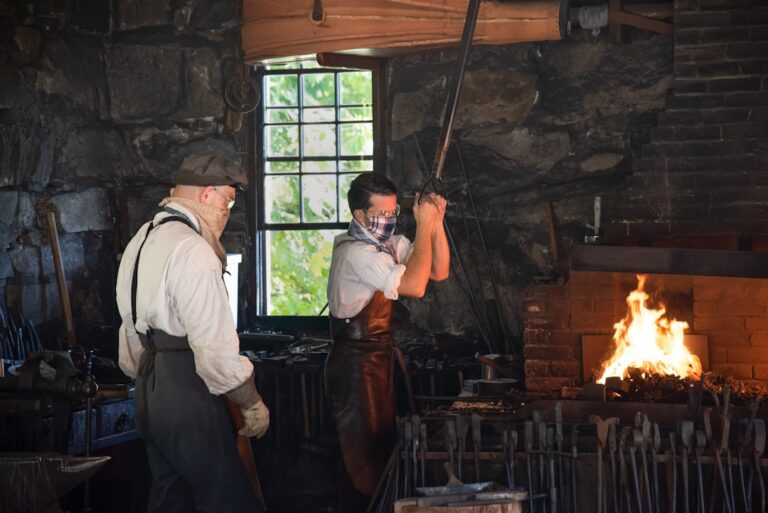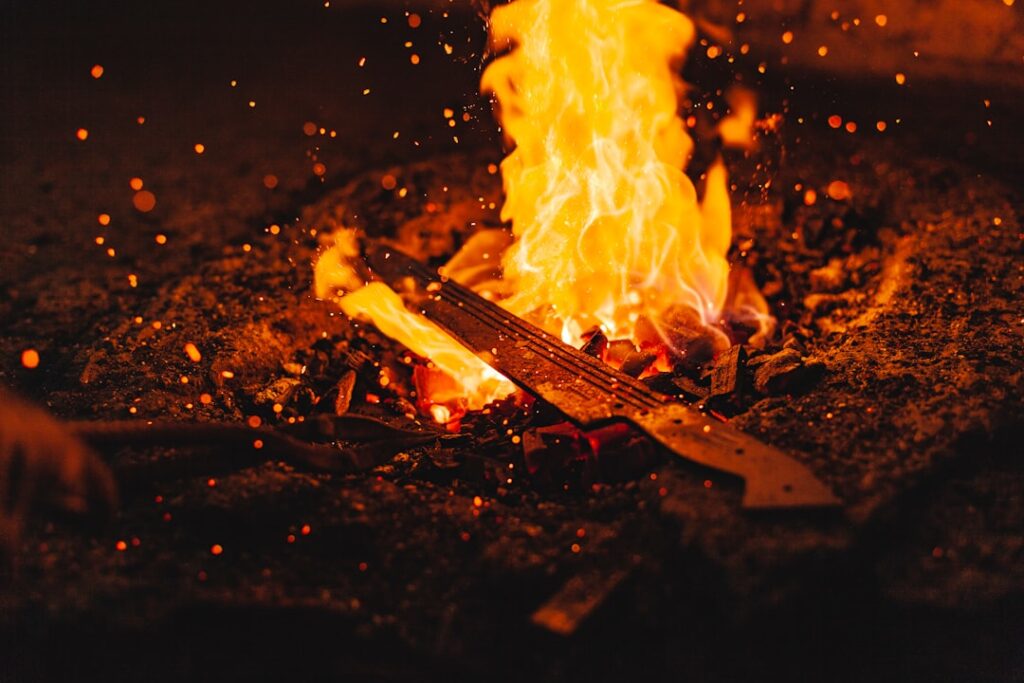
Forging with steel is an ancient craft that has stood the test of time, evolving from primitive techniques to sophisticated methods that harness the strength and versatility of this remarkable material. As we delve into the world of blacksmithing, we find ourselves captivated by the transformative process of shaping steel through heat and force. The rhythmic sound of hammer striking metal, the glow of the forge, and the smell of hot iron create an atmosphere that is both primal and exhilarating.
This art form not only produces functional tools and weapons but also allows for creative expression, making it a unique blend of utility and artistry. In our exploration of forging, we uncover the rich history that accompanies this craft. From ancient civilizations that relied on forged tools for survival to modern artisans who create intricate sculptures, the journey of steel forging is a testament to human ingenuity.
As we engage with this craft, we become part of a lineage that spans millennia, connecting us to those who have come before us. The act of forging steel is not merely a technical skill; it is a profound experience that invites us to engage with the material world in a deeply meaningful way.
Key Takeaways
- Forging with steel is a traditional metalworking process that involves shaping and manipulating steel through the application of heat and pressure.
- Steel is a crucial material in blacksmithing due to its strength, durability, and versatility, making it ideal for creating a wide range of tools, weapons, and decorative items.
- Different types of steel, such as carbon steel, alloy steel, and stainless steel, offer varying properties and characteristics that make them suitable for specific forging applications.
- Essential tools and equipment for forging with steel include a forge, anvil, hammer, tongs, and various shaping and cutting tools to manipulate the steel into desired shapes and forms.
- Safety considerations, such as wearing protective gear, maintaining a clean and organized workspace, and following proper forging techniques, are essential to prevent accidents and injuries while working with steel.
The Importance of Steel in Blacksmithing
Steel holds a central place in the blacksmithing tradition, serving as the primary medium through which we express our creativity and craftsmanship. Its unique properties—strength, malleability, and durability—make it an ideal choice for a wide range of applications. When heated to high temperatures, steel becomes pliable, allowing us to shape it into various forms with relative ease.
This transformative quality is what makes blacksmithing such a dynamic and rewarding craft.
Moreover, the importance of steel in blacksmithing extends beyond its physical properties.
It embodies a connection to our past and a commitment to craftsmanship that resonates with many artisans today. In an age dominated by mass production and disposable goods, forging with steel reminds us of the value of handmade items that carry a story and a personal touch. Each piece we create is imbued with our skill and intention, making it not just a tool or ornament but a reflection of our identity as blacksmiths.
Types of Steel Used in Forging
When it comes to forging, not all steel is created equal. Various types of steel possess distinct characteristics that influence their suitability for different projects. Carbon steel, for instance, is one of the most commonly used materials in blacksmithing due to its excellent balance of hardness and ductility.
It can be easily hardened through heat treatment, making it ideal for tools and blades. As we familiarize ourselves with carbon steel, we also learn about its different grades, each offering unique properties that cater to specific applications. Alloy steels are another category worth exploring.
These steels are infused with additional elements such as chromium, nickel, or molybdenum, enhancing their strength and resistance to wear. As we experiment with alloy steels, we discover their potential for creating high-performance tools and components that withstand rigorous use. Additionally, tool steels are specifically designed for manufacturing cutting tools and dies, providing us with options that excel in durability and edge retention. By understanding the various types of steel available to us, we can make informed choices that align with our project goals.
Tools and Equipment for Forging with Steel
| Tool or Equipment | Description | Usage |
|---|---|---|
| Forge | A heating device used to heat the steel for forging | To heat the steel to a malleable temperature for shaping |
| Anvil | A heavy block of iron or steel used as a base for forging | To provide a sturdy surface for shaping and forming the steel |
| Tongs | Long-handled tools with pincers used for gripping and lifting the hot steel | To hold and manipulate the hot steel during forging |
| Hammer | A tool with a heavy metal head used for striking the steel | To shape and form the hot steel on the anvil |
| Quenching Tank | A container filled with water or oil used to rapidly cool the hot steel | To harden the steel after forging and shaping |
To embark on our forging journey, we must equip ourselves with the right tools and equipment. The heart of any blacksmithing operation is the forge itself, where we heat our steel to the necessary temperatures for shaping. Traditional coal forges have been largely replaced by gas forges in modern workshops due to their efficiency and ease of use.
Regardless of the type of forge we choose, it serves as the foundation for our work, providing the intense heat required to transform solid steel into malleable forms. In addition to the forge, we rely on an array of tools that facilitate the forging process. Hammers are perhaps the most iconic tools in blacksmithing; they come in various shapes and sizes, each designed for specific tasks.
From heavy sledges used for shaping large pieces to lighter hammers for detail work, our choice of hammer can significantly impact the outcome of our projects. Anvil selection is equally important; a sturdy anvil provides a solid surface for shaping and forming steel. Other essential tools include tongs for gripping hot metal, chisels for cutting and detailing, and quenching tanks for heat treatment processes.
Together, these tools form an essential toolkit that empowers us to bring our creative visions to life.
Techniques for Forging with Steel
As we delve deeper into the craft of forging with steel, we encounter a variety of techniques that enhance our skills and expand our creative possibilities. One fundamental technique is drawing out, where we elongate a piece of steel by hammering it on an anvil’s surface. This technique allows us to create hooks, handles, or any elongated shape needed for our projects.
Another essential method is upsetting, which involves thickening a section of steel by compressing it with a hammer. Upsetting is particularly useful when creating rivets or adding mass to specific areas of a piece. We also explore more advanced techniques such as tapering and bending.
Tapering involves gradually reducing the thickness of a piece of steel at one end, which is crucial for creating pointed tools or decorative elements. Bending allows us to shape steel into curves or angles, adding complexity and elegance to our designs. As we practice these techniques, we develop a deeper understanding of how heat affects metal properties and how different hammer strikes can yield varying results.
Each technique becomes a tool in our arsenal, enabling us to tackle increasingly complex projects with confidence.
Safety Considerations for Forging with Steel

While forging with steel can be an exhilarating experience, it also comes with inherent risks that require careful attention to safety protocols. As we work with high temperatures and heavy tools, prioritizing safety becomes paramount in our blacksmithing practice. One of the first steps we take is ensuring proper ventilation in our workspace.
Fumes generated during forging can be harmful if inhaled over prolonged periods; therefore, working in a well-ventilated area or using exhaust systems helps mitigate this risk. Protective gear is another critical aspect of safety in blacksmithing. We don heavy leather gloves to shield our hands from burns and cuts while wearing safety glasses to protect our eyes from flying sparks and debris.
A sturdy apron made from flame-resistant material provides an additional layer of protection against heat and sharp edges. Furthermore, maintaining a clean workspace helps prevent accidents caused by tripping over tools or materials left lying around. By cultivating safe practices in our forging endeavors, we not only protect ourselves but also create an environment conducive to creativity and productivity.
Common Projects in Blacksmithing Using Forged Steel
As we hone our skills in forging with steel, we find ourselves drawn to various projects that showcase our craftsmanship and creativity. One common undertaking is creating functional tools such as knives or hammers. The process of forging a knife involves careful consideration of blade geometry and heat treatment techniques to ensure optimal performance.
Each knife becomes a unique expression of our style while serving as a practical tool in everyday life. In addition to functional items, decorative pieces also hold a special place in our hearts as blacksmiths. We often experiment with ornamental ironwork—creating gates, railings, or sculptures that blend artistry with functionality.
These projects allow us to explore intricate designs while showcasing the beauty inherent in forged steel. As we engage in these diverse projects, we not only refine our technical skills but also cultivate our artistic sensibilities, resulting in pieces that resonate with both form and function.
Advantages of Forging with Steel
In conclusion, forging with steel offers us a multitude of advantages that extend beyond mere craftsmanship. The process itself fosters creativity and self-expression while connecting us to a rich tradition steeped in history. Working with steel allows us to create durable and functional items that stand the test of time—each piece telling its own story through the marks left by hammer strikes and heat treatment processes.
Moreover, engaging in blacksmithing cultivates patience and discipline as we learn to master various techniques over time. The satisfaction derived from transforming raw materials into finished products is unparalleled; it instills a sense of accomplishment that resonates deeply within us as artisans. Ultimately, forging with steel is not just about creating objects; it is about embracing a way of life that values craftsmanship, creativity, and connection to both material and tradition.
If you are interested in learning more about blacksmithing and the importance of steel in this craft, I recommend checking out the article “The Basics of Steel for Blacksmithing” on Far Hills Forge. This article provides valuable information on the different types of steel that are commonly used by blacksmiths and how to choose the right one for your projects. It also discusses the properties of steel that make it ideal for blacksmithing and offers tips on how to work with this versatile material. For more insightful articles on blacksmithing and metalworking, be sure to visit the Far Hills Forge website.