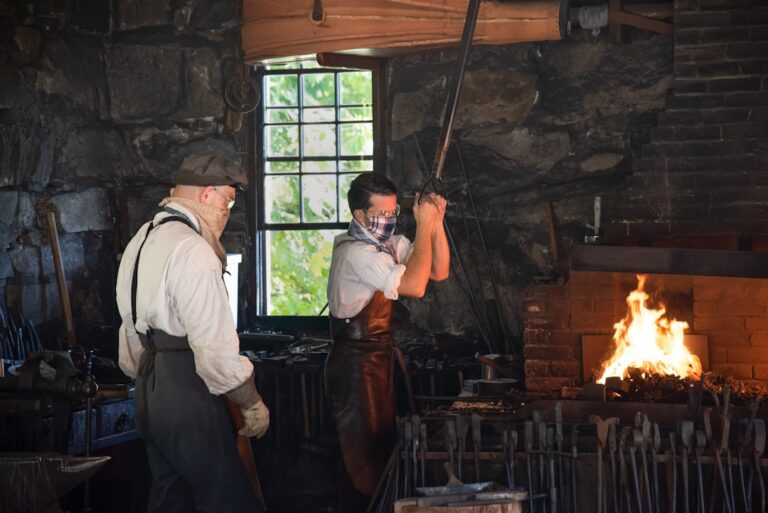
As we embark on our journey into the world of blacksmithing, it is essential to grasp the fundamental principles of the coal forge. At its core, a coal forge serves as a furnace where we can heat metal to a malleable state, allowing us to shape it into various tools, art pieces, or functional items. The forge itself typically consists of a firepot, where the coal is burned, and a blower that supplies air to intensify the flames.
This combination creates the high temperatures necessary for forging, often reaching upwards of 1,500 degrees Fahrenheit. The design of the coal forge is crucial for its efficiency and effectiveness. We must understand that the firepot is where the magic happens; it is where we place our coal and metal.
The airflow provided by the blower is equally important, as it helps maintain the fire’s intensity. By adjusting the airflow, we can control the temperature and ensure that our metal reaches the desired heat for forging. Additionally, we should familiarize ourselves with the different components of the forge, such as the anvil and tongs, which play vital roles in shaping and manipulating the heated metal.
Key Takeaways
- Understanding the Basics of the Blacksmith Coal Forge
- Choosing the Right Coal for Your Forge
- Maintaining the Proper Temperature in the Forge
- Safety Precautions for Working with a Coal Forge
- Mastering the Art of Heating and Shaping Metal
Choosing the Right Coal for Your Forge
Selecting the appropriate coal for our forge is a critical step that can significantly impact our blacksmithing experience. Not all coal is created equal; therefore, we must consider factors such as type, size, and quality. Anthracite coal is often favored for its high carbon content and low sulfur levels, making it an excellent choice for blacksmithing.
It burns hotter and cleaner than other types of coal, which is essential for achieving optimal forging temperatures. In addition to type, we should also pay attention to the size of the coal pieces. Larger chunks may take longer to ignite but can provide a more sustained burn once they are lit.
Conversely, smaller pieces ignite quickly but may burn out faster. Striking a balance between these two sizes can help us maintain a consistent fire in our forge. Furthermore, sourcing our coal from reputable suppliers ensures that we are using high-quality material that will enhance our forging process rather than hinder it.
Maintaining the Proper Temperature in the Forge

Once we have our coal selected and our forge set up, maintaining the proper temperature becomes our next challenge. The key to successful blacksmithing lies in our ability to control the heat effectively. We can achieve this by adjusting the airflow from our blower and managing the amount of coal in the firepot.
A well-maintained fire will produce a consistent heat that allows us to work efficiently. Monitoring the color of the metal is another crucial aspect of temperature control. As we heat our metal, it will change color, transitioning from a dull gray to bright orange and eventually to a yellowish hue when it reaches forging temperature.
By keeping an eye on these color changes, we can gauge when our metal is ready for shaping. Additionally, we should be prepared to add more coal as needed to maintain the fire’s intensity, ensuring that we do not let it die down during critical moments of our work.
Safety Precautions for Working with a Coal Forge
| Safety Precautions | Description |
|---|---|
| Wear Protective Clothing | Wear heat-resistant gloves, apron, and closed-toe shoes to protect from burns and sparks. |
| Use Eye Protection | Wear safety goggles to protect eyes from flying debris and sparks. |
| Work in a Well-Ventilated Area | Ensure proper ventilation to prevent inhalation of harmful fumes and gases. |
| Keep Flammable Materials Away | Avoid storing flammable materials near the coal forge to prevent fire hazards. |
| Use Tools Safely | Handle hot tools with care and use tongs to manipulate heated metal. |
Safety should always be our top priority when working with a coal forge. The combination of high temperatures and heavy tools presents numerous hazards that we must be aware of. First and foremost, wearing appropriate personal protective equipment (PPE) is essential.
This includes safety goggles to protect our eyes from sparks and flying debris, gloves to shield our hands from heat and sharp edges, and sturdy footwear to protect our feet from falling objects. In addition to PPE, we must also ensure that our workspace is organized and free from flammable materials. Keeping a fire extinguisher nearby is a wise precaution in case of emergencies.
Furthermore, we should familiarize ourselves with proper handling techniques for hot metal and tools to minimize the risk of burns or accidents. By taking these safety measures seriously, we can create a secure environment that allows us to focus on honing our blacksmithing skills without unnecessary distractions.
Mastering the Art of Heating and Shaping Metal
As we delve deeper into blacksmithing, mastering the art of heating and shaping metal becomes paramount. The process begins with heating our chosen metal until it reaches a malleable state. This requires not only an understanding of temperature but also an appreciation for timing; too little heat can result in brittle metal, while overheating can lead to oxidation and loss of material properties.
Once our metal is adequately heated, we can begin shaping it using various techniques such as hammering, bending, or twisting. Each technique requires practice and precision; therefore, we should take our time to develop our skills gradually. Experimenting with different shapes and forms will help us understand how metal responds to various forces and temperatures.
As we gain confidence in our abilities, we can start creating more complex pieces that showcase our craftsmanship.
Utilizing Different Tools and Techniques in the Forge

Tools of the Trade
For instance, different hammers can create various textures on metal surfaces, while specialized tongs allow us to grip hot pieces securely without risking burns.
Techniques to Elevate Your Work
In addition to tools, we should also explore various techniques that can elevate our work. Techniques such as forging welds or creating decorative elements like scrolls or twists add unique character to our pieces.
Endless Possibilities
As we experiment with these methods, we will discover new ways to express our creativity while honing our technical skills.
Troubleshooting Common Issues in the Coal Forge
Even seasoned blacksmiths encounter challenges while working with a coal forge. Recognizing common issues and knowing how to troubleshoot them can save us time and frustration during our projects. One frequent problem is inconsistent heat distribution within the forge.
If certain areas are cooler than others, it may be necessary to adjust the airflow or reposition the coal to ensure an even burn. Another common issue is dealing with clinker buildup—hardened ash that can obstruct airflow in the firepot. Regularly cleaning out clinkers will help maintain optimal performance in our forge.
Additionally, if we notice that our metal is not heating properly or is becoming too brittle during forging, it may indicate that we need to reassess our coal quality or temperature management techniques. By staying vigilant and proactive in addressing these issues, we can enhance our overall blacksmithing experience.
Tips for Cleaning and Maintaining Your Coal Forge
Proper maintenance of our coal forge is essential for ensuring its longevity and efficiency. Regular cleaning should be part of our routine; this includes removing ash and clinkers from the firepot after each use to prevent buildup that could hinder airflow. We should also inspect all components of the forge periodically for signs of wear or damage, addressing any issues promptly to avoid larger problems down the line.
In addition to cleaning, we must also consider how to protect our forge from environmental factors such as moisture or rust. Storing it in a dry area when not in use can help prevent corrosion and prolong its lifespan. Furthermore, lubricating moving parts like blowers or hinges will keep them functioning smoothly over time.
By committing to regular maintenance practices, we can ensure that our coal forge remains a reliable tool in our blacksmithing endeavors for years to come. In conclusion, understanding the intricacies of working with a coal forge opens up a world of possibilities for us as blacksmiths. From selecting the right materials to mastering techniques and maintaining safety standards, each aspect plays a vital role in shaping our skills and creations.
As we continue on this journey, let us embrace both challenges and triumphs with enthusiasm and dedication, knowing that every piece forged carries a piece of our passion within it.
If you are interested in learning more about blacksmith coal forges, be sure to check out the website Far Hills Forge. This site offers a wealth of information on blacksmithing techniques, tools, and projects. One article that may be of interest is “Hello World,” which can be found at https://farhillsforge.com/2025/01/21/hello-world/. This article may provide valuable insights into the world of blacksmithing and the use of coal forges in particular.