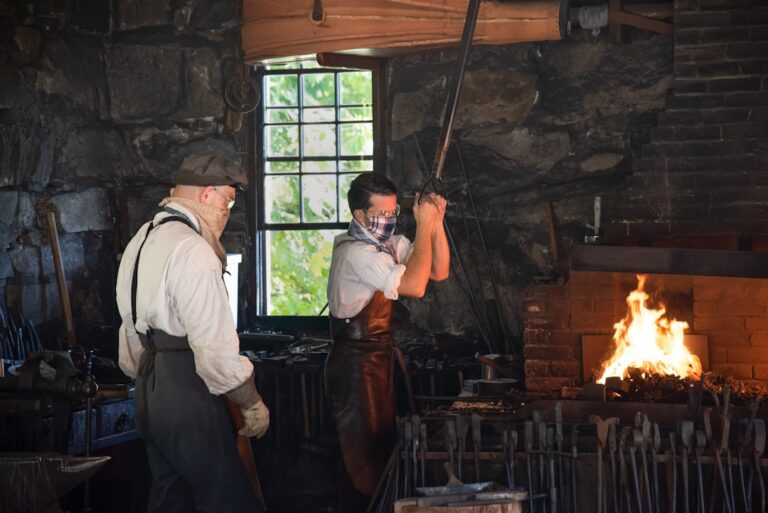
Wrought iron crafting is a time-honored tradition that has captivated artisans and craftsmen for centuries. As we delve into this fascinating world, we find ourselves immersed in a blend of artistry and functionality. The allure of wrought iron lies not only in its strength and durability but also in the unique aesthetic it brings to various projects.
From ornate gates and railings to intricate furniture and decorative pieces, wrought iron has the ability to transform spaces and evoke a sense of timeless elegance. As we embark on our journey into wrought iron crafting, we recognize that it is more than just a skill; it is an expression of creativity and craftsmanship. Each piece we create tells a story, reflecting our vision and dedication to the craft.
The process of shaping and molding iron into beautiful forms allows us to connect with a rich heritage of blacksmithing, where the heat of the forge and the rhythm of the hammer become an extension of our own artistic expression. In this article, we will explore the essential tools, techniques, and safety measures that will guide us in our pursuit of mastering wrought iron crafting.
Key Takeaways
- Wrought iron crafting is a traditional form of metalworking that involves shaping and manipulating iron into decorative and functional pieces.
- Essential tools for blacksmithing include a forge, anvil, hammer, tongs, and a metal grinder, while materials include iron stock, coal or propane, and flux.
- Basic blacksmithing techniques include heating, shaping, and joining metal, while advanced techniques involve intricate designs, scrollwork, and forge welding.
- Safety tips for wrought iron crafting include wearing protective gear, working in a well-ventilated area, and being mindful of hot metal and open flames.
- Design and planning for wrought iron projects involve sketching out ideas, taking measurements, and considering the functionality and aesthetics of the final piece.
Tools and Materials for Blacksmithing
To embark on our blacksmithing journey, we must first familiarize ourselves with the essential tools and materials that will aid us in our craft. The heart of any blacksmithing operation is the forge, where we heat our iron to a malleable state. Whether we choose a coal forge or a gas forge, the heat generated is crucial for shaping our metal.
Alongside the forge, an anvil serves as our primary work surface, providing a solid foundation for hammering and shaping our creations. In addition to these foundational tools, we will need a variety of hammers, tongs, and chisels to manipulate the iron effectively. Each tool serves a specific purpose, allowing us to achieve different shapes and finishes.
For instance, a cross-peen hammer is ideal for drawing out metal, while a ball-peen hammer can be used for rounding edges. Tongs come in various shapes and sizes, enabling us to grip hot metal securely without burning ourselves. As we gather our tools, we must also consider the materials we will be working with.
Wrought iron, known for its ductility and resistance to corrosion, is often preferred for its workability and aesthetic appeal.
Basic Blacksmithing Techniques

As we begin to hone our skills in blacksmithing, it is essential to master some basic techniques that will serve as the foundation for more advanced work. One of the first techniques we should practice is drawing out, which involves elongating a piece of metal by hammering it while it is heated. This technique allows us to create rods or bars of varying lengths, which can be used in various projects. We can also practice bending, where we shape the metal into curves or angles by applying pressure at specific points. Another fundamental technique is upsetting, which involves thickening a section of metal by hammering it down.
This technique is particularly useful when creating decorative elements or joints in our projects. As we become more comfortable with these basic techniques, we can experiment with combining them to create more complex shapes and designs. The key is to remain patient and persistent; blacksmithing requires practice and dedication to achieve mastery.
Advanced Blacksmithing Techniques
| Technique | Description | Benefits |
|---|---|---|
| Folded Steel | A process of folding and hammering the steel to create layers for increased strength and flexibility. | Enhanced durability and resistance to breakage. |
| Pattern Welding | Layering different types of steel to create decorative patterns and improve overall strength. | Creates visually appealing designs and increases the blade’s toughness. |
| Quenching | Rapidly cooling the heated metal to alter its physical properties, such as hardness and strength. | Improves the blade’s hardness and sharpness retention. |
| Tempering | Heating and cooling the metal to reduce brittleness and increase toughness. | Enhances the blade’s toughness and flexibility. |
Once we have established a solid foundation in basic blacksmithing techniques, we can begin to explore more advanced methods that will elevate our craftsmanship. One such technique is forge welding, which involves fusing two pieces of metal together by heating them to a high temperature and then hammering them into a single unit. This technique allows us to create intricate designs and join different materials seamlessly.
Another advanced technique worth exploring is pattern welding, where we layer different types of steel to create unique patterns within the metal itself. This method not only enhances the visual appeal of our creations but also improves their strength and durability. As we delve deeper into these advanced techniques, we may also want to experiment with heat treatment processes such as quenching and tempering, which can alter the properties of the metal and enhance its performance in various applications.
Safety Tips for Wrought Iron Crafting
Safety should always be our top priority when engaging in wrought iron crafting. The nature of blacksmithing involves working with high temperatures and heavy tools, which can pose significant risks if proper precautions are not taken. First and foremost, we must equip ourselves with appropriate personal protective equipment (PPE).
This includes safety goggles to protect our eyes from flying sparks, heat-resistant gloves to shield our hands from burns, and sturdy footwear to protect our feet from falling objects. In addition to wearing PPE, we should also ensure that our workspace is organized and free from hazards. Keeping flammable materials away from the forge and maintaining a clean work area can significantly reduce the risk of accidents.
Furthermore, it is essential to familiarize ourselves with emergency procedures in case of fire or injury. By prioritizing safety measures, we can enjoy the art of wrought iron crafting while minimizing risks.
Design and Planning for Wrought Iron Projects

Before diving into any wrought iron project, careful design and planning are crucial steps that can greatly influence the outcome of our work. We should start by sketching out our ideas on paper or using design software to visualize our concepts.
As we develop our designs, it is important to think about functionality as well as beauty. For instance, if we are creating a gate or railing, we must ensure that it meets safety standards while still being visually appealing. Additionally, considering the environment where our piece will be placed can help us choose appropriate styles and finishes that complement the surrounding architecture or landscape.
By taking the time to plan thoroughly, we set ourselves up for success in bringing our wrought iron visions to life.
Finishing and Protecting Wrought Iron Creations
Once we have completed our wrought iron projects, the finishing touches play a vital role in enhancing their appearance and longevity. We can choose from various finishing techniques such as sanding, polishing, or applying patinas to achieve the desired look for our creations. Sanding helps smooth out rough edges while polishing can give our pieces a brilliant shine that highlights their craftsmanship.
In addition to aesthetic finishes, protecting our wrought iron creations from corrosion is essential for ensuring their durability over time. Applying a protective coating such as paint or clear sealant can help shield the metal from moisture and environmental elements that may cause rusting. Regular maintenance checks are also important; by inspecting our pieces periodically for signs of wear or damage, we can address any issues before they escalate.
Inspiration and Ideas for Wrought Iron Crafting
As we continue on our journey in wrought iron crafting, seeking inspiration can ignite our creativity and lead us to new ideas for projects. We can draw inspiration from nature by observing organic shapes and patterns found in plants or animals. Architectural elements such as gates, railings, and furniture designs can also provide valuable insights into how wrought iron can be utilized effectively.
Visiting local art galleries or exhibitions dedicated to metalwork can further fuel our imagination. Engaging with fellow artisans through workshops or online forums allows us to exchange ideas and techniques while fostering a sense of community within the craft. Ultimately, the possibilities are endless; whether we choose to create functional pieces or purely decorative art, each project offers an opportunity for self-expression through the timeless medium of wrought iron.
In conclusion, wrought iron crafting is an enriching pursuit that combines skill, creativity, and tradition. By understanding the tools and techniques involved while prioritizing safety and thoughtful design, we can create stunning pieces that stand the test of time.
If you are interested in learning more about blacksmithing and working with wrought iron, you may want to check out the article “The History of Wrought Iron” on Far Hills Forge’s website. This article delves into the origins and uses of wrought iron throughout history, providing valuable insights for blacksmiths looking to expand their knowledge and skills. You can read the article here.