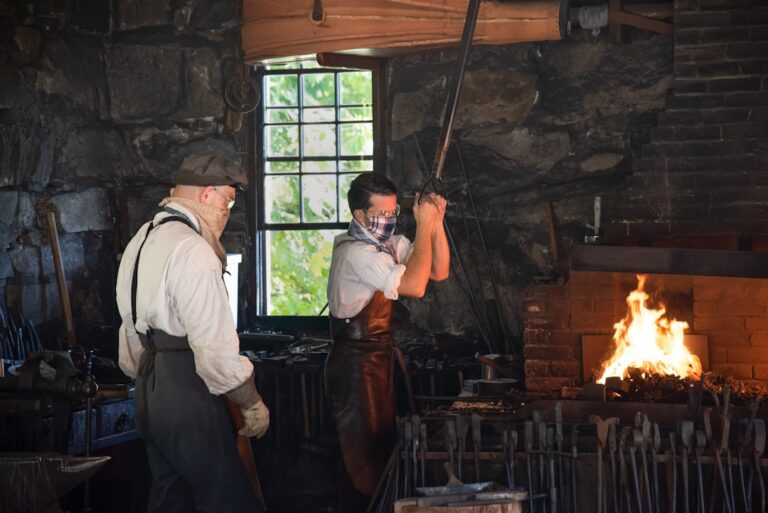
In recent years, we have witnessed a remarkable resurgence of blacksmithing, a craft that many believed had faded into obscurity. This revival is not merely a nostalgic nod to the past; it represents a growing appreciation for handmade goods and artisanal craftsmanship. As we navigate an increasingly digital world, the tactile nature of blacksmithing offers a refreshing contrast.
We find ourselves drawn to the idea of creating something tangible and enduring, a stark departure from the mass-produced items that dominate our lives. This renewed interest is fueled by a desire for authenticity and individuality, as more people seek to connect with the materials and processes that shape their surroundings. Moreover, this resurgence is not limited to hobbyists or enthusiasts; it has permeated various sectors, including art, fashion, and home decor.
We see blacksmithing being embraced by contemporary artists who incorporate traditional techniques into their work, creating pieces that resonate with both history and modern aesthetics. Workshops and classes are popping up across the globe, inviting newcomers to experience the thrill of forging metal. As we engage in this craft, we not only learn about the physicality of working with metal but also about patience, precision, and the satisfaction that comes from creating something with our own hands.
Key Takeaways
- Blacksmithing has seen a resurgence in the 21st century, with a growing interest in traditional crafts and artisanal skills.
- Modern tools and techniques have revolutionized blacksmithing, allowing for greater precision and efficiency in the craft.
- Technology plays a significant role in the modern blacksmith shop, with the use of 3D modeling, CNC machines, and other digital tools.
- Traditional and contemporary designs both influence modern blacksmithing, blending heritage with innovation in the creation of unique pieces.
- Modern blacksmithing emphasizes sustainability and eco-friendly practices, with a focus on using recycled materials and minimizing waste.
Modern Tools and Techniques in Blacksmithing
As we delve deeper into the world of blacksmithing, we discover that modern tools and techniques have significantly evolved while still honoring traditional methods. The introduction of power hammers, hydraulic presses, and electric forges has transformed the way we approach metalworking. These tools allow us to achieve greater efficiency and precision, enabling us to explore more complex designs and larger projects than ever before.
While some purists may argue that these advancements detract from the authenticity of the craft, we believe they open up new avenues for creativity and innovation. In addition to mechanical tools, we are also witnessing the integration of digital technology into blacksmithing. Computer-aided design (CAD) software allows us to visualize our creations before we even touch the metal.
This fusion of technology and craftsmanship empowers us to experiment with intricate designs and ensures that our final products are both functional and aesthetically pleasing. As we embrace these modern techniques, we find ourselves at a unique intersection of tradition and innovation, where the age-old art of blacksmithing meets the possibilities of contemporary technology.
The Role of Technology in the Modern Blacksmith Shop

Technology plays an increasingly vital role in our modern blacksmith shops, enhancing both our efficiency and creativity. The advent of plasma cutters and laser engravers has revolutionized how we approach metalworking. These tools enable us to cut intricate shapes with precision that would have been nearly impossible using traditional methods alone.
As we incorporate these technologies into our workflow, we can produce more complex designs while maintaining a high level of craftsmanship. Furthermore, technology has also transformed how we market and sell our creations. Social media platforms provide us with a global stage to showcase our work, connect with potential customers, and build a community around our craft.
We can share videos of our forging process, engage with followers through live demonstrations, and even sell our products directly through online marketplaces. This digital presence not only helps us reach a wider audience but also fosters a sense of connection with fellow artisans and enthusiasts around the world.
The Influence of Traditional and Contemporary Designs in Blacksmithing
| Design Aspect | Traditional Blacksmithing | Contemporary Blacksmithing |
|---|---|---|
| Materials Used | Iron, steel, and other metals | Iron, steel, and other metals, as well as modern alloys |
| Techniques | Forging, welding, and hand-crafting | CAD design, CNC machining, and 3D printing in addition to traditional techniques |
| Design Aesthetics | Rustic, organic, and historical influences | Modern, sleek, and innovative designs |
| Functionality | Primarily functional with decorative elements | Emphasis on both functionality and artistic expression |
As we explore the realm of blacksmithing, we find ourselves inspired by both traditional and contemporary designs. The rich history of blacksmithing is filled with time-honored techniques and styles that have stood the test of time. From ornate wrought iron gates to functional tools, traditional designs offer us a wealth of knowledge and inspiration.
We often draw upon these historical elements as we create our own pieces, infusing them with a sense of heritage while adding our unique twist. At the same time, contemporary design trends are reshaping the landscape of blacksmithing. Minimalism, for instance, has gained popularity in recent years, encouraging us to focus on clean lines and simplicity in our work.
We find ourselves experimenting with new materials and forms, blending metal with wood or glass to create striking contrasts. This fusion of traditional craftsmanship with modern aesthetics allows us to push boundaries and redefine what blacksmithing can be. As we navigate this dynamic interplay between old and new, we are continually inspired to innovate while honoring the roots of our craft.
The Sustainability and Eco-Friendly Aspects of Modern Blacksmithing
In an era where sustainability is at the forefront of many discussions, blacksmithing offers a unique opportunity for eco-friendly practices. As we forge our creations, we often work with recycled materials or locally sourced metals, reducing our carbon footprint and promoting responsible consumption. The durability of handcrafted items also contributes to sustainability; unlike mass-produced goods that may quickly end up in landfills, our creations are designed to last for generations.
Moreover, many of us are increasingly aware of the environmental impact of our craft. We strive to minimize waste by repurposing scrap metal and utilizing efficient forging techniques that conserve energy. The use of coal or charcoal as fuel in traditional blacksmithing can be replaced with more sustainable options like propane or electric forges that produce less pollution.
By embracing these eco-friendly practices, we not only contribute to a healthier planet but also align our craft with the values of a growing number of consumers who prioritize sustainability in their purchasing decisions.
The Community and Social Aspects of Blacksmithing in the 21st Century

The resurgence of blacksmithing has fostered a vibrant community that transcends geographical boundaries. As we engage with fellow artisans through workshops, online forums, and social media platforms, we find ourselves part of a supportive network that shares knowledge, techniques, and inspiration. This sense of community is invaluable; it allows us to learn from one another’s experiences and challenges while celebrating each other’s successes.
Additionally, blacksmithing has become a means for social connection beyond just crafting metal.
These gatherings not only provide opportunities for sales but also foster relationships within our communities.
We often find ourselves sharing stories about our craft with curious onlookers or collaborating with other artisans on joint projects. This social aspect enriches our experience as blacksmiths and reinforces the idea that craftsmanship is not just about creating objects but also about building connections.
The Business of Blacksmithing: Selling and Marketing Handcrafted Goods
As we navigate the business side of blacksmithing, we quickly realize that selling handcrafted goods requires a unique approach compared to mass-produced items. Our creations often carry a story—one that reflects our passion for the craft and the time invested in each piece. To effectively market our work, we must communicate this narrative to potential customers.
This involves not only showcasing the beauty and functionality of our products but also sharing insights into our creative process. Social media has become an essential tool for promoting our work in today’s digital landscape. Platforms like Instagram allow us to visually document our forging journey, providing followers with behind-the-scenes glimpses into our workshops.
By engaging with our audience through regular updates and interactive content, we can cultivate a loyal customer base that appreciates the artistry behind each piece. Additionally, participating in local markets or craft fairs enables us to connect directly with customers, allowing them to experience the quality and craftsmanship firsthand.
The Future of Blacksmithing: Trends and Innovations in the Craft
Looking ahead, we are excited about the future of blacksmithing as it continues to evolve alongside technological advancements and shifting consumer preferences. One trend gaining momentum is the integration of smart technology into metalworking processes. For instance, some artisans are exploring ways to incorporate sensors into their tools that can provide real-time feedback on temperature or pressure during forging.
This innovation could enhance precision and safety while pushing the boundaries of what is possible in blacksmithing. Additionally, as sustainability becomes increasingly important to consumers, we anticipate a growing demand for eco-friendly practices within the craft. This may lead to more artisans exploring alternative materials or energy sources that align with environmentally conscious values.
As we embrace these trends and innovations, we remain committed to preserving the essence of blacksmithing while adapting to meet the needs of a changing world. In conclusion, as we reflect on the resurgence of blacksmithing in the 21st century, it is clear that this ancient craft is experiencing a renaissance fueled by modern tools, technology, community engagement, and sustainability efforts. Together, we are shaping a future where blacksmithing thrives as both an art form and a viable business venture—one that honors tradition while embracing innovation.
If you’re interested in learning more about modern blacksmithing techniques and tools, be sure to check out the article “The Evolution of Blacksmithing in the Modern Age” on Far Hills Forge. This article delves into how traditional blacksmithing practices have evolved to meet the demands of the modern world, showcasing the innovative methods and technologies that are now being used in blacksmith shops.