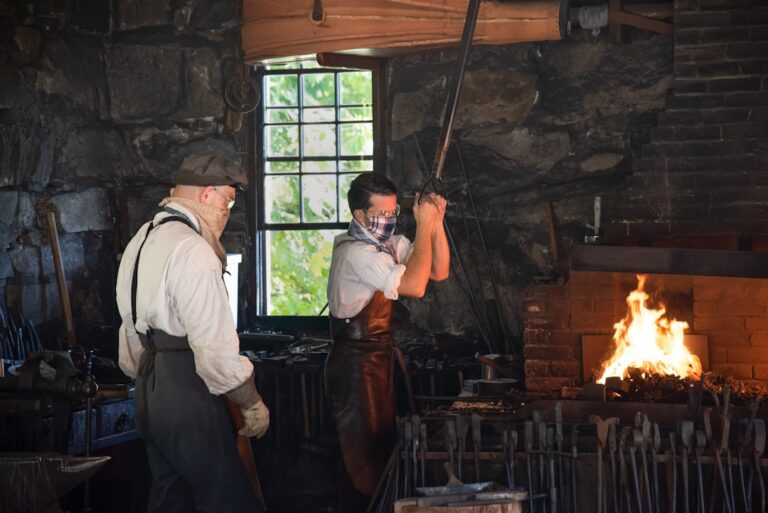
In the world of metalworking, the portable forge has emerged as a game-changer, allowing artisans and hobbyists alike to take their craft on the road. This versatile tool has revolutionized the way we think about blacksmithing, enabling us to create intricate metalwork in various locations, whether at home, in a workshop, or even at outdoor events. The concept of a portable forge is not just about convenience; it embodies the spirit of craftsmanship and creativity that drives many of us to explore the art of metalworking.
As we delve into the realm of portable forges, we find that they come in various shapes and sizes, each designed to cater to different needs and preferences. From lightweight models that can be easily transported in a vehicle to more robust designs that still maintain portability, these forges offer a unique blend of functionality and mobility. By understanding the benefits, types, safety precautions, and maintenance involved with portable forges, we can better appreciate their role in our creative endeavors.
Key Takeaways
- Portable forges are convenient and versatile tools for blacksmithing and metalworking on the go.
- Using a portable forge allows for flexibility in workspace and the ability to take the forge to different locations.
- There are various types of portable forges with different features, such as size, fuel type, and temperature control.
- Safety precautions, such as proper ventilation and protective gear, are essential when using a portable forge.
- When choosing a portable forge, consider factors such as fuel type, size, and temperature range to suit your specific needs.
Benefits of Using a Portable Forge
Unleashing Creativity Anywhere
One of the most significant advantages of using a portable forge is the freedom it provides.
This flexibility allows us to engage with our craft in diverse environments, fostering creativity and innovation.
Connecting with Nature
Additionally, the ability to work outdoors can enhance our experience, as we connect with nature while shaping metal into beautiful forms. Another benefit lies in the accessibility of portable forges. Many models are designed to be user-friendly, making them suitable for both beginners and experienced blacksmiths.
Breaking Down Barriers
This accessibility encourages more people to explore metalworking as a hobby or profession. Furthermore, portable forges often require less space than traditional stationary forges, making them ideal for those with limited workshop space. By breaking down barriers to entry, portable forges invite a wider audience to experience the joy of blacksmithing.
Types and Features of Portable Forges

When we consider the types of portable forges available on the market, we find a variety of options tailored to different needs. One common type is the propane forge, which uses propane gas as a fuel source. These forges are known for their efficiency and ease of use, making them popular among beginners.
They heat up quickly and provide consistent temperatures, allowing us to work with various metals effectively. Another type is the coal forge, which harkens back to traditional blacksmithing methods. While coal forges may require more setup and maintenance, they offer a unique experience that many purists appreciate.
Additionally, there are electric forges that provide an alternative for those who prefer not to deal with fuel sources. Each type of forge comes with its own set of features, such as adjustable air supply for temperature control and portability options like wheels or handles for easy transport.
Safety Precautions for Using a Portable Forge
| Safety Precautions | Description |
|---|---|
| Wear Protective Gear | Always wear heat-resistant gloves, safety glasses, and an apron when using a portable forge. |
| Keep Work Area Clear | Ensure the area around the forge is clear of flammable materials and clutter to prevent accidents. |
| Proper Ventilation | Use the forge in a well-ventilated area to prevent the buildup of harmful fumes. |
| Fire Extinguisher | Have a fire extinguisher nearby in case of emergencies. |
| Follow Manufacturer’s Instructions | Always adhere to the guidelines provided by the manufacturer for safe operation of the portable forge. |
As we embark on our metalworking journey with a portable forge, it is crucial to prioritize safety. Working with high temperatures and heavy materials can pose risks if proper precautions are not taken. First and foremost, we should always wear appropriate personal protective equipment (PPE), including heat-resistant gloves, safety goggles, and sturdy footwear.
These items help protect us from burns, flying debris, and other potential hazards. Moreover, we must ensure that our workspace is well-ventilated. Fumes generated during the forging process can be harmful if inhaled in large quantities.
Setting up our portable forge outdoors or in a well-ventilated area can mitigate this risk significantly. Additionally, keeping a fire extinguisher nearby is essential in case of emergencies. By being proactive about safety measures, we can enjoy our crafting experience while minimizing risks.
Tips for Choosing the Right Portable Forge
When it comes to selecting the right portable forge for our needs, several factors come into play. First, we should consider our level of experience and the types of projects we plan to undertake. Beginners may benefit from starting with a propane forge due to its ease of use and quick heating capabilities.
On the other hand, seasoned blacksmiths might prefer a coal forge for its traditional appeal and versatility. Another important aspect to evaluate is the size and weight of the forge. If we plan to transport it frequently, opting for a lightweight model with convenient carrying features is wise.
Additionally, we should look for adjustable temperature controls and adequate insulation to ensure efficient heating while minimizing fuel consumption. By carefully assessing our requirements and preferences, we can make an informed decision that aligns with our metalworking aspirations.
How to Set Up and Use a Portable Forge

Choosing the Right Location
First, we should choose a stable surface that can withstand high temperatures and is away from flammable materials.
Assembling the Forge
Once we have identified an appropriate location, we can begin assembling our forge according to the manufacturer’s instructions. This may involve connecting fuel lines for propane models or preparing coal for traditional setups.
Igniting the Forge
Once our forge is set up, it’s time to ignite it carefully. For propane forges, we should follow safety protocols when lighting the burner to avoid flare-ups. In coal forges, we need to create a proper bed of coal before introducing air flow to ignite it effectively. As the forge heats up, we can prepare our metalwork by cutting and shaping materials as needed. Throughout this process, maintaining focus on safety and efficiency will enhance our overall experience.
Maintenance and Care of a Portable Forge
To ensure our portable forge remains in optimal condition, regular maintenance is essential. After each use, we should clean out any residual materials such as ash or slag from coal forges or check for any blockages in propane lines. This not only prolongs the life of our equipment but also ensures safe operation during future sessions.
Additionally, inspecting components such as burners or electrical connections regularly can help identify potential issues before they escalate into significant problems. We should also consider applying protective coatings to prevent rust on metal surfaces when not in use. By dedicating time to care for our portable forge, we can enjoy many years of successful metalworking.
Creative Projects and Applications for a Portable Forge
The possibilities are endless when it comes to creative projects using a portable forge. From crafting custom tools and hardware to creating intricate sculptures or jewelry pieces, our imagination is the only limit. We can experiment with different metals and techniques, allowing us to develop our unique style as artisans.
Moreover, portable forges are perfect for collaborative projects or workshops where we can share our skills with others. Whether hosting a community event or participating in local craft fairs, these forges enable us to engage with fellow enthusiasts while showcasing our work.
In conclusion, portable forges have transformed the landscape of blacksmithing by offering flexibility, accessibility, and creative potential. As we explore their benefits, types, safety precautions, maintenance needs, and project possibilities, we find ourselves empowered to embrace this ancient craft in modern ways. With careful consideration and dedication to our craft, we can unlock new horizons in metalworking that inspire us and those around us.
If you are interested in learning more about portable forges, you may want to check out this article on farhillsforge.com. This website offers a variety of resources and information on blacksmithing tools and techniques, including portable forges. Whether you are a beginner or an experienced blacksmith, you are sure to find valuable insights and tips on this site. Happy forging!