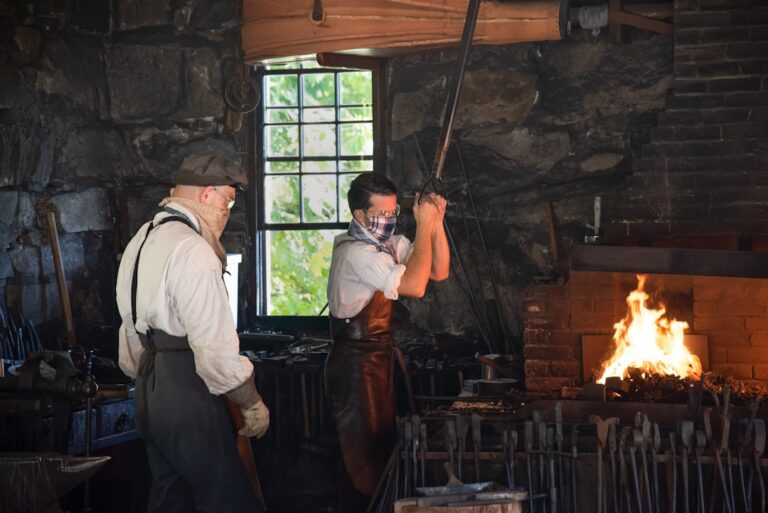
Forging is an ancient craft that has stood the test of time, evolving from a necessity in tool-making to an art form that captivates many today. At its core, forging involves shaping metal through the application of heat and force. This process can be traced back thousands of years, where blacksmiths would heat iron or steel until it became malleable, allowing them to create everything from simple tools to intricate decorative pieces.
As we delve into the world of forging, we find that it is not just about the physical act of shaping metal; it is also about understanding the properties of different materials and how they respond to heat and pressure. As we embark on our forging journey, it is essential to grasp the fundamental principles that govern this craft. The temperature at which we heat the metal plays a crucial role in its workability.
For instance, steel must reach a specific temperature to become malleable, and this varies depending on the type of steel we are using. Additionally, the techniques we employ—such as hammering, bending, and twisting—are all integral to achieving our desired results. By familiarizing ourselves with these basics, we lay a solid foundation for our forging endeavors.
Key Takeaways
- Forging is the process of shaping metal through the application of force and heat.
- When choosing a beginner forge, consider factors such as fuel type, size, and cost.
- Types of beginner forges include gas forges, coal forges, and electric forges, each with their own pros and cons.
- Essential tools for beginner forging include tongs, hammers, and safety equipment such as gloves and goggles.
- When setting up and using your beginner forge, ensure proper ventilation and follow safety guidelines to avoid accidents.
Factors to Consider When Choosing a Beginner Forge
Fuel Type: Propane vs. Coal
The type of fuel the forge uses is a crucial consideration. For those just starting out, propane forges are recommended due to their ease of use and accessibility, heating up quickly and providing a consistent temperature. However, coal forges have their own charm and can offer a unique experience that some may find appealing.
Forge Size: Considering Workspace and Future Projects
The size of the forge is another critical factor to consider. As beginners, we should think about our workspace and how much room we have available. A smaller forge may be more manageable initially, but we should also consider our future projects and whether we might need a larger forge down the line.
Portability: A Key Aspect for Flexibility
Additionally, portability can be an essential aspect if we plan to move our forge or work in different locations. By weighing these factors carefully, we can make an informed decision that aligns with our needs and aspirations in forging.
Types of Beginner Forges and Their Pros and Cons

As we explore the various types of beginner forges available, we quickly realize that each has its own set of advantages and disadvantages. Propane forges are among the most popular choices for newcomers. They are relatively easy to set up and operate, requiring minimal maintenance compared to coal forges.
The clean-burning nature of propane means less soot and mess, allowing us to focus more on our craft rather than cleanup. However, one downside is that propane forges may not reach the same high temperatures as coal forges, which can limit our ability to work with certain types of steel. On the other hand, coal forges offer a more traditional forging experience.
They can achieve higher temperatures, making them suitable for a broader range of metals. The process of tending to a coal fire can also be quite rewarding, as it connects us to the historical roots of blacksmithing. However, coal forges require more effort in terms of setup and maintenance.
The smoke and soot produced can create a less-than-ideal working environment, especially for those who are sensitive to such conditions. Ultimately, our choice will depend on our personal preferences and goals as we embark on this exciting journey.
Essential Tools and Safety Equipment for Beginner Forging
| Item | Description |
|---|---|
| Forge | A heat source for heating metal to a malleable temperature |
| Anvil | A heavy block of iron or steel on which hot metals are shaped |
| Hammer | A tool used to shape and manipulate hot metal on the anvil |
| Tongs | Used to hold and manipulate hot metal safely |
| Safety glasses | Protects the eyes from flying debris and hot metal |
| Apron | Protects the body and clothing from hot metal and sparks |
Equipping ourselves with the right tools and safety gear is paramount as we begin our forging adventure. A few essential tools will form the backbone of our forging setup. First and foremost, a good hammer is crucial; it allows us to shape metal effectively.
Additionally, tongs are indispensable for handling hot metal safely. They come in various shapes and sizes, so having a few different types will enable us to grasp different pieces effectively.
Safety equipment cannot be overlooked in our forging endeavors. As we work with high temperatures and heavy materials, protecting ourselves is essential. A sturdy pair of leather gloves will shield our hands from burns while providing grip when handling hot items.
Safety glasses are also vital; they protect our eyes from flying sparks and debris that can occur during the forging process. Lastly, wearing appropriate clothing—such as long sleeves and closed-toe shoes—will further enhance our safety while working at the forge.
Tips for Setting Up and Using Your Beginner Forge
Setting up our beginner forge requires careful planning to ensure a safe and efficient workspace. First, we should choose a location that is well-ventilated to prevent the buildup of harmful fumes from burning fuel. If we are using a propane forge, placing it outdoors or in a garage with open doors can help maintain airflow.
For coal forges, having a designated area with proper drainage is essential to manage any ash or debris produced during operation. Once our forge is set up, understanding how to use it effectively is key to successful forging. We should start by preheating the forge before placing any metal inside; this allows us to achieve optimal temperatures quickly.
As we work with metal, it’s important to monitor its color closely; when it turns bright orange or yellow, it indicates that it’s ready for shaping. We should also practice proper hammering techniques—using controlled strikes rather than wild swings—to achieve better results while minimizing fatigue.
Common Mistakes to Avoid When Using a Beginner Forge

As beginners in forging, we are bound to make mistakes along the way; however, being aware of common pitfalls can help us avoid them. One frequent error is rushing the heating process. It can be tempting to place metal in the forge without allowing it to reach the appropriate temperature fully.
This can lead to uneven heating and make shaping difficult or even impossible. Patience is key; taking the time to ensure that our metal is adequately heated will yield better results. Another mistake often made by beginners is neglecting safety precautions.
We may feel invincible when engrossed in our work, but overlooking safety measures can lead to accidents or injuries. Always wearing protective gear and maintaining a clean workspace will help mitigate risks significantly. Additionally, we should avoid distractions while working at the forge; staying focused will enhance both our safety and productivity.
Beginner-Friendly Projects to Try with Your Forge
Once we feel comfortable with our beginner forge setup, it’s time to dive into some exciting projects that will help us hone our skills. One excellent starting point is creating simple hooks or small tools like chisels or punches. These projects allow us to practice basic shaping techniques while producing functional items that can be used around the house or workshop.
As we gain confidence, we might consider crafting decorative items such as candle holders or small sculptures. These projects not only challenge our creativity but also provide an opportunity to experiment with different techniques like twisting or bending metal into intricate shapes. By starting with manageable projects and gradually increasing complexity, we can build our skills while enjoying the satisfaction of creating something unique.
Maintenance and Care for Your Beginner Forge
Caring for our beginner forge is essential to ensure its longevity and optimal performance over time. Regular maintenance will not only keep our equipment in good condition but also enhance our overall forging experience. After each use, we should clean out any ash or debris from coal forges; this prevents buildup that could affect airflow during future sessions.
For propane forges, checking hoses and connections regularly will help prevent leaks and ensure safe operation. Additionally, inspecting tools for wear and tear is crucial; replacing worn-out hammers or tongs will improve our efficiency while working at the forge. We should also consider applying protective coatings to prevent rust on metal surfaces when they are not in use.
By establishing a routine maintenance schedule, we can keep our beginner forge in top shape and ready for all our future forging adventures. In conclusion, embarking on a journey into the world of forging opens up a realm of creativity and craftsmanship that many find deeply rewarding. By understanding the basics of forging, carefully selecting our equipment, practicing safety measures, and engaging in beginner-friendly projects, we can cultivate our skills while enjoying this timeless craft.
If you are looking to start your journey into blacksmithing, one of the best beginner forges to consider is the one offered by Far Hills Forge. This forge is designed with beginners in mind, providing a user-friendly experience while still delivering high-quality results. For more information on getting started with blacksmithing, check out their article “Getting Started with Blacksmithing” which offers valuable tips and advice for beginners.