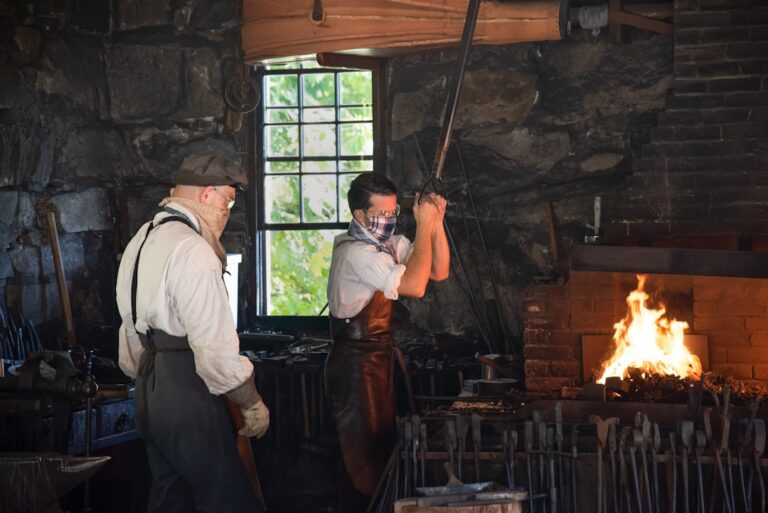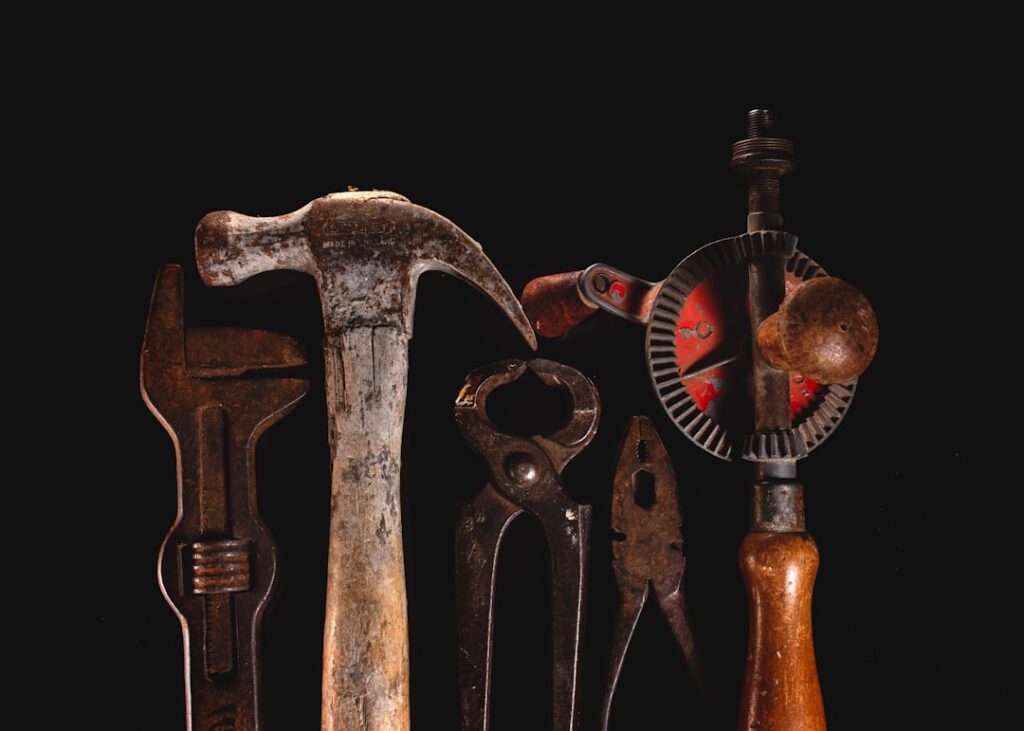
Blacksmithing is an ancient craft that has stood the test of time, evolving from a necessity in daily life to a respected art form.
The rhythmic sound of hammer striking metal, the glow of the forge, and the transformation of raw materials into functional and artistic pieces all contribute to the allure of this age-old practice.
For many, blacksmithing is not just a profession; it is a passion that connects us to our ancestors and their craftsmanship. In recent years, there has been a resurgence of interest in blacksmithing, with more individuals seeking to learn the trade. This revival can be attributed to a growing appreciation for handmade goods and a desire to reconnect with traditional skills.
As we embark on this journey into blacksmithing, we will explore the essential tools, techniques, and safety measures that are crucial for anyone looking to forge their path in this fascinating craft. Whether we are aspiring blacksmiths or simply curious about the process, understanding the fundamentals will enrich our experience and deepen our appreciation for this timeless art.
Key Takeaways
- Blacksmithing is the art of shaping and forging metal to create various objects and tools.
- Basic tools and equipment for blacksmithing include a forge, anvil, hammer, tongs, and safety gear such as gloves and goggles.
- Safety precautions in blacksmithing include wearing protective gear, working in a well-ventilated area, and being mindful of hot metal and sharp tools.
- Basic techniques in blacksmithing involve heating metal in a forge, shaping it with a hammer on an anvil, and using various tools to create different forms.
- Understanding different types of metals is important in blacksmithing, as each metal has unique properties and requires different techniques for shaping and forging.
- Heating and forging metal is a crucial step in blacksmithing, requiring the use of a forge to heat the metal to a malleable state before shaping and forming it.
- Shaping and forming metal involves using hammers, tongs, and other tools to manipulate the heated metal into the desired shape and form.
- Finishing and protecting the final product in blacksmithing involves techniques such as quenching, tempering, and applying protective coatings to ensure the durability and longevity of the finished piece.
Tools and Equipment Needed for Basic Blacksmithing
To begin our blacksmithing journey, we must first familiarize ourselves with the essential tools and equipment that will aid us in our craft. At the heart of blacksmithing is the forge, which serves as our primary heat source. Traditional forges can be fueled by coal or charcoal, while modern alternatives may utilize propane or natural gas.
Regardless of the type we choose, the forge is where we will heat our metal to a malleable state, allowing us to shape it with precision. In addition to the forge, we will need an anvil, which acts as a sturdy surface for hammering and shaping hot metal. The anvil’s weight and design are crucial; it should be heavy enough to absorb the force of our hammer strikes while providing a flat surface for our work.
Alongside these two primary tools, we will also require a variety of hammers, tongs, and chisels. Hammers come in different shapes and sizes, each serving a specific purpose in the forging process. Tongs are equally important, as they allow us to grip hot metal safely without burning ourselves.
As we gather these tools, we will begin to appreciate how each one plays a vital role in our blacksmithing endeavors.
Safety Precautions in Blacksmithing
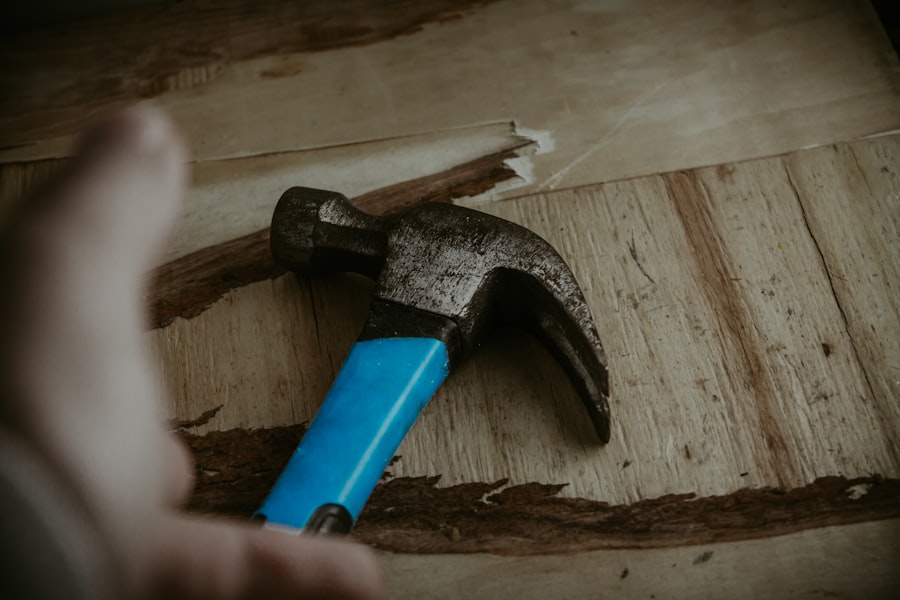
As we immerse ourselves in the world of blacksmithing, it is imperative that we prioritize safety at all times. The nature of this craft involves working with high temperatures and heavy equipment, which can pose significant risks if proper precautions are not taken. First and foremost, we must equip ourselves with appropriate personal protective gear (PPE). This includes safety glasses to shield our eyes from flying sparks and debris, heat-resistant gloves to protect our hands from burns, and sturdy boots to safeguard our feet from falling objects. Moreover, we should always work in a well-ventilated area to avoid inhaling harmful fumes produced during the forging process.
It is also wise to keep a fire extinguisher nearby, as the risk of fire is ever-present when working with hot materials. By establishing a safe workspace and adhering to these precautions, we can focus on honing our skills without compromising our well-being. Safety should never be an afterthought; it must be an integral part of our blacksmithing practice.
Basic Techniques in Blacksmithing
| Technique | Description |
|---|---|
| Forging | The process of shaping metal using localized compressive forces. |
| Annealing | Heating and then slowly cooling a material to remove internal stresses and toughen it. |
| Quenching | Rapidly cooling a heated metal to increase its hardness. |
| Tempering | Heating and then cooling a metal to increase its toughness and reduce brittleness. |
| Welding | Joining two pieces of metal together by heating and hammering or using pressure, or by using a filler material. |
Once we have established our workspace and gathered our tools, we can begin to explore the fundamental techniques that define blacksmithing. One of the first skills we will learn is how to properly heat metal in the forge. Achieving the right temperature is crucial; if the metal is too cold, it will be difficult to shape, while overheating can lead to oxidation and loss of material properties.
We will soon discover that mastering this balance is key to successful forging. After heating the metal, we will employ various hammering techniques to shape it according to our design. Techniques such as drawing out (lengthening the metal), upsetting (thickening one end), and bending will become second nature as we practice.
Each technique requires a different approach and understanding of how metal responds to force when heated. As we gain confidence in these basic techniques, we will find ourselves able to create increasingly complex shapes and designs, paving the way for more advanced projects.
Understanding Different Types of Metals
As we delve deeper into blacksmithing, it becomes essential for us to understand the different types of metals available for forging. Each metal possesses unique properties that influence its workability and final characteristics. For instance, mild steel is often favored by beginners due to its malleability and ease of use.
It can be shaped easily when heated and is less prone to cracking compared to harder steels. On the other hand, high-carbon steel offers greater strength and hardness but requires more skill to work with effectively. Understanding these differences allows us to select the appropriate material for our projects based on desired outcomes.
Additionally, we may explore other metals such as wrought iron or even non-ferrous metals like copper and aluminum as we expand our repertoire. Each type of metal presents its own challenges and rewards, enriching our experience as blacksmiths.
Heating and Forging Metal

The Importance of Color
As we place our chosen metal into the forge, we must closely monitor its color; it will transition to bright orange and eventually to a yellowish hue as it reaches the optimal forging temperature. This visual cue is essential for us to recognize when the metal is ready for manipulation.
Shaping the Metal
Once heated adequately, we can remove the metal from the forge using tongs and place it on the anvil. With our hammer in hand, we begin striking the metal with controlled force, applying techniques we’ve learned previously. The sound of hammer meeting metal resonates through the workshop as we shape our piece into its intended form.
Patience and Practice
This process requires patience and practice; each strike must be deliberate and purposeful as we work toward achieving our desired outcome.
Shaping and Forming Metal
Shaping and forming metal is where our creativity truly comes into play as blacksmiths. With each strike of the hammer, we have the opportunity to bring our vision to life. We can create functional items such as hooks or tools or delve into artistic endeavors like sculptures or decorative pieces.
The possibilities are limited only by our imagination and skill level. As we continue practicing our techniques, we will learn how to manipulate metal in various ways—bending it into curves or twisting it into intricate designs. We may also explore techniques such as punching holes or adding decorative elements through chiseling or engraving.
Each project presents its own set of challenges that push us to refine our skills further while allowing us to express ourselves artistically through our work.
Finishing and Protecting the Final Product
After investing time and effort into shaping our metal piece, it is essential that we take steps to finish and protect it properly. The finishing process not only enhances the aesthetic appeal of our work but also ensures its durability over time. We may begin by cleaning any scale or oxidation from the surface using a wire brush or grinder, revealing the true beauty of the metal beneath.
Options include applying oil or wax for protection against rust or using paints or patinas for decorative effects. Each finish offers unique characteristics that can enhance both functionality and appearance.
By taking these final steps seriously, we ensure that our creations not only look stunning but also stand the test of time. In conclusion, blacksmithing is a multifaceted craft that combines artistry with technical skill. As we embark on this journey together, we have explored essential tools, safety precautions, techniques, types of metals, heating methods, shaping processes, and finishing touches that contribute to successful blacksmithing endeavors.
With dedication and practice, we can continue honing our skills while creating beautiful pieces that reflect both tradition and innovation in this timeless art form.
If you are interested in learning more about basic blacksmithing, be sure to check out the article on Far Hills Forge. This website offers valuable resources and information for beginners looking to get started in the craft of blacksmithing. Whether you are interested in creating tools, decorative items, or even weapons, Far Hills Forge has you covered with step-by-step guides and tips to help you hone your skills.