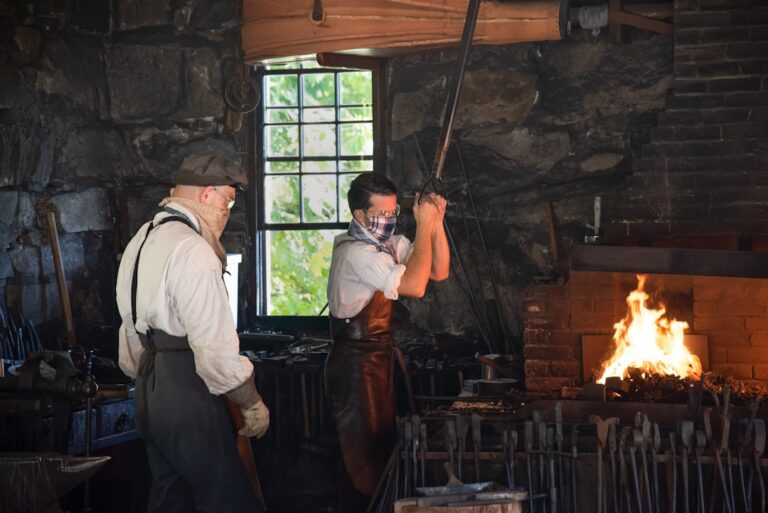
Blacksmithing is an ancient craft that has captivated artisans and hobbyists alike for centuries. As we delve into the world of blacksmithing, we find ourselves drawn to the rhythmic sounds of hammer striking metal, the mesmerizing dance of flames, and the transformative power of heat. This age-old practice not only allows us to create functional tools and beautiful art pieces but also connects us to a rich history of craftsmanship that has shaped human civilization.
From the forging of weapons in medieval times to the creation of intricate decorative items today, blacksmithing embodies a blend of artistry and practicality that continues to inspire us. As we embark on our blacksmithing journey, we discover that it is more than just a trade; it is a form of expression. Each piece we create tells a story, reflecting our skills, creativity, and personal style.
Whether we are crafting a simple hook or an elaborate sculpture, the process of shaping metal with our own hands fosters a sense of accomplishment and pride. In this article, we will explore the essential aspects of blacksmithing, from setting up our own backyard forge to troubleshooting common issues, ensuring that we are well-equipped to embark on this rewarding path.
Key Takeaways
- Blacksmithing is a traditional craft that involves shaping metal using heat and tools.
- Setting up a backyard forge requires careful consideration of space, ventilation, and safety measures.
- Essential tools for blacksmithing include a forge, anvil, hammer, tongs, and safety gear such as gloves and goggles.
- Basic blacksmithing techniques include heating, shaping, and cooling metal to create various objects.
- Choosing the right materials for blacksmithing involves understanding the properties of different metals and their suitability for specific projects.
- Simple projects for beginners in blacksmithing include making hooks, knives, and decorative items.
- Common issues in blacksmithing include metal not heating evenly, tools not working properly, and safety hazards.
- Resources for further learning about blacksmithing include books, online tutorials, workshops, and joining blacksmithing communities.
Setting up a Backyard Forge
Choosing the Right Location
Ideally, we should choose a spot that is well-ventilated and away from flammable materials. A flat, stable surface is essential for our anvil and tools, allowing us to work efficiently and safely.
Types of Forges
There are various types of forges we can build or purchase, ranging from simple coal forges to more advanced propane or electric forges. Each type has its advantages and disadvantages, so we should evaluate our needs and budget before making a decision.
Ensuring Proper Functionality
Regardless of the type we choose, ensuring proper airflow and temperature control will be crucial for effective metalworking.
Essential Tools and Safety Gear

Equipping ourselves with the right tools is vital for successful blacksmithing. As we gather our essential tools, we will find that each one plays a specific role in the forging process. The most fundamental tool is the hammer, which comes in various shapes and sizes for different tasks.
Additionally, tongs are indispensable for holding hot metal safely; investing in a few different styles will enhance our versatility in the workshop.
Safety gear is equally important as we embark on our blacksmithing journey. Working with hot metal poses inherent risks, so we must prioritize our safety at all times. A sturdy pair of leather gloves will protect our hands from burns and cuts, while safety glasses shield our eyes from flying sparks and debris.
An apron made from leather or heavy canvas can provide an extra layer of protection against heat and sharp edges.
Basic Blacksmithing Techniques
| Technique | Description |
|---|---|
| Forging | The process of shaping metal using heat and force. |
| Annealing | Heating and then cooling metal to make it more workable. |
| Quenching | Rapidly cooling hot metal to increase its hardness. |
| Tempering | Heating and then cooling metal to reduce its hardness and brittleness. |
| Welding | Joining two pieces of metal together using heat and/or pressure. |
As we begin to explore basic blacksmithing techniques, we will find that practice is key to mastering this craft. One of the foundational techniques is drawing out, which involves elongating a piece of metal by hammering it while it is heated. This technique allows us to create hooks, nails, and other elongated shapes.
Another essential technique is upsetting, where we increase the thickness of a section of metal by hammering it down on itself. This method is particularly useful for creating heads on nails or decorative elements. Twisting is another captivating technique that adds visual interest to our projects.
By heating a piece of metal and then using tongs to twist it, we can create intricate patterns that enhance the aesthetic appeal of our work. Additionally, learning how to properly heat metal is crucial; understanding the color changes in steel as it heats will help us determine when it is ready for forging. As we practice these techniques, we will develop a deeper understanding of how metal responds to heat and force, allowing us to create increasingly complex pieces.
Choosing the Right Materials
Selecting the right materials is a critical aspect of blacksmithing that can significantly impact the quality of our finished products. Steel is the most common material used in blacksmithing due to its versatility and strength. However, not all steel is created equal; different grades have varying properties that affect their workability and final characteristics.
For beginners, mild steel is an excellent choice as it is easy to forge and weld while being readily available at most hardware stores. In addition to steel, we may also want to experiment with other materials such as wrought iron or high-carbon steel for specific projects. Wrought iron offers unique aesthetic qualities due to its fibrous structure, making it ideal for decorative items.
High-carbon steel, on the other hand, can be hardened through heat treatment, making it suitable for tools that require sharp edges. As we gain experience in selecting materials, we will learn how each type influences our work and how to choose the best option for our intended projects.
Creating Simple Projects

Once we have familiarized ourselves with basic techniques and materials, it’s time to put our skills into practice by creating simple projects. Starting with straightforward designs allows us to build confidence while honing our craftsmanship. A classic beginner project is making a simple hook; this project teaches us essential skills such as drawing out and bending metal while resulting in a functional item that can be used around the house.
Another great project for beginners is crafting a small decorative item like a keychain or a simple pendant. These projects allow us to experiment with different techniques such as twisting or texturing while providing an opportunity to express our creativity. As we complete these initial projects, we will gain valuable experience that will serve as a foundation for tackling more complex designs in the future.
Troubleshooting Common Issues
As with any craft, challenges are bound to arise during our blacksmithing journey. Recognizing common issues and knowing how to troubleshoot them will help us overcome obstacles and improve our skills. One frequent problem is overheating the metal; if we notice that the metal becomes too soft or loses its shape during forging, it may be an indication that we need to adjust our heating technique or temperature control.
Another common issue is improper hammer technique, which can lead to uneven surfaces or unwanted distortions in our workpiece. To address this, we should focus on developing a consistent striking pattern and using the appropriate amount of force for each task. Additionally, if we encounter difficulties with welding or joining pieces together, reviewing our heating methods and ensuring proper alignment can often resolve these issues.
By learning to identify and troubleshoot these common problems, we will become more adept at navigating the challenges of blacksmithing.
Resources for Further Learning
As we continue on our blacksmithing journey, seeking out additional resources can greatly enhance our knowledge and skills. Numerous books are available that cover everything from basic techniques to advanced projects; these texts often include illustrations and step-by-step instructions that can guide us through various processes. Online platforms also offer a wealth of information through instructional videos and tutorials created by experienced blacksmiths.
Joining local blacksmithing clubs or workshops can provide invaluable hands-on experience while allowing us to connect with fellow enthusiasts who share our passion for the craft. Engaging with online forums or social media groups dedicated to blacksmithing can also foster community support and provide opportunities for sharing tips and advice. By actively seeking out resources and engaging with others in the blacksmithing community, we can continue to grow as artisans while deepening our appreciation for this timeless craft.
In conclusion, blacksmithing offers us a unique blend of creativity and craftsmanship that has stood the test of time. By setting up a backyard forge, equipping ourselves with essential tools and safety gear, mastering basic techniques, choosing appropriate materials, creating simple projects, troubleshooting common issues, and seeking further learning opportunities, we can embark on an enriching journey into this ancient art form. As we strike the anvil and shape hot metal into beautiful creations, we not only connect with history but also discover a fulfilling outlet for our creativity and skill development.
If you are interested in backyard blacksmithing, you may also enjoy reading the article “Getting Started with Blacksmithing: A Beginner’s Guide” on Far Hills Forge’s website. This article provides valuable information for those looking to begin their journey into the world of blacksmithing from the comfort of their own backyard. It covers essential tools, safety tips, and basic techniques to help you get started on your blacksmithing adventure.