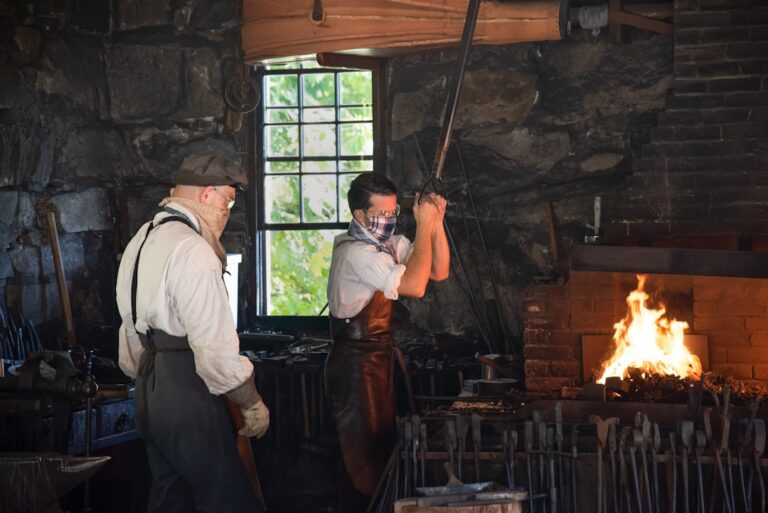
Blacksmithing, an ancient craft that has shaped human civilization, traces its roots back to the Iron Age, around 1200 BCE. As we delve into the history of blacksmithing, we find that it began with the discovery of iron and the development of techniques to manipulate this versatile metal. Early blacksmiths were revered for their ability to forge tools, weapons, and various implements that were essential for survival.
They played a crucial role in their communities, often regarded as both artisans and alchemists, transforming raw materials into objects of utility and beauty. As we explore further, we see that blacksmithing evolved significantly over the centuries. The craft flourished during the Middle Ages, particularly in Europe, where blacksmiths became integral to the feudal system.
They not only produced weapons for knights and armor for soldiers but also crafted everyday items such as horseshoes, nails, and cooking utensils. The rise of guilds in the late medieval period formalized the trade, establishing standards and training for apprentices. This period marked a golden age for blacksmithing, as the skills and techniques were passed down through generations, ensuring the craft’s survival and adaptation.
Key Takeaways
- Blacksmithing has a long history dating back to ancient times, with evidence of metalworking found in various cultures around the world.
- Traditional blacksmithing declined with the advent of industrialization and mass production, leading to a loss of interest in the craft.
- There has been a revival of interest in blacksmithing in recent years, with more people seeking to learn and practice traditional techniques.
- Traditional blacksmithing techniques are important for preserving cultural heritage and craftsmanship, as well as for creating high-quality, durable metalwork.
- Modern applications of blacksmithing include architectural ironwork, custom furniture, and artistic metal sculptures, showcasing the versatility of the craft in contemporary settings.
The Decline of Traditional Blacksmithing
Despite its rich history, traditional blacksmithing faced a significant decline with the advent of the Industrial Revolution in the 18th and 19th centuries. As we reflect on this period, we recognize that mass production and mechanization transformed many trades, including blacksmithing. Factories began to produce metal goods at an unprecedented scale, rendering handcrafted items less desirable and economically viable.
The once-bustling forges that dotted the landscape began to close their doors as demand shifted toward cheaper, machine-made products. Moreover, societal changes contributed to this decline. As urbanization took hold, many skilled artisans left their rural workshops in search of factory jobs in cities.
The intimate connection between blacksmiths and their communities weakened, leading to a loss of traditional knowledge and techniques. By the mid-20th century, blacksmithing had become a niche craft, practiced by a dwindling number of artisans who struggled to keep the flame of this ancient trade alive amidst a rapidly changing world.
The Revival of Interest in Blacksmithing

In recent years, we have witnessed a remarkable revival of interest in blacksmithing, fueled by a growing appreciation for handmade craftsmanship and sustainable practices. As we navigate through this resurgence, we find that many individuals are drawn to blacksmithing as a means of reconnecting with traditional skills and creating unique, personalized items. Workshops and classes have sprung up across the globe, offering enthusiasts the opportunity to learn the art of forging metal and to experience the satisfaction of creating something with their own hands. This revival is not merely about nostalgia; it reflects a broader cultural shift towards valuing artisanal work in an age dominated by mass production. We see a new generation of blacksmiths emerging, eager to blend traditional techniques with contemporary design sensibilities.
Social media platforms have played a pivotal role in this movement, allowing artisans to showcase their work and connect with like-minded individuals. As we engage with these communities online, we can appreciate how they foster collaboration and innovation within the craft.
The Importance of Traditional Blacksmithing Techniques
| Traditional Blacksmithing Techniques | Importance |
|---|---|
| Preservation of Heritage | Passing down ancient knowledge and skills |
| Quality Craftsmanship | Creating durable and unique metalwork |
| Sustainability | Using traditional methods and materials |
| Cultural Significance | Contributing to artistic and historical traditions |
As we delve deeper into the significance of traditional blacksmithing techniques, we recognize that they are not just relics of the past but vital skills that inform modern practices. The foundational methods developed over centuries—such as forging, welding, and heat treatment—remain essential for producing high-quality metalwork today. By mastering these techniques, we ensure that the artistry and functionality of blacksmithing endure.
This understanding fosters a deeper connection to our work and encourages us to respect the materials we use.
In an era where fast fashion dominates, embracing traditional blacksmithing techniques allows us to create lasting pieces that tell a story and carry the weight of history.
Modern Applications of Blacksmithing
In today’s world, blacksmithing has found its place in various modern applications beyond traditional tool-making. As we explore these contemporary uses, we discover that blacksmiths are increasingly involved in architectural design, creating stunning metalwork for buildings and public spaces. From decorative railings to intricate sculptures, blacksmiths contribute to the aesthetic appeal of our environments while ensuring structural integrity.
Additionally, blacksmithing has made significant strides in the culinary world. We see chefs embracing handcrafted knives and cookware that enhance their culinary experiences. The resurgence of interest in artisanal food production has led to collaborations between blacksmiths and chefs, resulting in unique kitchen tools that reflect both functionality and artistry.
As we witness this intersection of craft and cuisine, it becomes clear that blacksmithing continues to evolve while remaining rooted in its historical significance.
The Role of Blacksmithing in Contemporary Art

As we examine the role of blacksmithing in contemporary art, we find that it has become a medium for self-expression and innovation among artists. Many contemporary sculptors incorporate blacksmithing techniques into their work, using metal as a canvas to explore themes ranging from nature to social commentary. This fusion of art and craftsmanship allows for a dynamic dialogue between tradition and modernity.
Moreover, blacksmithing as an art form challenges our perceptions of metalwork. Artists push the boundaries of what can be created with forged metal, experimenting with form, texture, and scale. As we engage with these works, we are invited to reconsider our relationship with materials and craftsmanship.
The tactile nature of forged metal evokes a sense of connection to both the artist’s hand and the history embedded within the medium itself.
The Future of Traditional Blacksmithing
Looking ahead, we find ourselves at a crossroads regarding the future of traditional blacksmithing. While challenges remain—such as competition from mass-produced goods and the need for skilled artisans—the revival of interest in handmade craftsmanship offers hope for the craft’s sustainability. As more individuals seek out authentic experiences and unique products, there is potential for blacksmithing to thrive once again.
Furthermore, as technology continues to advance, we see opportunities for innovation within traditional practices. The integration of modern tools such as plasma cutters or CNC machines can complement traditional forging techniques without overshadowing them. By embracing both heritage and innovation, we can ensure that blacksmithing remains relevant in an ever-changing world while honoring its rich history.
Resources for Learning Traditional Blacksmithing
For those interested in embarking on their own journey into traditional blacksmithing, numerous resources are available to guide us along the way. Local community colleges often offer courses in metalworking or blacksmithing that provide hands-on experience under the guidance of skilled instructors. Additionally, many dedicated workshops and studios host classes ranging from beginner to advanced levels.
Online platforms also serve as valuable resources for aspiring blacksmiths. Websites like YouTube feature countless tutorials from experienced artisans sharing their techniques and insights. Social media groups focused on blacksmithing provide forums for discussion, advice, and inspiration from fellow enthusiasts around the globe.
By tapping into these resources, we can cultivate our skills while connecting with a vibrant community passionate about preserving this timeless craft. In conclusion, as we reflect on the journey of blacksmithing—from its historical roots to its modern applications—we recognize its enduring significance in our lives today. By embracing traditional techniques while exploring new possibilities within the craft, we can ensure that blacksmithing continues to forge connections between past and present for generations to come.
If you are interested in learning more about traditional blacksmithing techniques, you may want to check out the article “Hello World” on Far Hills Forge. This website offers a wealth of information on the art of blacksmithing, including tips, tutorials, and resources for beginners and experienced smiths alike. Whether you are looking to start your own forge or simply want to learn more about this ancient craft, Far Hills Forge is a valuable resource for all things blacksmithing.