
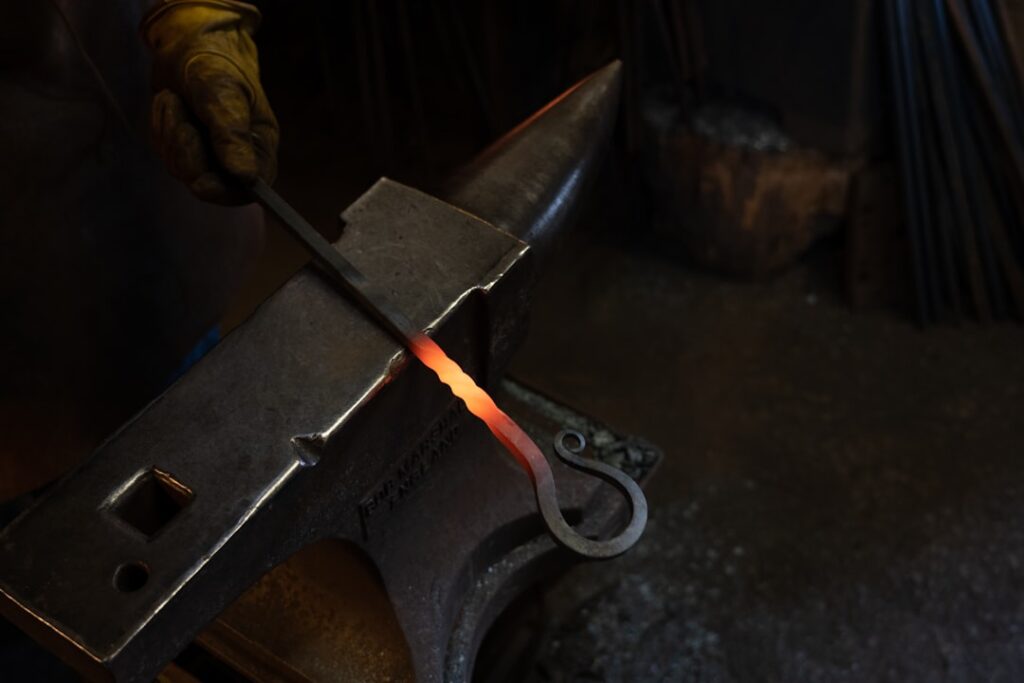
Heating steel is a fundamental process in metallurgy that plays a crucial role in shaping and enhancing the properties of this versatile material. As I delve into the world of steel heating, I find it fascinating how this process not only influences the physical characteristics of steel but also its performance in various applications. Steel, an alloy primarily composed of iron and carbon, undergoes significant transformations when subjected to heat. The right heating techniques can improve its ductility, toughness, and overall strength, making it suitable for a wide range of industries, from construction to automotive manufacturing.
In my exploration of heating steel, I have come to appreciate the intricate balance between temperature, time, and the specific heating method employed. Each of these factors can dramatically alter the final properties of the steel. As I reflect on the traditional methods that have been used for decades, I recognize the importance of innovation in this field. The quest for more efficient and effective heating techniques has led to groundbreaking discoveries that promise to revolutionize how we approach steel processing.
In addition to “This One Lesson Changed How I Heat Steel,” readers may find the article “Forging Ahead: The Art of Medieval Forges” particularly insightful. This piece delves into the historical techniques and innovations that shaped blacksmithing practices during the medieval period, offering a fascinating context for modern methods. To explore this intriguing topic further, you can read the article here: Forging Ahead: The Art of Medieval Forges.
Key Takeaways
- Traditional steel heating methods have limitations in efficiency and quality control.
- A new heating technique has been discovered that improves the steel heating process.
- This technique enhances steel quality and strength significantly.
- Implementing the new method results in notable cost and time savings.
- The innovation promises future advancements in steel manufacturing and applications.
Traditional Methods of Heating Steel
Historically, the heating of steel has relied on several traditional methods, each with its own set of advantages and limitations. One of the most common techniques is the use of furnaces, where steel is heated in a controlled environment. These furnaces can be fueled by gas, electricity, or even coal, depending on the desired outcome and available resources. As I consider the intricacies of furnace heating, I realize that while it has been effective for many applications, it often requires significant energy consumption and time.
Another traditional method that comes to mind is induction heating. This technique utilizes electromagnetic fields to generate heat within the steel itself. I find it remarkable how induction heating can provide rapid and localized heating, allowing for precise control over the temperature and minimizing heat loss. However, despite its advantages, induction heating systems can be costly to implement and maintain, which may deter some manufacturers from adopting this method. As I reflect on these traditional approaches, I recognize that while they have served us well, there is always room for improvement and innovation in the quest for more efficient heating solutions.
The Discovery of a New Heating Technique
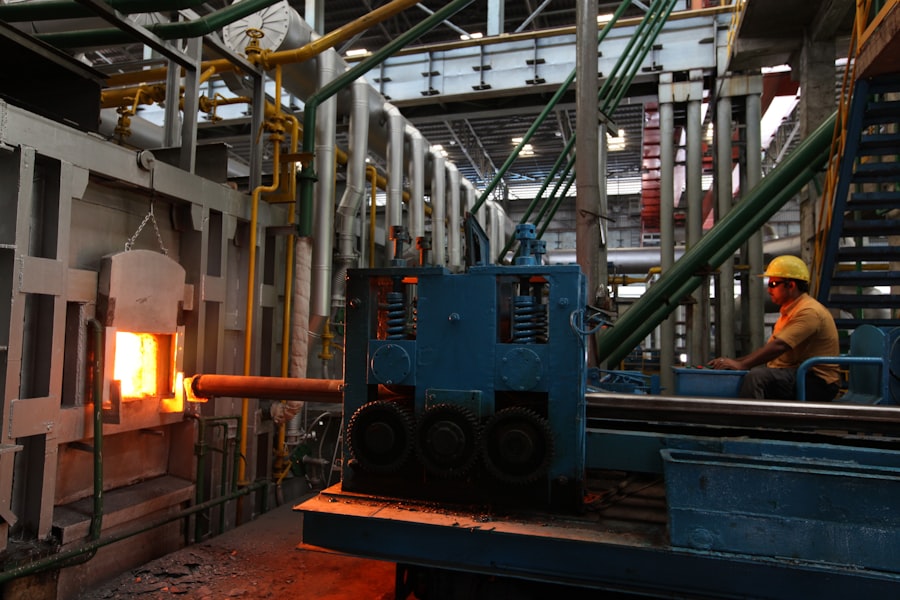
In recent years, I have been captivated by the emergence of a new heating technique that promises to change the landscape of steel processing. This innovative method combines advanced technologies with a deeper understanding of material science to achieve superior results. The discovery was born out of a need for more efficient heating processes that could reduce energy consumption while enhancing the quality of the final product. As I learned more about this technique, I was struck by its potential to address some of the longstanding challenges faced by traditional methods.
The new heating technique employs a combination of high-frequency electromagnetic waves and controlled atmospheric conditions to heat steel more uniformly and rapidly than ever before.
This approach not only reduces the time required for heating but also minimizes the risk of overheating or uneven temperature distribution.
As I reflect on this breakthrough, I am excited about the possibilities it presents for manufacturers seeking to improve their processes and product quality. The integration of cutting-edge technology into steel heating represents a significant leap forward in our ability to manipulate materials at a fundamental level.
The Benefits of the New Heating Technique

The benefits of this new heating technique are manifold and extend beyond mere efficiency gains. One of the most significant advantages is the enhanced control it offers over the heating process. With precise temperature regulation and uniform heat distribution, manufacturers can achieve consistent results across batches, reducing variability in product quality. As I consider the implications of this level of control, I realize how it can lead to improved performance characteristics in finished steel products.
Moreover, this innovative technique has the potential to reduce energy consumption significantly. By optimizing the heating process and minimizing waste, manufacturers can lower their operational costs while also contributing to sustainability efforts. As someone who values environmental responsibility, I find it encouraging that advancements in technology can lead to both economic and ecological benefits. The ability to produce high-quality steel with less energy not only enhances profitability but also aligns with global efforts to reduce carbon footprints in industrial processes.
In exploring the transformative techniques in blacksmithing, one can gain further insight by reading about the historical context of the craft in the article on 18th-century blacksmithing. This piece delves into the evolution of forging methods and the significant advancements that shaped the industry. Understanding these historical developments can enhance your appreciation for modern techniques, including the lesson on heating steel that has proven to be so impactful.
For more information, check out this fascinating article on { lazyloadBackgroundObserver.observe( lazyloadBackground ); } ); }; const events = [ 'DOMContentLoaded', 'elementor/lazyload/observe', ]; events.forEach( ( event ) => { document.addEventListener( event, lazyloadRunObserver ); } );