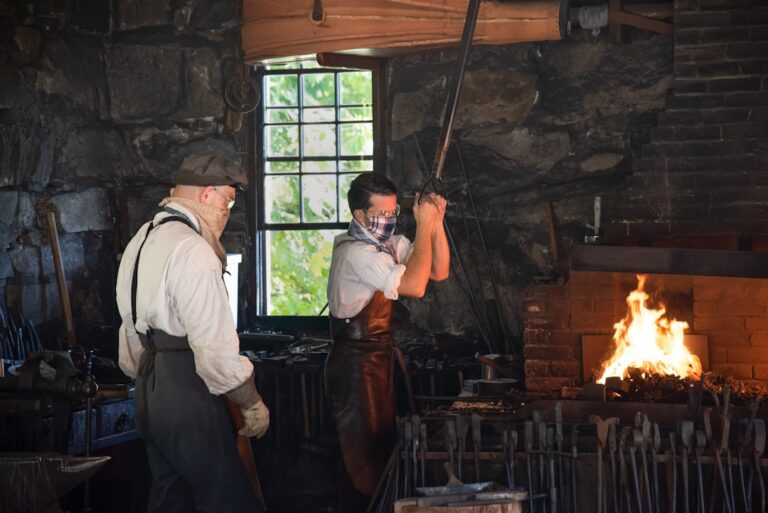
When I first embarked on my blacksmithing journey, the significance of safety measures quickly became apparent. The world of blacksmithing is not just about forging metal; it is also about understanding the inherent risks involved in working with high temperatures and heavy tools. I learned that safety should always be my top priority, as neglecting it could lead to serious injuries or accidents. Wearing protective gear, such as gloves, goggles, and aprons, became second nature to me. Each piece of equipment serves a purpose, shielding me from sparks, heat, and sharp edges that are commonplace in the forge.
Moreover, I discovered that safety measures extend beyond personal protection. It is crucial to maintain a clean and organized workspace to prevent accidents. I made it a habit to keep my tools in designated places and to ensure that the floor was free of debris. This not only helped me work more efficiently but also minimized the risk of tripping or dropping heavy objects. Understanding the importance of safety measures has not only protected me but has also instilled a sense of responsibility towards others who may share my workspace. By prioritizing safety, I have created an environment where creativity can flourish without the looming threat of injury.
If you’re intrigued by the journey of learning blacksmithing on your own, you might find the article titled “Reviving the Art of the Renaissance Blacksmith” particularly insightful.
This piece delves into the historical significance of blacksmithing during the Renaissance period and offers valuable tips for modern enthusiasts looking to hone their craft.
To explore this fascinating topic further, you can read the article here: Reviving the Art of the Renaissance Blacksmith.
Key Takeaways
- Prioritize safety to prevent accidents and injuries in blacksmithing.
- Use trustworthy resources to build a solid foundation of knowledge.
- Create a well-organized workspace that supports safe and efficient work.
- Cultivate patience and learn through practice and mistakes.
- Engage with experienced blacksmiths and commit to ongoing learning.
Finding Reliable Resources and References
As I delved deeper into blacksmithing, I realized that having access to reliable resources and references was essential for my growth. Initially, I relied on books and online tutorials to grasp the fundamentals of the craft. I found that some resources were more beneficial than others, and it took time to sift through the vast amount of information available. I learned to look for materials authored by experienced blacksmiths who shared their knowledge through detailed explanations and practical examples. These resources became my guiding light, helping me navigate the complexities of techniques and tools.
In addition to books and online content, I discovered the value of community resources. Joining local blacksmithing clubs and forums allowed me to connect with fellow enthusiasts who shared their insights and experiences. Engaging with others in the field provided me with a wealth of knowledge that I could not have obtained on my own. I found that attending workshops and demonstrations offered hands-on experience that complemented my theoretical understanding. By actively seeking out reliable resources and references, I was able to build a solid foundation in blacksmithing that would support my ongoing development.
Understanding the Basics of Blacksmithing

Understanding the basics of blacksmithing was a crucial step in my journey. Initially, I was overwhelmed by the array of tools and techniques available, but I soon realized that mastering the fundamentals was key to my success. I began by familiarizing myself with essential tools such as hammers, anvils, tongs, and forges. Each tool has its specific purpose, and learning how to use them effectively laid the groundwork for more advanced techniques. I spent countless hours practicing basic skills like drawing out metal, bending, and twisting, which helped me develop a feel for the material.
As I progressed, I also learned about different types of metals and their properties. Understanding how various alloys respond to heat and pressure allowed me to make informed decisions when selecting materials for my projects. This knowledge not only enhanced my technical skills but also sparked my creativity as I began to envision unique designs. By taking the time to understand the basics of blacksmithing, I built a strong foundation that would support my growth as a craftsman.
Setting Up a Safe and Functional Workspace

Creating a safe and functional workspace was one of the most rewarding aspects of my blacksmithing journey. When I first started, my setup was haphazard at best, with tools scattered around and little thought given to organization. However, as I gained experience, I recognized that an efficient workspace could significantly enhance my productivity and safety. I took the time to design a layout that allowed for easy access to tools while ensuring that everything was within reach when needed.
I invested in sturdy workbenches and storage solutions that kept my tools organized and off the ground. Additionally, I made sure to have proper ventilation in my workspace to mitigate the effects of smoke and fumes generated during forging. This attention to detail not only improved my working conditions but also fostered a sense of pride in my craft. A well-organized workspace became a reflection of my commitment to blacksmithing, allowing me to focus on honing my skills without unnecessary distractions.
If you’re delving into the world of blacksmithing on your own, you might find it helpful to explore the historical context of the craft. An insightful article titled “Forging a Nation: Colonial Blacksmiths” provides a fascinating look at how blacksmiths played a crucial role in early American society. Understanding the roots of blacksmithing can enhance your appreciation for the skills you’re developing. You can read more about this topic here.
Developing Patience and Perseverance
One of the most valuable lessons I learned throughout my blacksmithing journey was the importance of patience and perseverance. In a craft that requires precision and skill, it is easy to become frustrated when things do not go as planned. There were times when a project did not turn out as envisioned or when I struggled to master a particular technique. However, instead of giving up, I learned to embrace these challenges as opportunities for growth. Each setback became a stepping stone toward improvement.
I found that developing patience allowed me to approach each project with a clear mind. Instead of rushing through tasks, I took the time to analyze what went wrong and how I could rectify it in future attempts. This mindset shift transformed my approach to blacksmithing; rather than viewing mistakes as failures, I began to see them as valuable learning experiences. By cultivating patience and perseverance, I not only improved my skills but also deepened my appreciation for the art of blacksmithing itself.
Learning from Trial and Error
Trial and error became an integral part of my blacksmithing education. As much as I sought guidance from books and experienced craftsmen, there were lessons that could only be learned through hands-on experience. Each time I attempted a new technique or project, I approached it with an open mind, ready to embrace whatever outcome awaited me. There were moments of triumph when everything came together perfectly, but there were also instances where things went awry.
I vividly remember one particular project where I attempted to create a decorative piece for my home. Despite following all the steps meticulously, the final product did not meet my expectations. Instead of feeling defeated, I took a step back and analyzed what had gone wrong. Through this process of reflection, I identified areas for improvement and made adjustments for future projects. Learning from trial and error not only honed my technical skills but also instilled in me a sense of resilience that has proven invaluable in all aspects of life.
Seeking Feedback and Guidance from Experienced Blacksmiths
As I continued on my blacksmithing journey, seeking feedback and guidance from experienced blacksmiths became an essential part of my growth. While self-study is valuable, there is no substitute for learning from those who have walked the path before me. I made it a point to attend workshops and demonstrations where seasoned craftsmen shared their expertise. Their insights provided me with new perspectives on techniques and approaches that I had not considered before.
Additionally, engaging with mentors allowed me to receive constructive criticism on my work. At first, it was daunting to share my creations with others, fearing judgment or rejection. However, I soon realized that feedback is a gift that can propel me forward in my craft. Experienced blacksmiths offered valuable suggestions that helped me refine my skills and encouraged me to push beyond my comfort zone. By actively seeking feedback and guidance from those more knowledgeable than myself, I accelerated my learning process and developed a deeper appreciation for the art form.
Embracing the Journey of Continuous Learning
Ultimately, embracing the journey of continuous learning has been one of the most rewarding aspects of my blacksmithing experience. The craft is ever-evolving, with new techniques and innovations emerging regularly. Rather than viewing learning as a destination, I have come to appreciate it as an ongoing process that enriches my practice. Each project presents an opportunity to explore new ideas and challenge myself creatively.
I have found joy in experimenting with different styles and techniques, allowing myself the freedom to make mistakes along the way. This mindset has opened doors to new possibilities within blacksmithing that I never thought possible. Whether it’s exploring traditional methods or incorporating modern technology into my work, each step along this journey has contributed to my growth as an artist. Embracing continuous learning has not only enhanced my skills but has also deepened my passion for blacksmithing—a craft that is as much about personal expression as it is about technique.
In conclusion, my journey into blacksmithing has been shaped by various factors—safety measures, reliable resources, foundational knowledge, workspace organization, patience, trial and error, mentorship, and an unwavering commitment to continuous learning. Each element has played a vital role in shaping who I am as a craftsman today. As I continue down this path, I remain excited about what lies ahead—new challenges to conquer, skills to master, and endless opportunities for creativity await me in this timeless art form.
FAQs
What are the basic tools needed to start learning blacksmithing alone?
To begin blacksmithing on your own, essential tools include a forge (coal, gas, or electric), an anvil, a hammer, tongs, and safety equipment such as gloves and eye protection. Additional tools like chisels, punches, and files can be acquired as skills develop.
Is it safe to learn blacksmithing without formal instruction?
While it is possible to learn blacksmithing alone, safety is paramount. Proper ventilation, protective gear, and understanding how to handle hot metal and tools are critical. Beginners should thoroughly research safety protocols and consider starting with small projects to minimize risks.
How can beginners learn blacksmithing techniques without a teacher?
Beginners can utilize online tutorials, instructional videos, books, and forums dedicated to blacksmithing. Practicing consistently and starting with simple projects helps build foundational skills. Joining online communities can also provide feedback and support.
What challenges might someone face when learning blacksmithing alone?
Common challenges include mastering tool handling, understanding metal properties, and developing proper techniques without direct feedback. Additionally, setting up a safe and functional workspace can be difficult. Patience and persistence are essential to overcome these obstacles.
How long does it typically take to become proficient in blacksmithing when self-taught?
The time to proficiency varies widely depending on dedication, practice frequency, and complexity of projects. Generally, consistent practice over several months to a few years is needed to develop solid skills. Continuous learning and experimentation are part of the process.