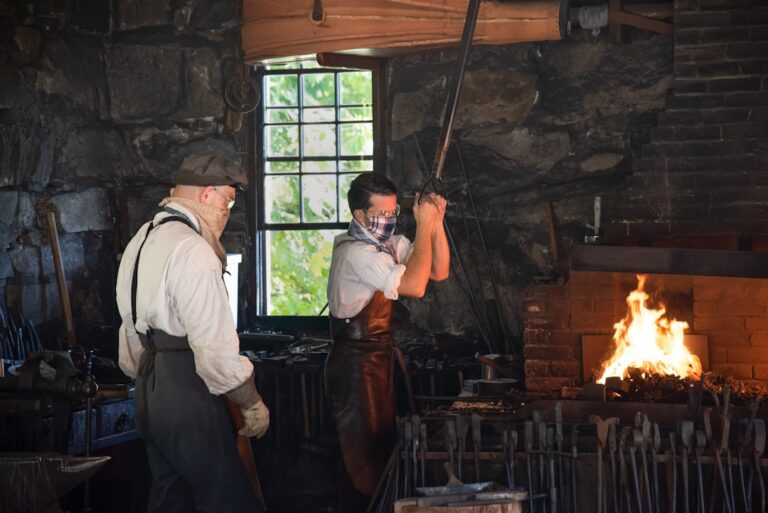
The Renaissance period, spanning from the 14th to the 17th century, marked a significant transformation in various fields, including art, science, and craftsmanship. Among the many skilled artisans of this era, blacksmiths played a crucial role in shaping the material culture of their time. As we delve into the history of the Renaissance blacksmith, we find that they were not merely metalworkers; they were innovators who contributed to advancements in technology and design.
Their work encompassed a wide range of products, from tools and weapons to intricate decorative pieces that showcased their artistry. During this period, blacksmithing evolved from a primarily utilitarian craft into a respected art form. The demand for iron and steel products surged as Europe experienced urbanization and increased trade.
Blacksmiths began to experiment with different techniques and styles, leading to the creation of more sophisticated tools and ornamental items. They were often seen as vital members of their communities, providing essential services while also engaging in artistic endeavors that reflected the changing tastes and values of society. The Renaissance blacksmith was a figure of both practicality and creativity, embodying the spirit of innovation that characterized the age.
Key Takeaways
- The Renaissance blacksmith played a crucial role in shaping the technological advancements and artistic achievements of the era.
- The decline of the blacksmithing trade was largely due to industrialization and the rise of mass production methods.
- There has been a revival of interest in traditional crafts, including blacksmithing, as people seek to reconnect with heritage and artisanal skills.
- Modern tools and techniques have enhanced the efficiency and precision of blacksmithing, while still preserving the traditional methods and aesthetics.
- The role of the blacksmith in contemporary society has expanded to include both functional and artistic contributions, with many blacksmiths creating custom pieces for clients.
The Decline of the Blacksmithing Trade
As we move into the Industrial Revolution in the 18th and 19th centuries, we witness a significant decline in traditional blacksmithing. The advent of mass production and mechanization transformed the landscape of manufacturing, rendering many artisanal crafts obsolete. Factories began to produce iron and steel goods at an unprecedented scale, leading to a decrease in demand for handcrafted items.
This shift not only affected blacksmiths but also altered the very fabric of society, as communities became increasingly reliant on industrial products rather than local craftsmanship. The decline of blacksmithing was not merely a matter of economic change; it also represented a cultural shift. As we embraced modernity, the appreciation for traditional skills diminished.
Many blacksmiths were forced to abandon their craft or adapt to new technologies that often stripped away the artistry and individuality of their work. The once-thriving blacksmith shops that dotted towns and villages began to disappear, leaving behind a legacy that was at risk of being forgotten. This decline marked a turning point in our relationship with craftsmanship, as we moved further away from the hands-on skills that had defined previous generations.
The Revival of Interest in Traditional Crafts

In recent years, we have witnessed a remarkable revival of interest in traditional crafts, including blacksmithing. As society grapples with the consequences of mass production and consumerism, many individuals are seeking to reconnect with artisanal skills that emphasize quality, craftsmanship, and sustainability. This resurgence is fueled by a growing appreciation for handmade goods and a desire to support local artisans who embody the values of creativity and authenticity. The revival of blacksmithing is not just about nostalgia; it represents a broader movement towards self-sufficiency and sustainability. As we become more aware of the environmental impact of industrial manufacturing, many are turning to traditional crafts as a way to create functional and beautiful items while minimizing waste. Workshops and classes dedicated to blacksmithing are popping up across the globe, attracting enthusiasts eager to learn the ancient techniques that have been passed down through generations.
This renewed interest is breathing new life into the craft, ensuring that the legacy of blacksmithing continues to thrive.
Modern Tools and Techniques for Blacksmithing
| Technique | Description |
|---|---|
| Forging | The process of shaping metal using localized compressive forces. |
| Tempering | Heating and cooling metal to achieve desired hardness and strength. |
| Welding | Joining metal pieces together by heating and hammering or using a filler material. |
| Grinding | Removing excess material and shaping metal using abrasive tools. |
| Heat Treating | Altering the physical and chemical properties of metal through heating and cooling processes. |
While traditional blacksmithing techniques remain at the core of the craft, modern tools and technologies have also made their way into the blacksmith’s workshop. Today’s blacksmiths benefit from advancements such as electric forges, power hammers, and plasma cutters, which allow for greater efficiency and precision in their work. These tools enable us to push the boundaries of creativity while still honoring the time-honored methods that define blacksmithing.
However, it is essential to recognize that modern tools do not replace the skill and artistry required in blacksmithing; rather, they enhance our capabilities. We can now experiment with new designs and techniques that were previously unimaginable. For instance, combining traditional forging methods with contemporary materials like stainless steel or titanium opens up exciting possibilities for innovation.
As we embrace these modern advancements, we remain committed to preserving the essence of blacksmithing as an art form that celebrates both tradition and progress.
The Role of the Blacksmith in Contemporary Society
In contemporary society, blacksmiths occupy a unique niche that bridges the gap between art and utility. They are not only craftsmen but also artists who create functional pieces that enhance our daily lives. From custom furniture and architectural elements to jewelry and sculpture, modern blacksmiths are redefining what it means to work with metal.
Their creations often reflect personal stories or cultural narratives, making each piece a testament to individual expression. Moreover, blacksmiths play an essential role in fostering community connections. Many artisans engage in collaborative projects or workshops that bring people together to learn about the craft.
By sharing their knowledge and skills, they inspire others to appreciate the value of handmade goods and the stories behind them.
The Artistry and Creativity of the Renaissance Blacksmith
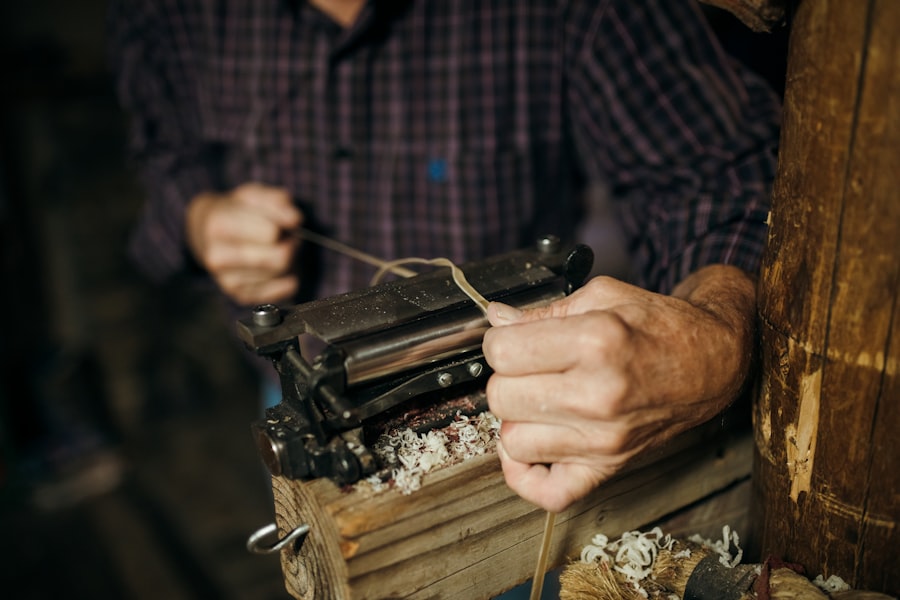
The Renaissance blacksmith was not just a tradesman; he was an artist whose work transcended mere functionality. The intricate designs found in wrought iron gates, decorative hardware, and armor from this period showcase an extraordinary level of craftsmanship that reflects both technical skill and artistic vision. As we explore this artistry further, we see how Renaissance blacksmiths drew inspiration from nature, mythology, and contemporary art movements to create pieces that were both beautiful and practical.
The creativity exhibited by these artisans was often a reflection of their social status and patronage. Wealthy clients commissioned elaborate works that demonstrated their taste and sophistication, while skilled blacksmiths took pride in their ability to transform raw materials into stunning creations. This interplay between art and commerce allowed for a flourishing of creativity that has left an indelible mark on our understanding of metalwork today.
As we appreciate these historical pieces, we recognize that they are not just artifacts; they are expressions of human ingenuity and artistic spirit.
Training and Education for Aspiring Blacksmiths
For those inspired by the legacy of blacksmithing, training and education are crucial steps toward mastering this ancient craft. Today’s aspiring blacksmiths have access to a variety of educational resources, ranging from formal apprenticeships to workshops offered by experienced artisans. These programs provide hands-on experience with traditional techniques while also introducing modern innovations that can enhance one’s skill set.
In addition to practical training, aspiring blacksmiths benefit from studying the history and theory behind their craft.
Many educational institutions now offer courses in metalworking that encompass both artistic design and technical proficiency, ensuring that future generations are well-equipped to carry on the legacy of this timeless craft.
Preserving and Honoring the Legacy of Renaissance Blacksmithing
As we reflect on the journey of blacksmithing from its Renaissance roots to its contemporary revival, it becomes clear that preserving this legacy is essential for future generations. Organizations dedicated to traditional crafts are working tirelessly to document techniques, promote education, and celebrate the artistry inherent in blacksmithing. By creating platforms for artisans to share their work and knowledge, we can ensure that this craft continues to thrive.
Moreover, honoring the legacy of Renaissance blacksmithing involves recognizing its cultural significance within our communities. By supporting local artisans and advocating for traditional crafts in our schools and public spaces, we can foster an appreciation for handmade goods that transcends mere consumerism. As we engage with this rich history, we not only celebrate the achievements of past blacksmiths but also inspire a new generation to explore the beauty and creativity found within this timeless craft.
Through our collective efforts, we can ensure that the artistry of blacksmithing remains alive for years to come.
If you are interested in learning more about the art of blacksmithing during the Renaissance period, you may want to check out the website Far Hills Forge. This site offers a wealth of information on traditional blacksmithing techniques and tools, as well as resources for those looking to get started in the craft. Their blog post titled “Hello World” provides a great introduction to the world of blacksmithing and the history behind this ancient trade.