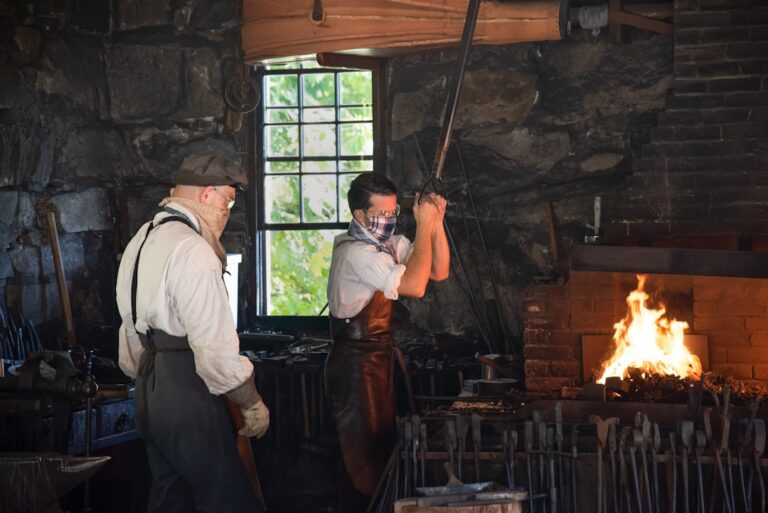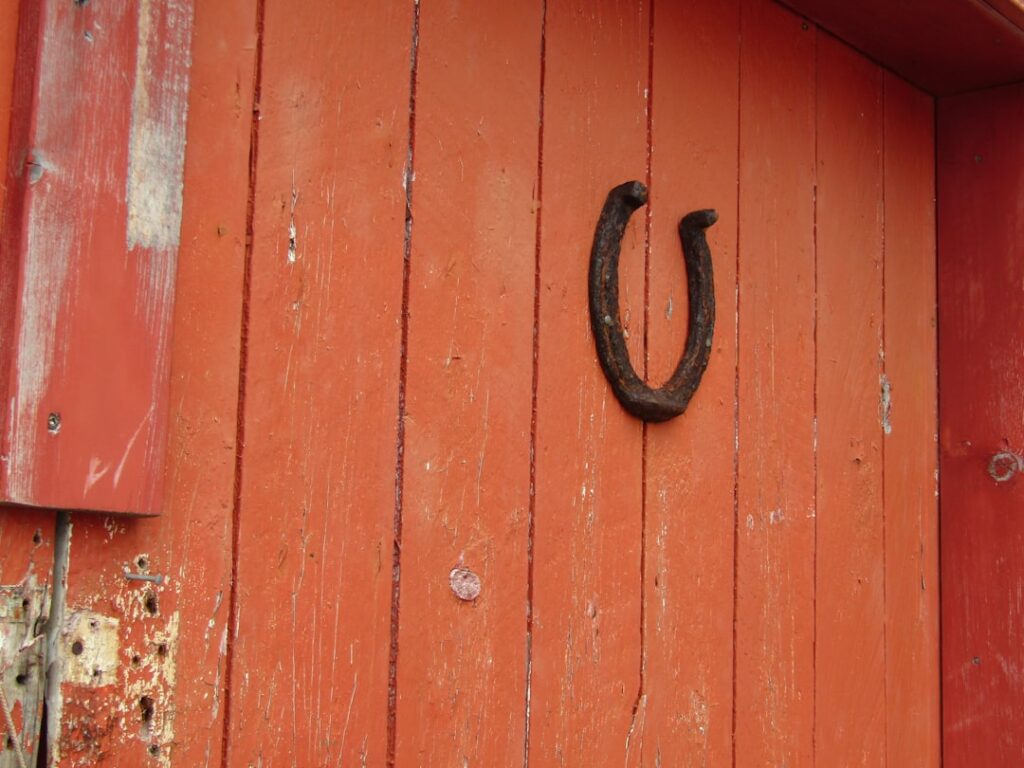
In the rugged landscape of the Old West, the blacksmith held a pivotal role that extended far beyond mere metalworking. As we delve into the dusty streets of frontier towns, we can see that blacksmiths were not just artisans; they were essential to the very fabric of daily life. Their forges served as community hubs where townsfolk gathered not only to have their horses shod or tools repaired but also to exchange news and stories.
The rhythmic sound of hammer striking anvil echoed through the air, symbolizing both labor and camaraderie. In a world where resources were scarce and survival depended on cooperation, the blacksmith became a linchpin in the community. Moreover, the blacksmith’s work was crucial for the development of infrastructure in these burgeoning settlements.
They crafted everything from horseshoes to wagon wheels, ensuring that transportation was efficient and reliable. Without the blacksmith’s expertise, the movement of goods and people would have been severely hampered. As we reflect on this era, it becomes clear that blacksmiths were not merely tradesmen; they were innovators who adapted their skills to meet the ever-changing needs of a growing society.
Key Takeaways
- The blacksmith played a crucial role in the Old West, providing essential services such as forging tools, weapons, and horseshoes.
- Legendary blacksmiths were skilled in techniques such as forging, welding, and shaping metal, using tools like anvils, hammers, and tongs.
- Blacksmiths were vital to frontier communities, as they provided the necessary tools and equipment for survival and development.
- Famous blacksmiths of the Old West, such as James Black and Samuel Colt, left a lasting impact on history with their contributions.
- The blacksmith’s work was instrumental in the expansion of the West, as they provided the tools needed for mining, farming, and construction.
The Skills and Techniques of the Legendary Blacksmith
The legendary blacksmith possessed a unique set of skills that combined artistry with practicality.
The process of forging metal was not just about brute strength; it required a deep understanding of materials and techniques.
From heating metal to precise temperatures to shaping it with hammers and tongs, every movement was deliberate and calculated. The blacksmith’s ability to create functional yet beautiful items was a testament to their craftsmanship. In addition to their technical skills, blacksmiths were also problem solvers.
They often faced challenges that required creative thinking and adaptability. For instance, when a farmer needed a custom tool for a specific task, the blacksmith would need to design and fabricate it on the spot, drawing on their extensive knowledge of metallurgy and mechanics. This blend of creativity and technical prowess set legendary blacksmiths apart from other tradespeople.
Their work was not merely transactional; it was an art form that reflected their dedication to their craft and their community.
The Importance of the Blacksmith in Frontier Communities

As we explore the significance of blacksmiths in frontier communities, we recognize that they were often among the first skilled tradespeople to settle in new territories. Their presence signified stability and progress, attracting other settlers who relied on their services. In many ways, the blacksmith was a beacon of hope in an uncertain world, providing essential tools and equipment that enabled families to thrive in harsh conditions.
The blacksmith’s shop became a gathering place where friendships were forged alongside iron, fostering a sense of belonging among residents. Furthermore, blacksmiths played a vital role in supporting local economies. By producing goods that were necessary for everyday life—such as farming implements, household items, and even weapons—they contributed to self-sufficiency within the community.
Their ability to repair and maintain equipment ensured that farms could operate efficiently, which was crucial for survival in the often unforgiving landscape of the West. As we consider the interconnectedness of these communities, it becomes evident that blacksmiths were not just service providers; they were integral to the very survival and growth of frontier life.
Famous Blacksmiths of the Old West
| Name | Location | Notable Works |
|---|---|---|
| James Black | Washington County, Arkansas | Designed the Bowie knife |
| Henry Clay Hooker | Arizona | Forged tools and weapons for cowboys and miners |
| Granville Stuart | Montana | Known for his skill in crafting horseshoes and repairing wagons |
Throughout history, certain blacksmiths have risen to prominence, leaving an indelible mark on the Old West. One such figure is John “Black Jack” McCall, known for his exceptional skills in creating intricate metalwork that adorned everything from horse gear to decorative pieces for wealthy patrons. His reputation spread far and wide, attracting clients from neighboring towns who sought his craftsmanship.
As we reflect on his legacy, we see how his work transcended mere utility; it became a symbol of status and artistry in an era defined by rugged individualism. Another notable blacksmith was William “Billy” McGowan, who gained fame not only for his exceptional metalworking but also for his role in shaping local culture. He was known for his storytelling abilities and often entertained patrons with tales of adventure while they waited for their orders.
This blend of skill and personality made him a beloved figure in his community. As we examine these famous blacksmiths, we recognize that their contributions went beyond their craft; they helped shape the identity of the Old West itself.
The Blacksmith’s Impact on the Expansion of the West
The impact of blacksmiths on the expansion of the West cannot be overstated. As settlers moved into new territories, they relied heavily on blacksmiths to provide essential tools and equipment necessary for survival. The ability to forge horseshoes, plows, and other implements allowed farmers to cultivate land effectively, while also enabling transportation across vast distances.
Without these skilled artisans, the westward expansion would have faced significant obstacles, hindering progress and settlement. Moreover, blacksmiths played a crucial role in supporting industries that emerged alongside westward expansion. As mining operations sprang up in search of gold and silver, blacksmiths were called upon to create specialized tools for miners.
They crafted picks, shovels, and other equipment that facilitated extraction efforts, fueling economic growth in these burgeoning towns. In this way, blacksmiths not only contributed to individual livelihoods but also helped shape entire industries that defined the economic landscape of the Old West.
The Tools and Equipment of the Old West Blacksmith

The Forge: The Heart of the Operation
At the center of every blacksmith shop was the forge, a roaring fire that heated metal to malleable temperatures. This central feature was surrounded by an array of tools, each designed for specific tasks. These included hammers for shaping metal, tongs for gripping hot pieces, anvils for striking and forming shapes, and quenching tanks filled with water or oil for cooling finished products.
Specialized Equipment for Unique Needs
In addition to these fundamental tools, blacksmiths often employed specialized equipment tailored to their unique needs. For instance, some shops featured trip hammers powered by water or steam to automate certain processes, allowing for greater efficiency in production. Others might have intricate jigs or molds for creating consistent shapes in mass production scenarios.
Ingenious Solutions for a Demanding Environment
As we consider these tools, we gain insight into the ingenuity and resourcefulness required to thrive as a blacksmith in such a demanding environment. The tools and equipment used by blacksmiths in the Old West were a testament to their ability to adapt and innovate in order to succeed.
The Legacy of the Blacksmith in Western History
The legacy of the blacksmith in Western history is profound and enduring. Their contributions shaped not only individual communities but also the broader narrative of American expansion and development. As we look back on this era, we can see how blacksmiths embodied the spirit of innovation and resilience that characterized frontier life.
They were not just craftsmen; they were pioneers who adapted their skills to meet the challenges of a rapidly changing world. Today, we continue to celebrate this legacy through various forms of art and culture that pay homage to these skilled artisans. From literature to film, blacksmiths are often depicted as symbols of strength and creativity—figures who forged not only metal but also connections among people.
Their influence can be seen in modern craftsmanship as well; many contemporary artisans draw inspiration from traditional techniques while infusing their work with new ideas and styles. In this way, the legacy of the blacksmith lives on, reminding us of their vital role in shaping our history.
The Modern-Day Blacksmith: Keeping the Tradition Alive
In our contemporary world, we find that the tradition of blacksmithing is far from extinct; rather, it has evolved into a vibrant community of artisans dedicated to preserving this ancient craft. Modern-day blacksmiths often blend traditional techniques with innovative designs, creating unique pieces that reflect both heritage and contemporary aesthetics. As we explore this resurgence, we discover workshops across the country where skilled artisans pass down their knowledge to eager apprentices, ensuring that the art of blacksmithing continues to thrive.
Moreover, many modern blacksmiths are committed to sustainability and eco-friendly practices. They often source materials locally and utilize techniques that minimize waste while maximizing creativity. This commitment not only honors the legacy of their predecessors but also aligns with contemporary values surrounding environmental stewardship.
As we witness this revival of interest in blacksmithing, we are reminded that while times may change, the spirit of craftsmanship endures—an enduring testament to human ingenuity and resilience that began long ago in the heart of the Old West.
If you are interested in learning more about the art of blacksmithing in the Old West, be sure to check out the article “The History of Blacksmithing in the Old West” on Far Hills Forge. This article provides a fascinating look at the role of blacksmiths in shaping the frontier and highlights the skills and techniques that were essential for survival in the rugged landscape of the American West. It is a must-read for anyone interested in the history of this iconic profession.