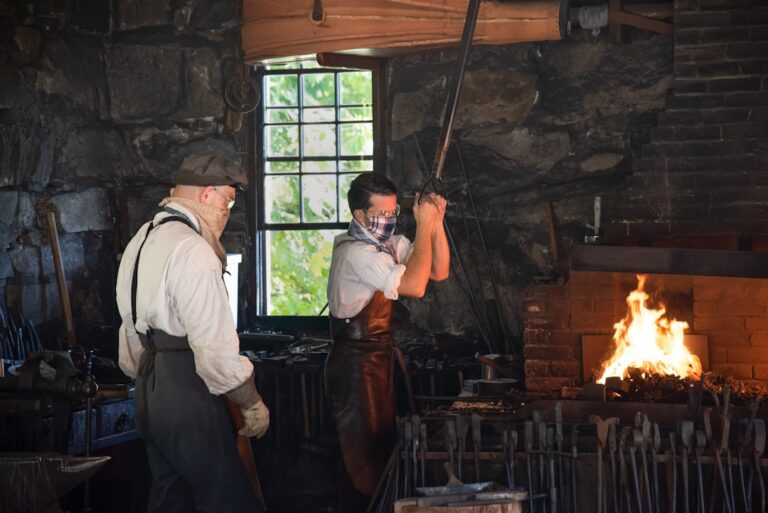
In the tapestry of Colonial America, blacksmiths held a pivotal role that extended far beyond mere craftsmanship. They were the backbone of early settlements, providing essential tools and equipment that were vital for survival and progress. As we delve into the lives of these artisans, we recognize that their work was not just about forging metal; it was about shaping the very fabric of colonial life.
Blacksmiths were often among the first tradespeople to establish themselves in new communities, setting up their forges as soon as possible to meet the immediate needs of settlers. Their ability to create everything from horseshoes to cooking utensils made them indispensable. Moreover, blacksmiths were often seen as community leaders.
They were not only skilled craftsmen but also problem solvers who could address a variety of needs within their towns. Their forges became gathering places where neighbors exchanged news, shared stories, and sought advice. In many ways, blacksmiths were the unsung heroes of colonial society, providing a sense of stability and continuity in an era marked by uncertainty and change.
Their contributions went beyond the physical items they produced; they helped forge social bonds and foster a sense of community among settlers.
Key Takeaways
- Blacksmiths played a crucial role in colonial America, providing essential tools and equipment for the community.
- Blacksmithing was important in early American communities for creating and repairing tools, weapons, and household items.
- Colonial blacksmiths possessed a range of skills and techniques, including forging, welding, and shaping metal.
- Blacksmiths in colonial America used a variety of tools and equipment, such as anvils, hammers, tongs, and forges.
- Blacksmithing had a significant economic impact in the colonies, contributing to local trade and commerce.
The Importance of Blacksmithing in Early American Communities
Agricultural Foundations
They crafted tools that farmers relied on for planting and harvesting crops, ensuring that food could be produced to sustain growing populations. Without the blacksmith’s skill in creating plows, hoes, and other agricultural implements, the very foundation of colonial agriculture would have been shaky at best.
Transportation and Trade
Additionally, blacksmiths played a vital role in transportation and trade. They fashioned horseshoes and wagon parts that enabled settlers to travel and transport goods more efficiently. This mobility was essential for the expansion of trade networks and the establishment of new settlements.
Facilitators of Progress
As we reflect on this period, we see that blacksmiths were not merely artisans; they were facilitators of progress, enabling communities to thrive and adapt in a rapidly changing world.
The Skills and Techniques of Colonial Blacksmiths
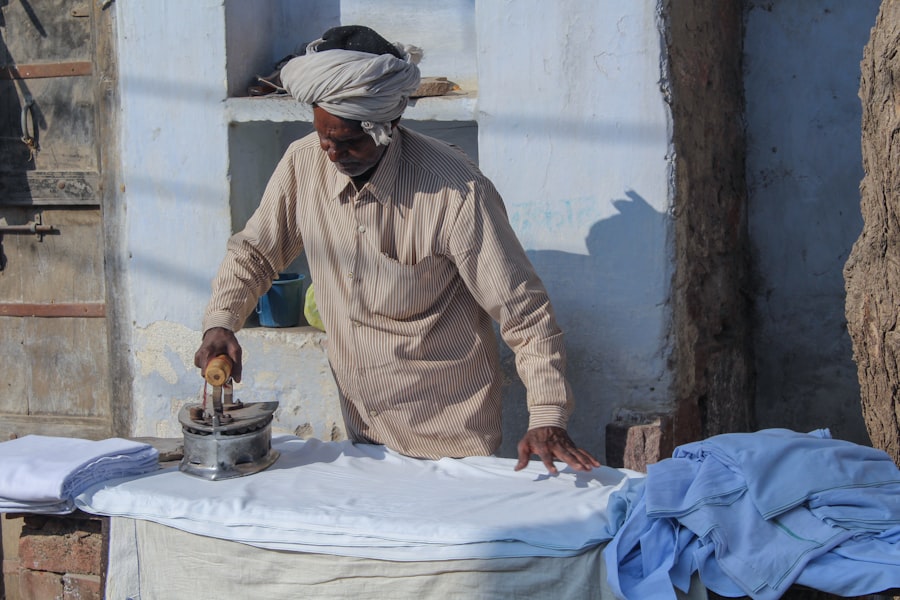
The skills possessed by colonial blacksmiths were both diverse and highly specialized. Mastery of the forge required years of training and experience, as these artisans had to understand the properties of various metals and how to manipulate them effectively. They learned to heat metal until it was malleable, allowing them to shape it into tools, hardware, and decorative items.
This process involved not only physical strength but also a keen understanding of metallurgy and design. In addition to their technical skills, blacksmiths also had to be innovative problem solvers. Each project presented unique challenges that required creative thinking and adaptability.
For instance, when crafting a new tool or repairing an existing one, they had to consider factors such as durability, functionality, and aesthetics. This blend of artistry and practicality set colonial blacksmiths apart from other tradespeople and underscored their importance in the community.
The Tools and Equipment Used by Colonial Blacksmiths
| Tool or Equipment | Description |
|---|---|
| Anvil | A heavy iron block used by blacksmiths as a surface for shaping metal |
| Forge | A hearth used for heating metals to a malleable temperature |
| Tongs | Tools used to hold and manipulate hot metal |
| Hammer | A tool used for shaping and forging metal |
| Chisels | Tools used for cutting and shaping metal |
| Quenching tub | A container filled with water or oil used to rapidly cool hot metal |
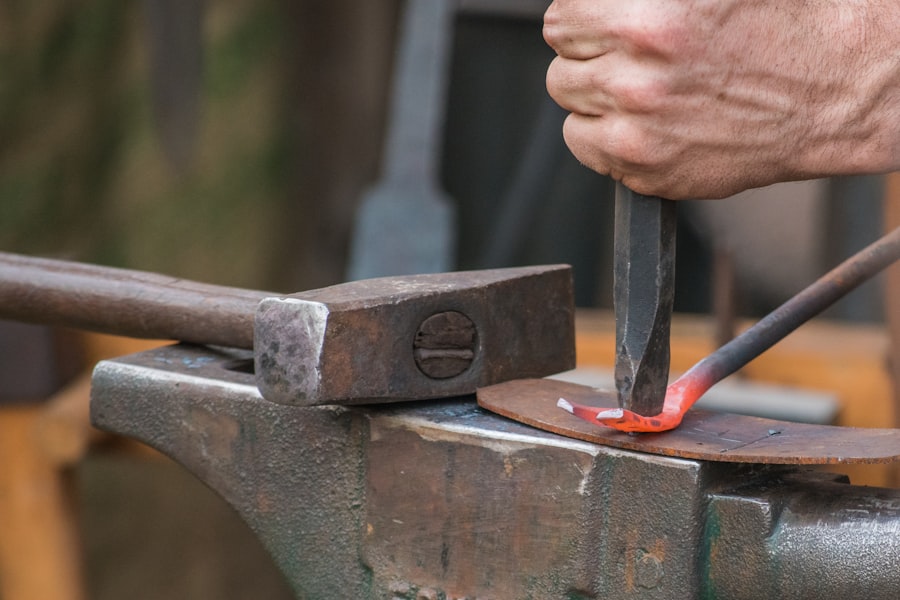
The tools and equipment utilized by colonial blacksmiths were essential for their craft and reflected the ingenuity of the time. At the heart of every blacksmith’s workshop was the forge itself, where coal or charcoal was burned to create intense heat for metalworking. The forge was often accompanied by an anvil, a heavy block of iron or steel on which metal could be shaped.
These two pieces of equipment formed the cornerstone of blacksmithing, allowing artisans to transform raw materials into functional objects. In addition to the forge and anvil, blacksmiths employed a variety of hand tools that facilitated their work. Hammers, tongs, chisels, and files were all integral to the process of shaping metal.
Each tool had a specific purpose, enabling blacksmiths to execute intricate designs or perform precise repairs. As we consider the array of tools at their disposal, we gain insight into the craftsmanship that defined colonial blacksmithing and appreciate the skill required to wield them effectively.
The Economic Impact of Blacksmithing in the Colonies
The economic impact of blacksmithing in the colonies was profound and far-reaching. As essential providers of tools and equipment, blacksmiths contributed significantly to local economies by supporting agriculture, trade, and transportation. Their ability to produce high-quality goods meant that settlers could rely on locally made products rather than importing them from distant markets.
This self-sufficiency fostered economic resilience within communities and encouraged further growth. Moreover, blacksmithing created job opportunities not only for skilled artisans but also for apprentices who sought to learn the trade. This system of apprenticeship ensured that knowledge was passed down through generations, maintaining a steady supply of skilled labor in the colonies.
As we examine the economic landscape of early America, it becomes clear that blacksmithing was not just a trade; it was a vital component of community development and economic sustainability.
The Role of Blacksmiths in Shaping Colonial Society
Community Leaders and Governance
They were often involved in local governance and decision-making processes, lending their expertise to community matters. Their workshops served as informal meeting places where townsfolk gathered to discuss issues ranging from trade regulations to social events.
Cultural Identity and Craftsmanship
Furthermore, blacksmiths contributed to the cultural identity of colonial America. Their craftsmanship reflected local traditions and values, with many artisans incorporating unique designs that showcased regional characteristics. This blend of functionality and artistry helped define the aesthetic landscape of early American life.
The Legacy of Colonial Blacksmithing in American History
The legacy of colonial blacksmithing is woven into the very fabric of American history. As we look back on this period, we see how blacksmiths laid the groundwork for future generations of craftsmen and tradespeople. Their techniques and innovations influenced various industries as America transitioned from an agrarian society to an industrialized nation.
The skills honed by colonial blacksmiths became foundational for later advancements in manufacturing and engineering. Moreover, the spirit of innovation that characterized colonial blacksmithing continues to resonate today. Modern artisans often draw inspiration from traditional techniques while incorporating contemporary materials and designs.
This connection to history serves as a reminder of the enduring impact that these early craftsmen had on American culture and industry. As we celebrate this legacy, we honor the creativity and resilience that defined colonial blacksmithing.
The Decline of Blacksmithing in the Industrial Age
As America entered the Industrial Age, the decline of traditional blacksmithing became inevitable. The rise of mass production and mechanization transformed industries across the nation, leading to a shift in how goods were manufactured and distributed. Factories began producing tools and equipment at an unprecedented scale, rendering many artisanal trades less viable.
This transition marked a significant turning point for blacksmiths who had once been central figures in their communities. Despite this decline, it is essential to recognize that the skills and techniques developed by colonial blacksmiths laid the groundwork for modern manufacturing practices. While traditional blacksmithing may have diminished as a primary trade, its influence can still be seen in various fields today.
Many contemporary artisans continue to practice blacksmithing as a craft, preserving its rich history while adapting it to modern contexts. In this way, we acknowledge that while the era of colonial blacksmithing may have passed, its legacy endures in both our cultural heritage and our ongoing appreciation for skilled craftsmanship.
If you are interested in learning more about colonial blacksmithing, be sure to check out the article on Far Hills Forge. This website offers a wealth of information on traditional blacksmithing techniques and tools. You can also visit their sample page to see examples of their work. Additionally, their blog post titled Hello World may provide further insights into the world of colonial blacksmithing.