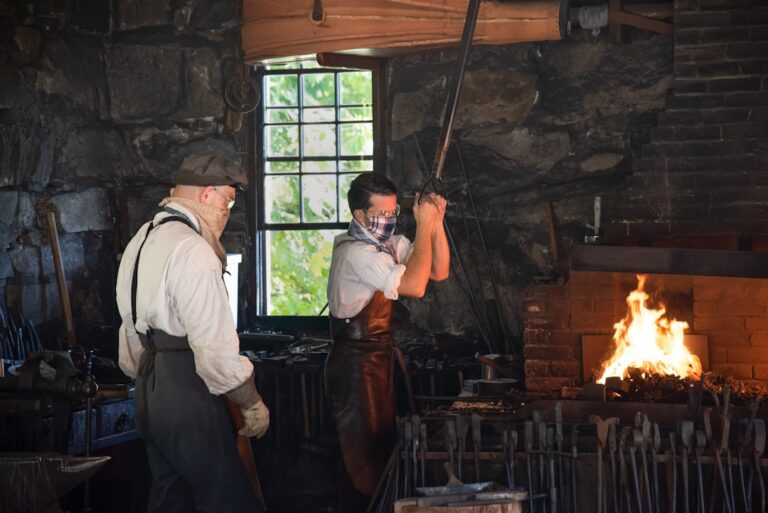
Blacksmithing is an ancient craft that involves the art of shaping metal through the application of heat and force. At its core, blacksmithing is about transforming raw materials into functional and artistic objects. We often think of blacksmiths as artisans who create tools, weapons, and decorative items, but the craft encompasses a wide range of metalworking techniques.
By heating metal until it becomes malleable, we can manipulate it into various forms using hammers, anvils, and other tools. This process not only requires physical strength but also a deep understanding of the properties of different metals and how they respond to heat.
The blacksmith must possess a keen eye for detail and an appreciation for aesthetics, as the finished product often reflects both functionality and beauty. Whether we are forging a simple nail or an intricate piece of jewelry, the principles of blacksmithing remain the same: heat, shape, and cool. This timeless craft has been passed down through generations, evolving with technology while retaining its fundamental techniques.
Key Takeaways
- Blacksmithing is the art of shaping and forging metal using heat and tools.
- Blacksmithing has a long history dating back to ancient times, and has been an important trade in many cultures.
- Essential tools for blacksmithing include a forge, anvil, hammer, tongs, and various other specialized tools.
- Basic techniques in blacksmithing include heating, shaping, and joining metal using techniques such as forging, welding, and tempering.
- Safety precautions in blacksmithing are crucial and include wearing protective gear, proper ventilation, and being mindful of hot metal and tools.
The History of Blacksmithing
The Development of Ironworking
The introduction of iron around 1200 BC marked a significant turning point in the craft, leading to the development of stronger tools and weapons that would shape societies. Throughout history, blacksmithing has played a crucial role in various cultures.
Blacksmithing in Medieval Europe
In medieval Europe, blacksmiths were highly regarded members of their communities, often serving as the backbone of local economies. They crafted everything from horseshoes to armor, contributing to both everyday life and warfare.
The Enduring Art of Blacksmithing
The Industrial Revolution brought about significant changes in blacksmithing practices, as mechanization began to replace traditional hand-forging methods. Despite these advancements, the art of blacksmithing has endured, with many artisans today embracing both historical techniques and modern innovations.
Tools and Equipment for Blacksmithing

To embark on our blacksmithing journey, we must familiarize ourselves with the essential tools and equipment that define this craft. The heart of any blacksmith’s workshop is the forge, where we heat our metal to the desired temperature. Traditional forges use coal or charcoal as fuel, while modern forges may utilize propane or natural gas for convenience and efficiency.
Alongside the forge, an anvil serves as a sturdy surface for shaping hot metal. The anvil’s flat top allows us to hammer and form our creations with precision. In addition to these primary tools, we also require a variety of hand tools to aid in our work.
Hammers come in different shapes and sizes, each designed for specific tasks such as drawing out metal or creating decorative patterns. Tongs are equally important; they allow us to grip hot metal safely without burning ourselves. Other tools like chisels, files, and quench tanks for cooling our workpiece are also vital components of our blacksmithing toolkit.
As we gather these tools, we begin to appreciate the craftsmanship involved not only in our creations but also in the instruments that enable us to bring our visions to life.
Basic Techniques in Blacksmithing
| Technique | Description |
|---|---|
| Forging | The process of shaping metal using localized compressive forces. |
| Annealing | Heating and then slowly cooling a material to remove internal stresses and toughen it. |
| Quenching | Rapidly cooling a heated metal to increase its hardness. |
| Tempering | Heating and then cooling a metal to increase its toughness and reduce brittleness. |
| Welding | Joining two pieces of metal together by heating and hammering or using pressure, or by using a filler material. |
As we step into the world of blacksmithing, mastering basic techniques is essential for our development as artisans. One fundamental technique is drawing out, which involves elongating a piece of metal by hammering it while it is hot. This technique allows us to create longer shapes such as rods or blades.
Another important method is upsetting, where we increase the thickness of a metal piece by hammering it down on itself. This technique is particularly useful when we want to create a thicker section at one end of a piece. Twisting is another captivating technique that adds visual interest to our work.
By heating a metal rod and then twisting it with tongs or pliers, we can create intricate patterns that enhance the aesthetic appeal of our projects. Additionally, we must learn how to properly heat our metal to achieve optimal results; overheating can lead to oxidation or damage, while underheating can make shaping difficult. As we practice these techniques, we begin to develop our own style and approach to blacksmithing, allowing our creativity to flourish alongside our technical skills.
Safety Precautions in Blacksmithing
Safety should always be our top priority when engaging in blacksmithing activities. The combination of high temperatures, heavy tools, and sharp edges presents numerous hazards that we must be aware of. First and foremost, wearing appropriate personal protective equipment (PPE) is crucial.
This includes safety glasses to protect our eyes from flying sparks and debris, gloves to shield our hands from heat and sharp objects, and sturdy footwear to protect our feet from falling tools or hot metal. Furthermore, maintaining a clean and organized workspace is essential for preventing accidents. We should ensure that our tools are in good condition and stored properly when not in use.
It’s also important to have a fire extinguisher nearby in case of emergencies related to sparks or flammable materials. As we work with hot metal, we must remain vigilant and focused on our tasks to avoid injuries caused by distraction or carelessness. By adhering to these safety precautions, we can enjoy the rewarding experience of blacksmithing while minimizing risks.
Getting Started in Blacksmithing

For those eager to dive into blacksmithing, getting started can be both exciting and daunting. The first step is to find a suitable workspace where we can set up our forge and tools safely. Whether we have access to a dedicated workshop or plan to create a small setup in our garage or backyard, ensuring proper ventilation is key due to the smoke generated during forging.
Once we have established our workspace, we can begin gathering the necessary tools and materials. Joining a local blacksmithing club or taking classes can significantly enhance our learning experience. These communities often provide valuable resources such as mentorship from experienced blacksmiths and opportunities for hands-on practice.
Online tutorials and instructional videos can also serve as excellent supplementary materials as we familiarize ourselves with techniques and projects. As we embark on this journey, patience is essential; mastering blacksmithing takes time and practice, but the rewards are well worth the effort.
Common Projects for Beginners in Blacksmithing
As beginners in blacksmithing, it’s helpful to start with simple projects that allow us to practice fundamental techniques while building confidence in our skills. One popular project is creating hooks or hangers; these items are practical and provide an excellent opportunity to experiment with shaping metal using basic techniques like bending and twisting. Another beginner-friendly project is crafting simple tools such as chisels or punches; these not only serve functional purposes but also help us refine our hammering techniques.
As we gain more experience, we can challenge ourselves with slightly more complex projects like making knives or decorative items such as candle holders or garden art. These projects allow us to explore different styles and techniques while still being manageable for those new to the craft.
Resources for Learning More about Blacksmithing
To further enhance our knowledge and skills in blacksmithing, numerous resources are available that cater to both beginners and experienced artisans alike. Books on blacksmithing techniques offer valuable insights into various methods and projects while providing historical context that enriches our understanding of the craft. Online forums and social media groups dedicated to blacksmithing allow us to connect with fellow enthusiasts who share tips, advice, and inspiration.
Additionally, video tutorials on platforms like YouTube can be incredibly helpful for visual learners; watching experienced blacksmiths demonstrate techniques can clarify concepts that may be difficult to grasp through text alone. Attending workshops or demonstrations at local craft fairs or blacksmithing events can also provide hands-on experience while allowing us to network with other artisans in the field. By utilizing these resources, we can continue to grow as blacksmiths while fostering a deeper appreciation for this timeless craft.
In conclusion, blacksmithing is a multifaceted art form that combines skill, creativity, and history. As we explore its depths—from understanding its origins to mastering essential techniques—we find ourselves partaking in a tradition that has shaped human civilization for millennia. With dedication and practice, we can forge not only metal but also connections with fellow artisans who share our passion for this remarkable craft.
If you’re interested in learning more about blacksmithing, be sure to check out Far Hills Forge’s website. They offer a variety of resources and information for beginners, including their article “Blacksmith 101” which covers the basics of the craft. You can find this article and more on their website here. Whether you’re just starting out or looking to expand your skills, Far Hills Forge has something for everyone.