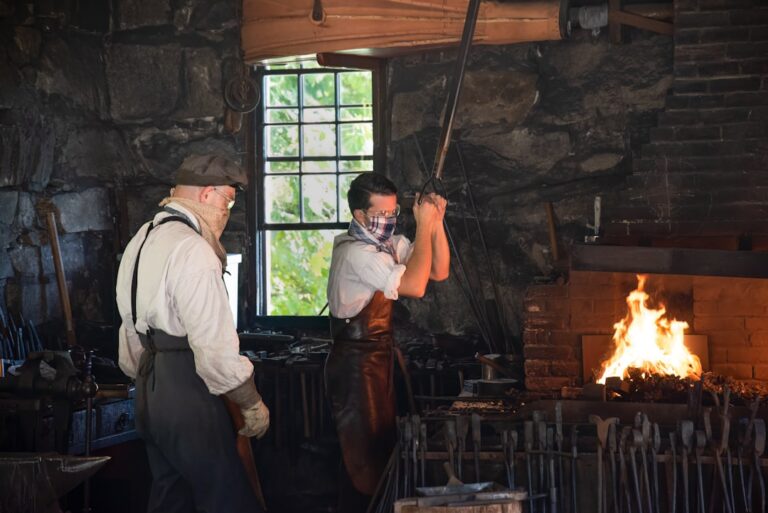
Blacksmithing is an ancient craft that has evolved over centuries, yet its core principles remain unchanged. At its essence, blacksmithing involves heating metal until it becomes malleable and then shaping it through various techniques such as hammering, bending, and cutting. This age-old practice not only produces functional items like tools and hardware but also allows for artistic expression through the creation of decorative pieces.
As we delve into the world of blacksmithing, we find that it is a blend of art and science, requiring both creativity and technical skill. To truly appreciate blacksmithing, we must understand the materials we work with. The most common metal used in blacksmithing is iron, particularly wrought iron and steel.
Wrought iron is known for its ductility and resistance to corrosion, while steel offers strength and versatility. As we explore the different types of metals, we also learn about their properties and how they respond to heat. This foundational knowledge is crucial as it informs our approach to various projects, allowing us to select the right materials for our intended outcomes.
Key Takeaways
- Blacksmithing involves heating and shaping metal using tools and techniques
- A well-ventilated and organized workspace is essential for blacksmithing
- Selecting the right tools and equipment is crucial for successful blacksmithing
- Safety precautions such as wearing protective gear and maintaining a clean workspace are important in blacksmithing
- Learning basic techniques and choosing the right materials are key to successful blacksmithing projects
Setting Up Your Blacksmithing Workspace
Creating an effective blacksmithing workspace is essential for both safety and productivity. We need to consider several factors when designing our forge area. First and foremost, location is key; we should choose a space that is well-ventilated and away from flammable materials.
A dedicated outdoor area or a well-ventilated garage can serve as an ideal setting. Additionally, we must ensure that our workspace is equipped with a sturdy workbench, an anvil, and a forge, as these are the cornerstones of our blacksmithing endeavors. Once we have established the physical layout of our workspace, we should focus on organization.
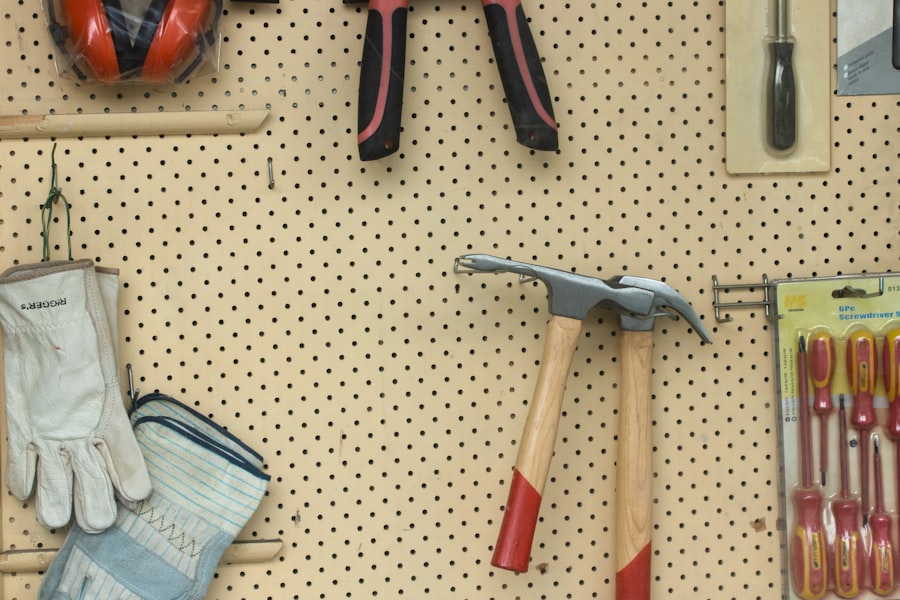
Keeping our tools and materials neatly arranged not only enhances efficiency but also minimizes the risk of accidents. We can use shelves, toolboxes, and pegboards to store our equipment in an orderly fashion. Furthermore, having a designated area for safety gear—such as gloves, goggles, and aprons—ensures that we are always prepared to protect ourselves while working.
By taking the time to set up our workspace thoughtfully, we create an environment conducive to creativity and craftsmanship.
Selecting the Right Tools and Equipment

The tools we choose for blacksmithing play a pivotal role in our success as artisans. While it may be tempting to invest in every tool available on the market, we should focus on acquiring the essentials first. A good starting toolkit includes a hammer, tongs, an anvil, a forge, and a quenching bucket.
Each of these tools serves a specific purpose; for instance, hammers are used for shaping metal, while tongs help us grip hot pieces safely. As we gain experience, we can gradually expand our collection to include more specialized tools. In addition to hand tools, we should also consider investing in safety equipment.
Protective gear is non-negotiable in blacksmithing; it shields us from burns, flying sparks, and other hazards associated with working with hot metal. A sturdy pair of leather gloves, safety goggles, and a flame-resistant apron are essential items that should be part of our toolkit from the very beginning. By prioritizing both functionality and safety in our tool selection, we set ourselves up for a successful blacksmithing journey.
Safety Precautions for Blacksmithing
| Safety Precautions | Importance |
|---|---|
| Wear protective gear | Prevents burns and injuries |
| Keep work area well-ventilated | Reduces risk of inhaling harmful fumes |
| Use proper tools and equipment | Minimizes accidents and injuries |
| Be mindful of hot metal | Avoids burns and skin damage |
| Follow safety guidelines | Ensures overall safety and well-being |
Safety should always be our top priority when engaging in blacksmithing activities. The nature of this craft involves working with high temperatures and heavy materials, which can pose significant risks if proper precautions are not taken. Before we even begin forging metal, we must familiarize ourselves with the potential hazards present in our workspace.
This includes understanding how to handle hot materials safely and recognizing the importance of maintaining a clean work area free from clutter. In addition to maintaining a tidy workspace, we should establish safety protocols that become second nature as we work. For instance, always wearing appropriate protective gear is crucial; this includes not only gloves and goggles but also sturdy footwear to protect our feet from falling objects or hot metal shards.
Furthermore, we should ensure that our forge is equipped with fire extinguishing equipment in case of emergencies. By cultivating a culture of safety within our blacksmithing practice, we can enjoy our craft while minimizing risks.
Learning Basic Blacksmithing Techniques
As we embark on our blacksmithing journey, mastering basic techniques is essential for building a solid foundation. One of the first skills we should focus on is drawing out metal—this involves elongating a piece by hammering it while it’s hot. This technique is fundamental for creating various shapes and forms in our projects.
Additionally, learning how to properly heat metal in the forge is crucial; achieving the right temperature ensures that the metal becomes malleable without compromising its integrity. Another important technique is bending metal, which allows us to create curves and angles in our work. This skill can be applied in numerous projects, from crafting hooks to designing intricate decorative elements.
As we practice these techniques, we should also experiment with different hammer strikes and angles to understand how they affect the final outcome. By dedicating time to honing these basic skills, we lay the groundwork for more advanced techniques that will enhance our craftsmanship.
Choosing the Right Materials for Blacksmithing Projects
Understanding Material Properties
Each material has unique properties that influence how it behaves when heated and shaped; understanding these characteristics allows us to make informed decisions based on our project requirements.
For instance, thicker pieces may require more heat and effort to shape compared to thinner ones. As we gain experience in working with various materials, we will develop an intuition for selecting the right type based on our design goals.
Enhancing Technical Skills and Creativity
This knowledge not only enhances our technical skills but also fosters creativity as we explore new possibilities in our blacksmithing projects.
Starting Your First Blacksmithing Project
With a solid understanding of the basics under our belts, it’s time to embark on our first blacksmithing project. Choosing a simple project is advisable as it allows us to apply what we’ve learned without becoming overwhelmed. A straightforward item like a hook or a small decorative piece can serve as an excellent starting point.
These projects provide an opportunity to practice essential techniques while yielding tangible results that boost our confidence. As we begin crafting our first piece, it’s important to approach the process with patience and an open mind. Mistakes are inevitable; however, they often serve as valuable learning experiences that contribute to our growth as blacksmiths.
We should document our progress through sketches or notes to reflect on what worked well and what could be improved upon in future projects. By embracing this iterative process, we cultivate resilience and adaptability—qualities that are essential for any artisan.
Resources for Further Learning and Support in Blacksmithing
As we continue on our blacksmithing journey, seeking out additional resources can greatly enhance our skills and knowledge. Numerous books and online tutorials offer valuable insights into various techniques and projects that can inspire us to expand our repertoire. Joining local blacksmithing clubs or online forums can also provide us with opportunities to connect with fellow enthusiasts who share our passion for this craft.
Attending workshops or classes led by experienced blacksmiths can be particularly beneficial as they offer hands-on learning experiences that deepen our understanding of advanced techniques. These interactions not only allow us to refine our skills but also foster a sense of community within the blacksmithing world. By actively seeking out resources and engaging with others who share our interests, we can continue to grow as artisans while enjoying the rich tradition of blacksmithing together.
If you are interested in learning blacksmithing as a beginner, you may want to check out the article “Hello World” on Far Hills Forge’s website. This article provides a great introduction to the world of blacksmithing and offers valuable tips for those just starting out. You can read the article here. Additionally, you may also want to explore their sample page for more information on the various projects and techniques you can learn as a beginner blacksmith. Visit their website at farhillsforge.