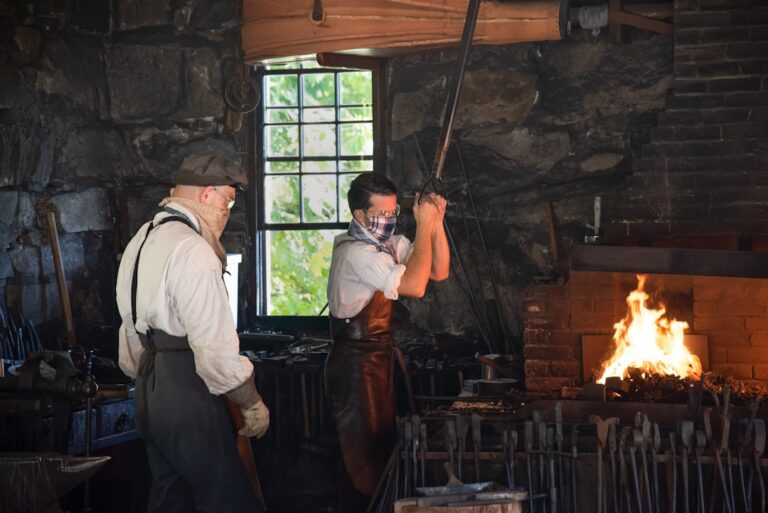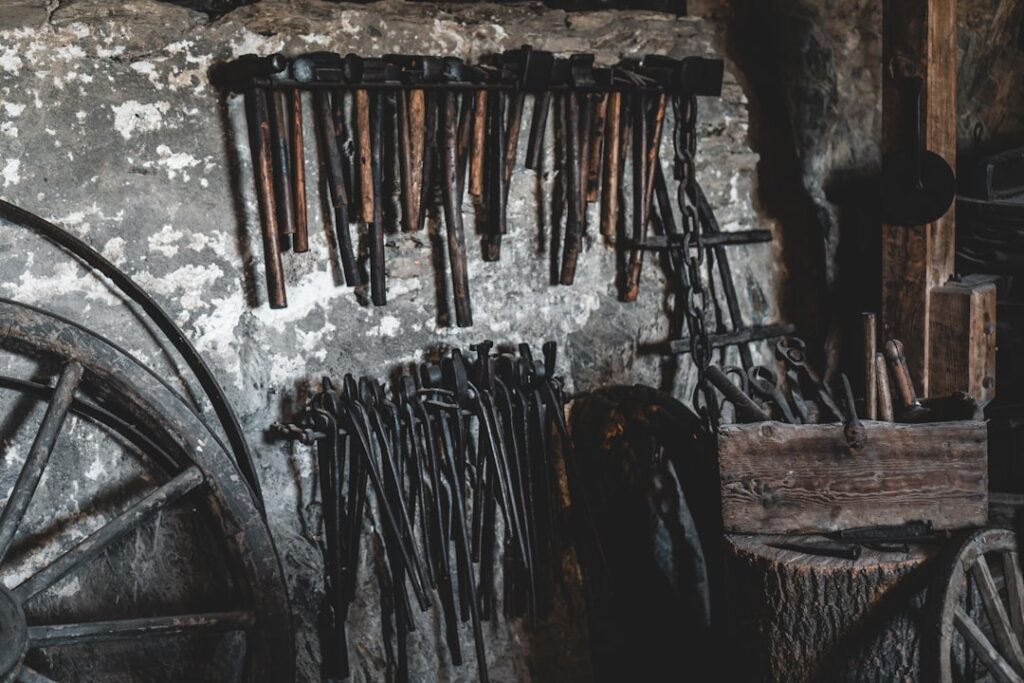
As we delve into the history of blacksmithing, we find ourselves transported back to ancient times, where the craft first began to take shape. The origins of blacksmithing can be traced to the discovery of metallurgy, which allowed humans to manipulate metals for various purposes. This transformative moment occurred around 3000 BCE, when early civilizations in the Near East began to forge tools and weapons from copper and later bronze.
The blacksmith emerged as a vital figure in society, responsible for creating essential items that would aid in agriculture, warfare, and daily life. As we explore this rich history, we recognize that blacksmithing was not merely a trade; it was an art form that required skill, creativity, and an understanding of materials. Throughout the ages, blacksmithing evolved alongside human civilization.
The Iron Age marked a significant turning point, as iron became the dominant material for tools and weapons. This shift not only enhanced the capabilities of blacksmiths but also solidified their status within communities. They were often seen as craftsmen of great importance, revered for their ability to transform raw materials into functional and beautiful objects.
As we reflect on this history, we appreciate how blacksmithing laid the groundwork for many modern industries and crafts, influencing everything from architecture to art.
Key Takeaways
- Blacksmithing has a long history dating back to ancient times, with evidence of the craft found in various cultures around the world.
- The industrial revolution led to a decline in traditional blacksmithing as mass production and factory-made goods became more prevalent.
- Modern blacksmiths are reviving traditional techniques and embracing the craftsmanship of the past in a contemporary setting.
- Technology has become an integral part of blacksmithing, with new tools and equipment being incorporated to enhance efficiency and precision.
- Blacksmithing is not just a trade, but also an art form, with artisans creating unique and creative pieces that showcase their skill and creativity.
The Decline of Blacksmithing: How Industrialization Impacted the Trade
The Decline of Traditional Blacksmithing
The transition affected not only the craft itself but also the livelihoods of countless blacksmiths who had relied on their skills for generations. Once-bustling forges began to fade away, replaced by assembly lines and machine shops. Many blacksmiths found themselves struggling to compete with the efficiency and lower costs of industrial production.
The Loss of Heritage and Craftsmanship
The demand for handcrafted items diminished as consumers gravitated toward cheaper, mass-produced alternatives. As we reflect on this decline, we recognize that it was not just a loss of jobs; it was a loss of heritage and craftsmanship that had been passed down through generations.
A Critical Juncture for Blacksmithing
The art of blacksmithing faced a critical juncture, teetering on the brink of extinction as society embraced a new industrial age.
The Modern Blacksmith: Embracing Traditional Techniques in a Contemporary World
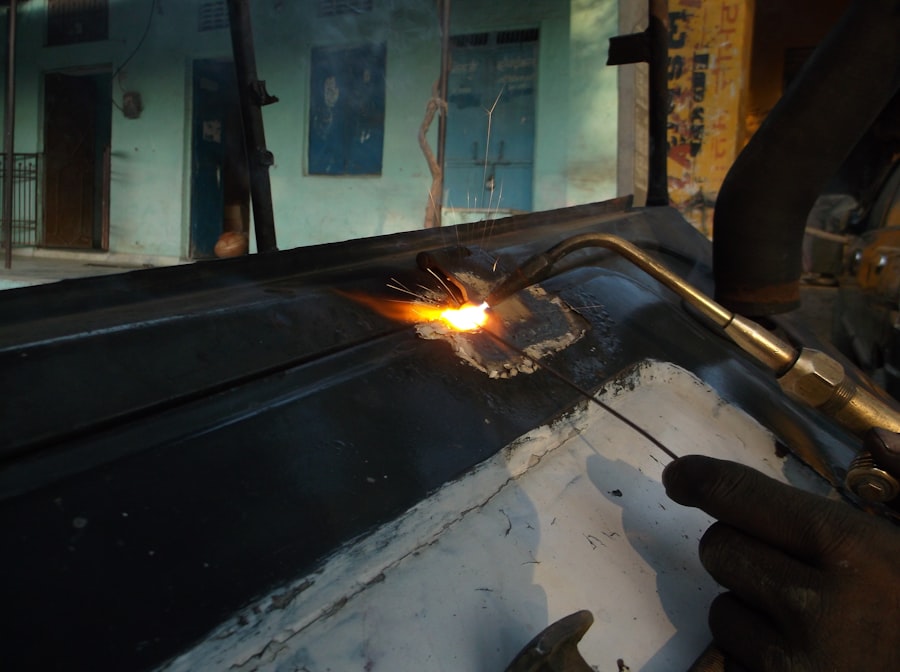
Despite the challenges posed by industrialization, we find that blacksmithing has experienced a remarkable resurgence in recent years. Modern blacksmiths are embracing traditional techniques while adapting them to fit contemporary needs and aesthetics. This revival is fueled by a growing appreciation for handcrafted goods and a desire for unique, personalized items that tell a story.
As we explore this modern landscape, we see blacksmiths who are not only skilled artisans but also innovators who blend old-world craftsmanship with modern design sensibilities. In our current era, many blacksmiths are finding their niche in creating bespoke pieces that cater to individual tastes and preferences. From custom furniture to intricate jewelry, the possibilities are endless.
We are witnessing a renewed interest in artisanal crafts, with consumers seeking out products that reflect their values and support local artisans. This shift has allowed blacksmiths to carve out a space for themselves in a market that once seemed inhospitable. As we celebrate this revival, we recognize that modern blacksmiths are not merely preserving a dying trade; they are redefining it for a new generation.
The Role of Technology: How Blacksmiths are Incorporating New Tools and Equipment
| Technology | Impact |
|---|---|
| Power hammers | Increased efficiency and productivity |
| Gas forges | Improved heat control and reduced fuel consumption |
| Welding equipment | Expanded capabilities and new design possibilities |
| Computer-aided design (CAD) software | Enhanced precision and customization |
As we navigate the intersection of tradition and innovation, it becomes clear that technology plays a pivotal role in the evolution of blacksmithing. While many blacksmiths remain committed to time-honored techniques, they are also embracing new tools and equipment that enhance their capabilities. For instance, advancements in welding technology and power hammers have allowed artisans to work more efficiently while maintaining the integrity of their craft.
We see how these tools enable blacksmiths to push the boundaries of what is possible, creating intricate designs that were once unimaginable. Moreover, technology has opened up new avenues for marketing and connecting with customers. Social media platforms and online marketplaces have provided blacksmiths with a global audience, allowing them to showcase their work and reach potential clients far beyond their local communities.
As we reflect on this integration of technology into the craft, we recognize that it is not about replacing traditional methods but rather augmenting them. By harnessing modern tools while honoring their roots, blacksmiths are able to create stunning pieces that resonate with contemporary consumers.
The Artistry of Blacksmithing: Exploring the Creative Side of the Craft
At its core, blacksmithing is as much an art form as it is a trade. As we delve into the creative side of this craft, we discover that each piece forged by a blacksmith carries with it a unique story and vision. The process of shaping metal requires not only technical skill but also an artistic sensibility that allows artisans to express themselves through their work.
From elegant curves to intricate patterns, every detail reflects the blacksmith’s personal style and interpretation of their craft. We find that many modern blacksmiths are pushing the boundaries of artistry by experimenting with different materials and techniques. Some are incorporating mixed media elements into their work, blending metal with wood or glass to create striking contrasts and textures.
Others are exploring abstract forms that challenge traditional notions of functionality. As we celebrate this artistic exploration within blacksmithing, we recognize that it is a testament to the enduring spirit of creativity that drives artisans to continually innovate and inspire.
Blacksmithing in the 21st Century: The Growing Demand for Handcrafted, Custom-made Pieces

In today’s fast-paced world dominated by mass production, there is a growing demand for handcrafted, custom-made pieces that reflect individuality and craftsmanship. As consumers become more discerning about the products they purchase, they are increasingly drawn to items that carry a personal touch and tell a story. Blacksmiths have found themselves at the forefront of this movement, creating unique pieces that resonate with those seeking authenticity in their lives.
We see blacksmiths collaborating with designers and architects to create bespoke installations that enhance both functionality and aesthetics. The desire for one-of-a-kind items has breathed new life into the trade, allowing blacksmiths to thrive in an era where individuality is celebrated.
As we reflect on this growing demand, we recognize that it represents not just a market opportunity but also a cultural shift toward valuing craftsmanship over convenience.
The Blacksmithing Community: Connecting with Other Artisans and Preserving the Trade
As we explore the world of blacksmithing today, we find that community plays an essential role in preserving this ancient craft. Blacksmiths often come together through workshops, guilds, and online forums to share knowledge, techniques, and experiences. This sense of camaraderie fosters an environment where artisans can learn from one another while also passing down their skills to future generations.
We see how these connections help sustain the trade by creating a supportive network that encourages collaboration and innovation. Moreover, many blacksmiths are actively involved in outreach efforts aimed at educating the public about their craft. Through demonstrations at fairs, schools, and community events, they showcase the artistry and skill involved in blacksmithing while inspiring others to explore this age-old trade.
As we reflect on these initiatives, we recognize that they play a crucial role in ensuring that blacksmithing remains relevant in our modern world. By fostering connections within the community and sharing their passion with others, blacksmiths are helping to preserve a rich heritage for years to come.
The Future of Blacksmithing: Anticipating Trends and Innovations in the Field
Looking ahead, we find ourselves filled with optimism about the future of blacksmithing. As trends continue to evolve and consumer preferences shift toward sustainability and craftsmanship, there is ample opportunity for growth within the trade. We anticipate that more artisans will embrace eco-friendly practices by sourcing materials responsibly and utilizing sustainable techniques in their work.
This commitment to environmental stewardship aligns with broader societal values and positions blacksmithing as a relevant craft in an increasingly conscious marketplace. Furthermore, as technology continues to advance, we expect to see even more innovative tools and techniques emerge within the field. From 3D printing applications in metalworking to enhanced digital design software, these developments will undoubtedly influence how blacksmiths approach their craft.
As we embrace these changes while honoring traditional methods, we can envision a vibrant future for blacksmithing—one where creativity flourishes alongside innovation. In conclusion, as we reflect on the journey of blacksmithing from its ancient origins to its modern resurgence, we recognize its enduring significance as both a trade and an art form. By embracing tradition while adapting to contemporary needs and technologies, blacksmiths are carving out a unique space for themselves in today’s world.
With a growing demand for handcrafted pieces and a supportive community dedicated to preserving this craft, we can look forward to an exciting future filled with creativity and innovation in blacksmithing.
If you are interested in learning more about modern blacksmithing, be sure to check out the article on Far Hills Forge’s website titled “Hello World.” This article provides an introduction to the world of blacksmithing and offers valuable insights into the craft. You can read the article here. Far Hills Forge is a great resource for anyone looking to explore the art of blacksmithing further.