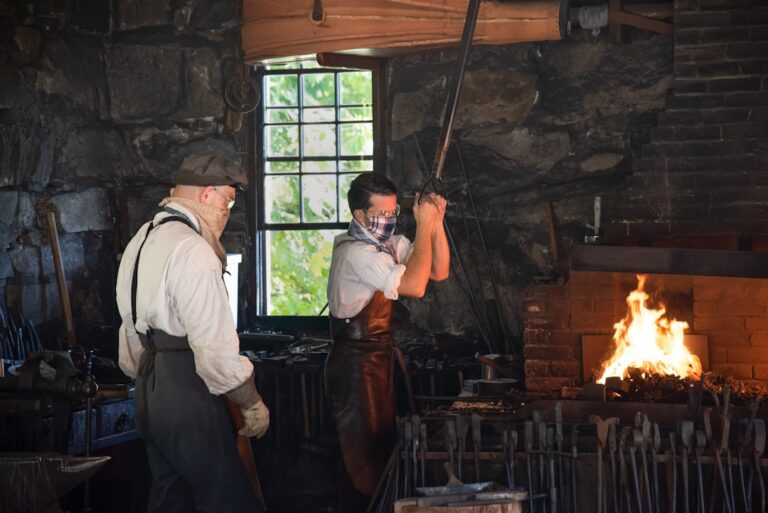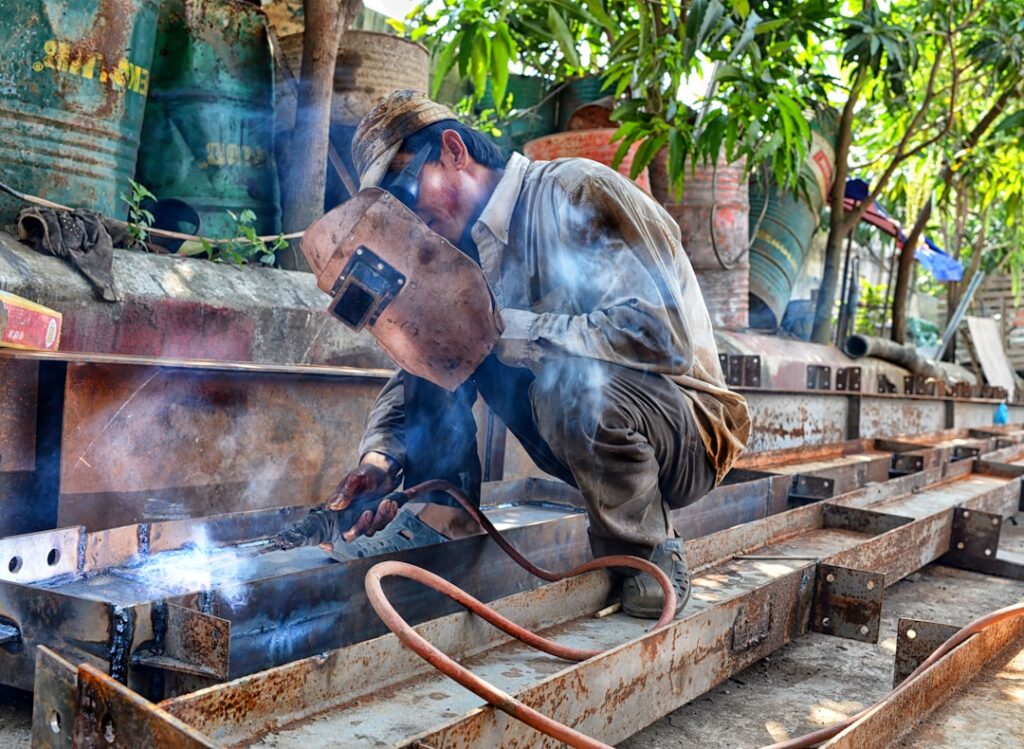
When I first ventured into the world of blacksmithing, I quickly realized that safety equipment is not just an accessory; it is an absolute necessity. The forge, with its roaring flames and intense heat, can be a dangerous environment if one is not adequately prepared. I learned that wearing a proper apron made of leather is essential to protect my body from sparks and hot metal. Additionally, gloves are crucial; they not only provide grip but also shield my hands from burns and cuts. I remember the first time I neglected to wear my gloves while handling a hot piece of metal. The searing pain was a stark reminder of why safety gear should never be overlooked.
Moreover, eye protection is paramount in this craft. The flying sparks and small shards of metal can easily cause serious injuries to the eyes. I invested in a good pair of safety goggles that fit comfortably and provided a clear view of my work. Hearing protection is another aspect that I initially underestimated. The sounds of hammering and grinding can be deafening over time, leading to potential hearing loss. By using earplugs or earmuffs, I ensure that I can continue to enjoy blacksmithing without compromising my long-term health. In essence, proper safety equipment is not merely a precaution; it is an integral part of my blacksmithing journey that allows me to work confidently and creatively.
If you’re interested in blacksmithing and want to deepen your understanding of the craft, I highly recommend checking out the article on forging a medieval blacksmith forge. This piece provides valuable insights into the historical techniques and tools used by blacksmiths in the past, which can greatly enhance your skills and appreciation for the art. You can read the article here: Forging a Medieval Blacksmith Forge.
Key Takeaways
- Proper safety equipment is essential to prevent injuries in metalworking.
- Different metals have unique properties that affect how they can be shaped and used.
- Mastering shaping techniques and heat control is crucial for effective metal manipulation.
- Regular maintenance of tools ensures longevity and optimal performance.
- Engaging with a community provides valuable support and resources for blacksmithing.
Understanding the Different Types of Metals and Their Properties
As I delved deeper into blacksmithing, I became fascinated by the various types of metals and their unique properties. Each metal has its own characteristics that influence how it can be shaped and used. For instance, I learned that iron is malleable when heated, making it an excellent choice for forging. Its ability to be shaped into intricate designs has allowed me to create everything from decorative pieces to functional tools. On the other hand, stainless steel, while more challenging to work with due to its hardness, offers exceptional resistance to corrosion, making it ideal for items that require durability.
Copper and brass also piqued my interest due to their distinct colors and properties. Copper is highly conductive, which makes it perfect for electrical applications, while brass, an alloy of copper and zinc, boasts a beautiful golden hue that adds aesthetic value to any project. Understanding these properties has not only enhanced my skills but also allowed me to choose the right metal for each specific application. The more I explored the world of metals, the more I appreciated the science behind blacksmithing, transforming it from a mere craft into an art form grounded in material knowledge.
Techniques for Shaping and Manipulating Metal
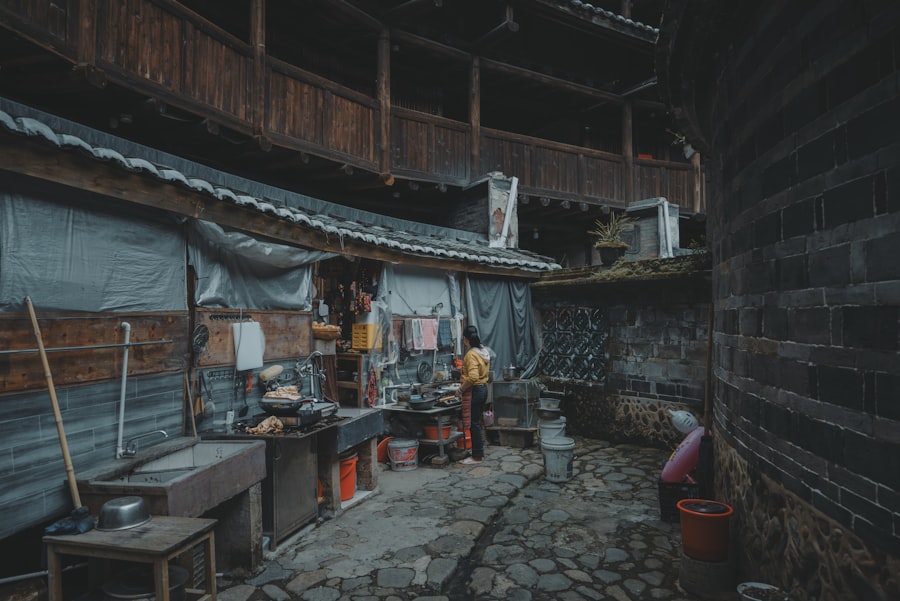
The techniques for shaping and manipulating metal are as diverse as the metals themselves.
One of the first techniques I mastered was drawing out, which involves elongating a piece of metal by hammering it at one end while keeping the other end stationary.
This technique has been invaluable in creating tools with longer handles or decorative elements that require a specific shape. I remember the satisfaction I felt when I successfully drew out my first piece; it was a moment that solidified my passion for blacksmithing.
Another technique that has become essential in my practice is bending. By heating the metal to a pliable state, I can create curves and angles that add character to my designs. I often use a bending jig to achieve precise angles, ensuring that each piece fits together seamlessly. Additionally, I have experimented with twisting metal rods to create unique patterns and textures. This technique not only enhances the visual appeal of my work but also adds strength to the final product. Each technique I learn opens up new possibilities for creativity, allowing me to push the boundaries of what I can create with metal.
The Importance of Proper Heat Control
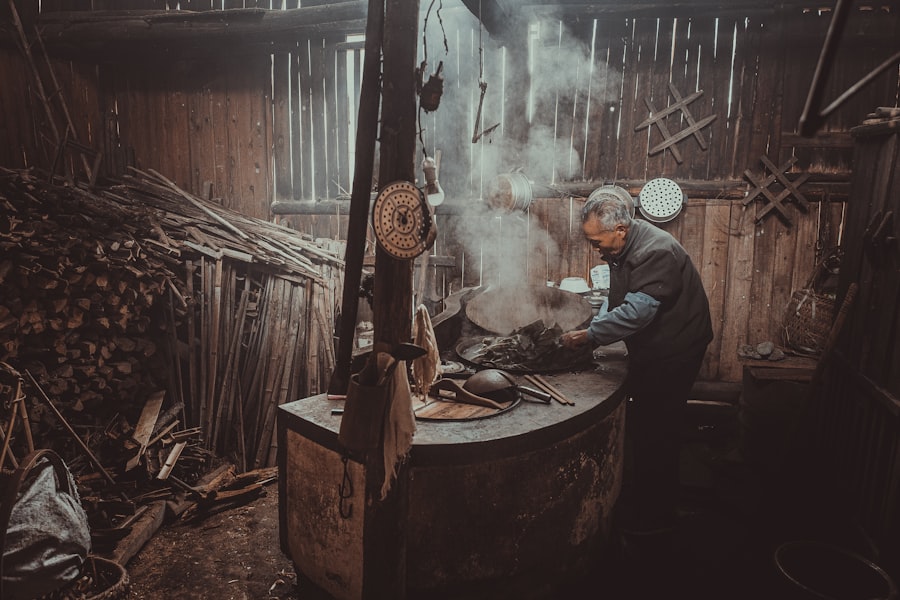
Heat control is one of the most critical aspects of blacksmithing that I have come to appreciate over time. The ability to heat metal to the right temperature can make or break a project. If the metal is too cold, it becomes brittle and difficult to work with; if it’s too hot, it can lose its structural integrity or even burn away. I have learned to rely on my forge’s temperature gauge and my own experience to gauge when the metal is ready for shaping.
One technique I often use is called “color watching,” where I observe the color of the metal as it heats up. A bright orange glow indicates that the metal is at an ideal temperature for forging, while a yellowish hue suggests it may be too hot. This skill has taken time to develop, but it has significantly improved my ability to manipulate metal effectively. Additionally, understanding how different metals respond to heat has allowed me to tailor my approach based on the material at hand. Proper heat control not only enhances my craftsmanship but also ensures that each piece I create meets the highest standards of quality.
If you’re interested in the art of blacksmithing, you might find it helpful to explore additional resources that can enhance your understanding and skills. One such article that provides valuable insights is Hello World, which covers essential tips and techniques for beginners. This resource complements the advice shared in “I Wish Someone Had Told Me This About Blacksmithing Sooner” by offering practical guidance that can make your journey into this craft even more rewarding.
Tips for Maintaining and Caring for Your Tools
As any seasoned blacksmith will tell you, tools are an extension of oneself in this craft. Over time, I have learned that maintaining and caring for my tools is just as important as mastering techniques or understanding materials. Regular cleaning is essential; after each session, I make it a habit to wipe down my hammers and tongs to remove any residue or rust that may have accumulated during use. A clean tool not only performs better but also lasts longer.
I also pay close attention to sharpening my tools regularly. A dull chisel or hammer can lead to frustration and subpar results in my work. By investing in a good sharpening stone and taking the time to hone my tools properly, I ensure that they remain effective and reliable. Additionally, storing my tools in a dry environment helps prevent rust and damage over time. By treating my tools with care and respect, I have found that they serve me well in my blacksmithing endeavors, allowing me to focus on creativity rather than repairs.
Understanding the Role of Carbon in Steel
One of the most enlightening aspects of my blacksmithing journey has been understanding the role of carbon in steel production. Carbon content significantly influences steel’s hardness, strength, and ductility. As I learned about different types of steel—such as high-carbon steel versus low-carbon steel—I began to appreciate how these variations affect my projects. High-carbon steel, for instance, is known for its ability to hold a sharp edge, making it ideal for knives and cutting tools.
Conversely, low-carbon steel is more malleable and easier to work with, which makes it suitable for decorative items or pieces requiring intricate shapes. This knowledge has allowed me to select the right type of steel based on the intended use of each project. Additionally, understanding how carbon interacts with iron during the forging process has deepened my appreciation for metallurgy as a whole. It’s fascinating how such a small element can have such a profound impact on the properties of steel, shaping not only the tools I create but also the very essence of blacksmithing itself.
The Art of Creating Unique and Functional Designs
Creating unique and functional designs has become one of my favorite aspects of blacksmithing. Each piece I forge tells a story—whether it’s a simple hook or an elaborate sculpture—reflecting both my skills and creativity. I often find inspiration in nature, architecture, or even everyday objects around me. The challenge lies in transforming these ideas into tangible creations while ensuring they remain functional.
I have learned that sketching out designs before starting a project helps clarify my vision and plan for any potential challenges during the forging process. This practice allows me to experiment with different shapes and styles without wasting materials or time. Additionally, incorporating elements like texture or color through patinas adds depth and character to my work. The satisfaction that comes from seeing an idea evolve into a finished piece is unparalleled; it’s this blend of artistry and craftsmanship that keeps me passionate about blacksmithing.
Finding a Community and Resources for Blacksmithing
As I navigated through my blacksmithing journey, I quickly realized the importance of finding a community and resources that could support my growth in this craft. Connecting with fellow blacksmiths has been invaluable; sharing experiences, techniques, and tips has enriched my understanding and skills immensely.
Local blacksmithing clubs or workshops often host events where artisans gather to showcase their work and share knowledge—these gatherings have become some of my favorite experiences.
Online forums and social media groups have also proven beneficial in expanding my network beyond geographical limitations. Platforms like Instagram allow me to follow talented blacksmiths from around the world, providing endless inspiration and ideas for new projects. Additionally, there are numerous online courses available that delve into specific techniques or aspects of blacksmithing that interest me most. By immersing myself in this community and utilizing available resources, I continue to grow as a blacksmith while fostering connections with others who share my passion for this timeless craft.
FAQs
What basic tools are essential for someone starting blacksmithing?
Beginners typically need a forge, an anvil, a hammer, tongs, and safety equipment such as gloves and eye protection. These tools form the foundation for most blacksmithing projects.
How long does it usually take to learn basic blacksmithing skills?
With regular practice, basic blacksmithing skills can be learned within a few months. However, mastering advanced techniques often takes years of experience and dedication.
Is blacksmithing a safe hobby, and what precautions should be taken?
Blacksmithing involves high heat and heavy tools, so safety is crucial. Wearing protective gear, working in a well-ventilated area, and proper training on tool use are essential to minimize risks.
Can blacksmithing be done at home, or is a professional workshop necessary?
Many blacksmiths start with a home setup using a small forge and basic tools. While professional workshops offer more equipment, a home setup is sufficient for beginners and hobbyists.
What materials are commonly used in blacksmithing projects?
Steel and iron are the most common materials used in blacksmithing due to their malleability and strength. Other metals like copper, brass, and aluminum can also be worked but require different techniques.