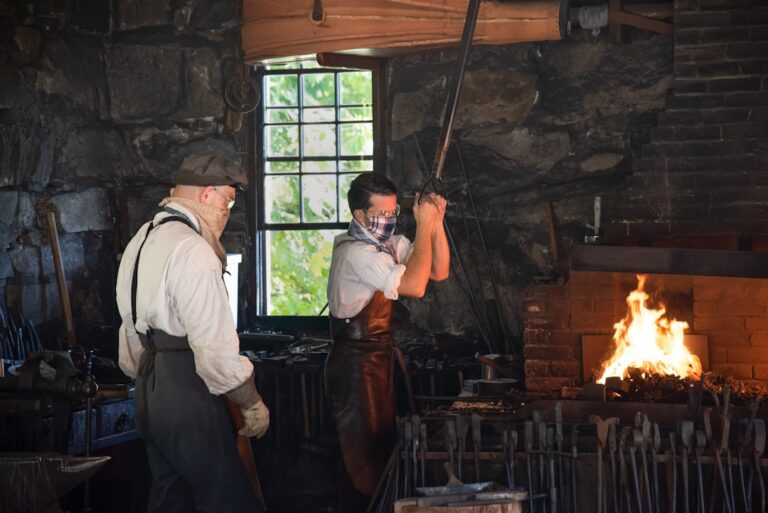
When I think about forged products, I envision a process steeped in tradition and craftsmanship. Forging is one of the oldest manufacturing processes known to humanity, dating back thousands of years. It involves shaping metal through the application of compressive forces, often using hammers or presses.
The result is a product that boasts enhanced strength and durability compared to other manufacturing methods. The forging process can be performed hot or cold, depending on the material and the desired properties of the final product. Hot forging typically allows for greater deformation and is often used for larger components, while cold forging is more suited for smaller, intricate parts.
The beauty of forged products lies not only in their strength but also in their versatility. They can be made from a variety of metals, including steel, aluminum, and titanium, each offering unique properties that cater to different applications. As I delve deeper into the world of forging, I realize that the process is not merely about shaping metal; it’s about creating components that can withstand extreme conditions and stresses.
This understanding has led me to appreciate the intricate balance between art and science that defines the forging industry.
Key Takeaways
- Forged products are created through a process of shaping metal using localized compressive forces, resulting in strong and durable items.
- Quality is crucial in forged products as it ensures reliability, safety, and longevity of the items.
- Factors affecting the durability of forged products include material selection, design, manufacturing process, and post-forging treatments.
- Common types of forged products include automotive parts, hand tools, industrial machinery, and aerospace components.
- Quality control in forged product manufacturing involves rigorous testing, inspection, and adherence to industry standards to maintain high standards of quality.
The Importance of Quality in Forged Products
The Forging Process: A Critical Factor in Quality
The forging process itself plays a significant role in determining quality. Factors such as temperature, pressure, and material selection all contribute to the final outcome.
Quality Beyond Manufacturing
The importance of quality extends beyond the manufacturing process. It encompasses the entire lifecycle of the product, from design to end-use. I have learned that rigorous testing and inspection protocols are essential to ensure that forged products meet specifications.
Reliability and Trust
This commitment to quality not only enhances the reliability of the products but also builds trust with customers who depend on these components for their own operations.
Factors Affecting the Durability of Forged Products
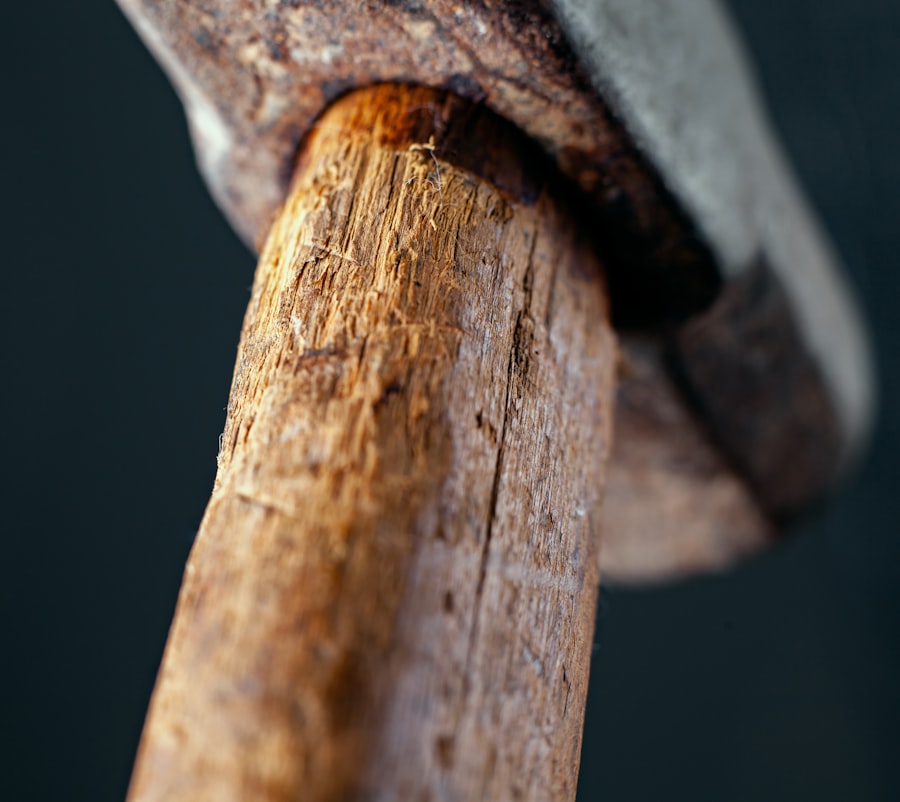
As I explore the factors affecting the durability of forged products, I realize that several elements come into play.
Different metals exhibit varying levels of strength, ductility, and resistance to wear and corrosion.
For instance, high-carbon steels are known for their exceptional hardness but may be more brittle than other alloys. Understanding these material properties is crucial for selecting the right metal for specific applications. Another critical factor is the forging process itself.
The temperature at which forging occurs can significantly influence the microstructure of the metal, ultimately affecting its mechanical properties. For example, hot forging can refine grain structures and enhance toughness, while cold forging may lead to increased strength through strain hardening. Additionally, post-forging treatments such as heat treatment or surface hardening can further enhance durability.
By considering these factors, I can appreciate how engineers and manufacturers work diligently to create forged products that stand the test of time.
Common Types of Forged Products
| Forged Product | Common Types |
|---|---|
| Automotive Parts | Gears, axles, crankshafts |
| Aerospace Components | Turbine disks, landing gear components |
| Oil & Gas Equipment | Valves, flanges, wellhead components |
| Construction Tools | Hammer heads, wrenches, chisels |
In my journey through the world of forged products, I have encountered a wide array of components that serve various industries. Some of the most common types include gears, shafts, crankshafts, and connecting rods. Each of these components plays a vital role in machinery and vehicles, contributing to their overall functionality and efficiency.
For instance, forged gears are often preferred in high-performance applications due to their superior strength and resistance to wear. Another category of forged products that has caught my attention is fasteners, such as bolts and nuts. These seemingly simple components are essential for holding structures together and ensuring safety in construction and manufacturing.
The forging process enhances their mechanical properties, making them more reliable than their cast counterparts. As I delve deeper into this topic, I find it fascinating how each type of forged product is tailored to meet specific requirements, showcasing the ingenuity behind forging technology.
Quality Control in Forged Product Manufacturing
Quality control is an integral part of forged product manufacturing that I have come to appreciate deeply. It involves a series of systematic processes designed to ensure that every component meets established standards before it reaches the customer. From raw material inspection to final product testing, each step is crucial in maintaining quality throughout production.
I have learned that many manufacturers employ advanced technologies such as computer-aided design (CAD) and computer numerical control (CNC) machining to enhance precision and consistency. Moreover, I have discovered that quality control extends beyond mere compliance with specifications; it also encompasses continuous improvement practices. Manufacturers often analyze data from production processes to identify areas for enhancement.
This proactive approach not only helps in reducing defects but also fosters innovation within the industry. As I reflect on this aspect of manufacturing, I realize that a commitment to quality control ultimately leads to better products and greater customer satisfaction.
Benefits of Using Forged Products
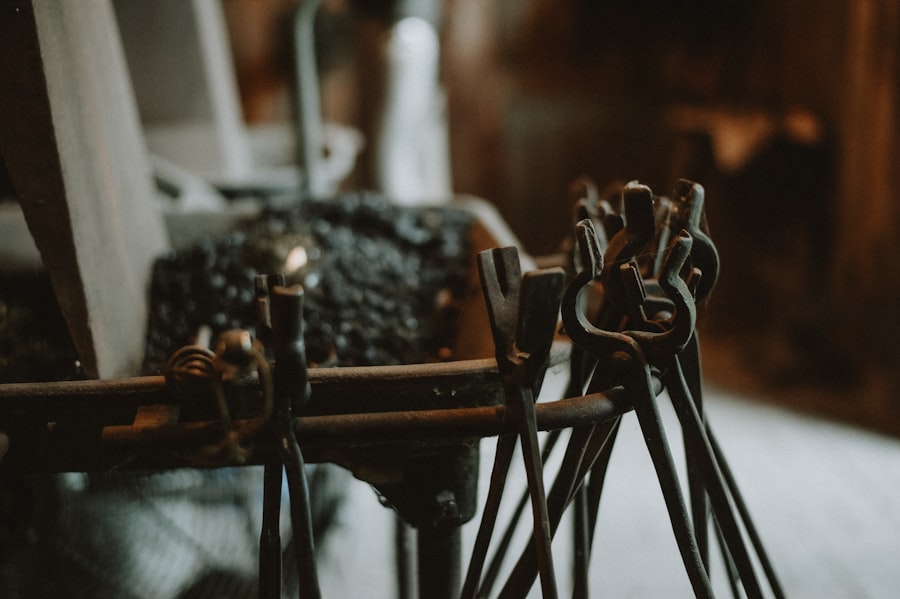
Superior Strength-to-Weight Ratio
Forged components are often lighter than cast or machined parts while still providing exceptional strength and durability. This characteristic is particularly advantageous in industries such as aerospace and automotive, where weight reduction can lead to improved fuel efficiency and performance.
Enhanced Fatigue Resistance
Forged products exhibit enhanced fatigue resistance compared to other manufacturing methods. The continuous grain structure created during forging contributes to this resilience, allowing these components to withstand repeated stress without failure.
Ideal Choice for Critical Applications
As I consider these benefits, it becomes clear why many industries prefer forged products over alternatives. The combination of strength, durability, and reliability makes them an ideal choice for critical applications where performance is paramount.
Choosing the Right Material for Forged Products
Selecting the right material for forged products is a decision that requires careful consideration. I have learned that various factors influence this choice, including mechanical properties, environmental conditions, and cost-effectiveness. For instance, high-strength low-alloy (HSLA) steels are often chosen for their excellent strength-to-weight ratio and weldability, making them suitable for automotive applications.
On the other hand, materials like titanium are favored in aerospace due to their lightweight nature and resistance to corrosion at high temperatures. As I delve deeper into material selection, I realize that understanding the specific requirements of an application is crucial for making informed decisions. This knowledge empowers engineers and manufacturers to choose materials that not only meet performance criteria but also align with budgetary constraints.
Testing and Inspection of Forged Products
Testing and inspection are vital components in ensuring the quality and reliability of forged products. Throughout my exploration of this topic, I have come to appreciate the various methods employed to assess these components’ integrity. Non-destructive testing (NDT) techniques such as ultrasonic testing and magnetic particle inspection allow manufacturers to detect internal flaws without damaging the product itself.
Additionally, mechanical testing methods like tensile tests and impact tests provide valuable insights into a material’s performance under stress. These assessments help ensure that forged products meet industry standards and customer expectations. As I reflect on this aspect of manufacturing, I recognize that thorough testing not only safeguards against potential failures but also reinforces trust between manufacturers and their clients.
Maintenance and Care for Forged Products
Proper maintenance and care are essential for maximizing the lifespan of forged products. I have learned that regular inspections can help identify wear or damage early on, allowing for timely repairs or replacements before issues escalate. For instance, in machinery applications, lubricating moving parts can reduce friction and wear, ultimately extending the life of forged components.
Furthermore, environmental factors such as moisture and corrosive substances can significantly impact the durability of forged products. Implementing protective coatings or finishes can help mitigate these risks by providing an additional layer of defense against corrosion and wear. As I consider these maintenance practices, it becomes evident that proactive care is key to ensuring that forged products continue to perform optimally throughout their intended lifespan.
Comparing Forged Products with Other Manufacturing Methods
When comparing forged products with other manufacturing methods such as casting or machining, I find several distinct advantages that set forging apart. One notable difference is the grain structure inherent in forged components; this continuous grain flow enhances strength and toughness compared to cast parts with more random grain patterns. Additionally, forging typically results in less material waste since it involves shaping metal rather than removing it from a larger block.
While machining offers precision for intricate designs, it often comes at a higher cost due to material removal processes. In contrast, forging can produce large quantities of uniform parts more efficiently. As I weigh these factors, it becomes clear that each manufacturing method has its place in industry; however, for applications requiring high strength and reliability, forged products often emerge as the superior choice.
The Future of Forged Products: Innovations and Advancements
As I look toward the future of forged products, I am excited by the innovations and advancements on the horizon. The integration of advanced technologies such as artificial intelligence (AI) and machine learning into manufacturing processes holds great promise for enhancing efficiency and quality control. These technologies can analyze vast amounts of data to optimize production parameters and predict potential failures before they occur.
Moreover, developments in materials science are paving the way for new alloys with improved properties tailored for specific applications. For instance, researchers are exploring lightweight composites that maintain strength while reducing weight—an essential consideration in industries like aerospace where every gram counts. As I contemplate these advancements, I am optimistic about the future of forged products and their continued evolution in meeting the demands of an ever-changing world.
In conclusion, my exploration of forged products has deepened my understanding of their significance across various industries. From their historical roots to modern innovations, forged products represent a blend of art and engineering that continues to shape our world today. As I reflect on this journey, I am reminded of the importance of quality, durability, and innovation in creating components that stand the test of time.
If you are interested in learning more about the art of forging, you may want to check out the article Mastering Medieval Blacksmithing Techniques. This article delves into the traditional techniques used by blacksmiths during the medieval period and how they can be applied in modern forging practices. It provides valuable insights into the history and evolution of the craft, making it a must-read for anyone looking to deepen their understanding of forged products.