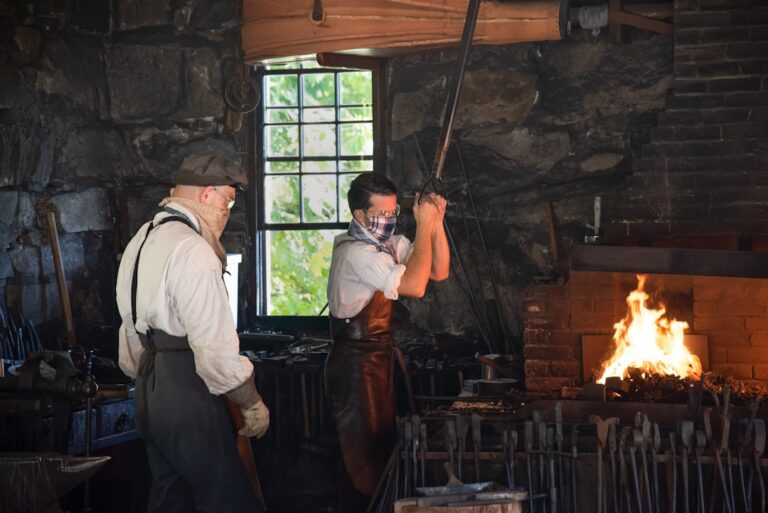
As I delve into the world of blacksmithing, I find myself captivated by the blend of artistry and craftsmanship that this ancient trade embodies. Blacksmithing at home offers a unique opportunity to connect with a time-honored tradition while creating functional and beautiful pieces. The allure of shaping metal with fire and hammer is not just about the end product; it’s about the journey of learning and the satisfaction that comes from working with my hands. In a world increasingly dominated by technology, blacksmithing provides a refreshing escape, allowing me to engage in a tactile and immersive experience.
Setting up a blacksmithing space at home may seem daunting, but it is entirely feasible with the right mindset and resources. I have discovered that even a small workshop can yield impressive results, as long as I am willing to invest time and effort into honing my skills. The beauty of blacksmithing lies in its accessibility; with a few essential tools and a bit of creativity, I can transform raw materials into stunning works of art. This article will explore the rich history of blacksmithing, its significance, the benefits of learning this craft at home, and the tools and techniques necessary for success.
If you’re intrigued by the benefits of learning blacksmithing at home, you might also find value in exploring the article on getting started with blacksmithing. This resource provides essential insights and practical tips for beginners, making it a perfect complement to understanding the hidden advantages of honing this craft. To read more, visit this article.
Key Takeaways
- Blacksmithing is a valuable traditional craft that can be learned and practiced at home.
- Understanding the history of blacksmithing highlights its cultural and practical significance.
- Learning blacksmithing at home offers benefits like skill development, creativity, and potential income.
- Essential tools and strict safety precautions are crucial for effective and safe blacksmithing.
- Mastering techniques opens up creative opportunities and the chance to generate income from handmade items.
The History and Importance of Blacksmithing
Blacksmithing has roots that stretch back thousands of years, making it one of humanity’s oldest trades. The craft began with the discovery of metals and their potential for manipulation, evolving from simple hammering techniques to the sophisticated methods we see today. As I learn more about its history, I am fascinated by how blacksmiths played a crucial role in shaping societies. They were not merely artisans; they were essential contributors to the development of tools, weapons, and infrastructure that propelled civilizations forward.
The importance of blacksmithing extends beyond its practical applications. It has been a symbol of strength, resilience, and creativity throughout history. In many cultures, blacksmiths were revered figures, often seen as magicians who could transform raw materials into something extraordinary. This reverence is reflected in folklore and mythology, where blacksmiths are often depicted as powerful beings capable of forging legendary weapons or crafting intricate jewelry. Understanding this historical context enriches my appreciation for the craft and motivates me to carry on this legacy in my own home workshop.
The Benefits of Learning Blacksmithing at Home
Learning blacksmithing at home offers numerous benefits that extend beyond mere skill acquisition. For one, it fosters a sense of self-sufficiency and independence. As I immerse myself in this craft, I gain the ability to create custom tools, decorative items, or even functional pieces for my home. This empowerment is incredibly rewarding; I no longer have to rely solely on mass-produced goods when I can forge my own creations tailored to my needs.
Moreover, blacksmithing serves as an excellent outlet for stress relief and personal expression. The rhythmic sound of hammer striking metal, combined with the heat of the forge, creates a meditative atmosphere that allows me to escape from daily pressures. Each piece I create becomes a reflection of my personality and creativity, providing a sense of accomplishment that is hard to replicate in other hobbies. Additionally, as I develop my skills, I find myself part of a vibrant community of fellow blacksmiths who share tips, techniques, and inspiration, further enriching my experience.
Tools and Equipment Needed for Blacksmithing
To embark on my blacksmithing journey at home, I quickly realized that having the right tools and equipment is essential for success. At the core of any blacksmith’s toolkit is the forge, which provides the heat necessary to soften metal for shaping. While traditional coal forges are popular, I have found that propane forges are more accessible for beginners like me due to their ease of use and lower maintenance requirements.
In addition to the forge, I need a sturdy anvil to serve as my work surface. The anvil is where I will shape and refine my creations, so investing in a quality piece is crucial. Other essential tools include hammers, tongs, chisels, and safety gear such as gloves and goggles. As I gather these items, I am reminded that while the initial investment may seem significant, each tool will serve me well for years to come as I continue to develop my skills.
In exploring the benefits of learning blacksmithing at home, one might find it valuable to read about the intricacies of using a propane forge, which can enhance the blacksmithing experience significantly. This related article delves into the essential techniques and tips for mastering the art of blacksmithing with a propane forge, providing insights that can complement the skills gained from home practice. For more information, you can check out the article here: mastering the art of blacksmithing with a propane forge.
Safety Precautions for Blacksmithing at Home
Safety is paramount when engaging in blacksmithing at home. The combination of heat, sharp tools, and heavy materials necessitates a cautious approach to ensure my well-being. One of the first steps I took was to establish a dedicated workspace that is well-ventilated and free from flammable materials. This precaution helps mitigate the risks associated with working with fire and hot metal.
Wearing appropriate safety gear is another critical aspect of my blacksmithing practice.
I always don protective gloves to shield my hands from burns and cuts while using tongs to handle hot metal.
Safety goggles are essential for protecting my eyes from flying sparks and debris during the forging process. Additionally, I make it a habit to keep a fire extinguisher nearby as an added layer of security. By prioritizing safety measures, I can focus on honing my skills without unnecessary worry.
In exploring the benefits of learning blacksmithing at home, you might find it interesting to read about the intricate techniques involved in medieval blacksmithing. This related article delves into the mastery of these age-old skills, providing valuable insights that can enhance your understanding and practice of blacksmithing. For more information, you can check out the article on By building a portfolio of work and establishing an online presence through social media or a personal website, I can showcase my craftsmanship to potential customers. The demand for handmade items continues to grow as people seek unique alternatives to mass-produced goods. This entrepreneurial aspect adds an exciting layer to my blacksmithing journey; not only do I get to create art but also potentially turn my passion into a profitable venture. In conclusion, learning blacksmithing at home has proven to be an enriching experience that combines history, creativity, and practical skills. As I reflect on my journey thus far, I recognize that this craft offers more than just the ability to forge metal; it provides an avenue for personal growth and self-expression. The sense of accomplishment that comes from creating something with my own hands is unparalleled. Moreover, blacksmithing has connected me with a community of like-minded individuals who share my passion for this ancient art form. Together, we exchange ideas, techniques, and encouragement as we navigate our respective journeys in this craft. Ultimately, the hidden advantage of learning blacksmithing at home lies in its ability to foster resilience, creativity, and self-sufficiency—qualities that extend far beyond the forge itself and into every aspect of life. As I continue to explore this fascinating world, I am excited about the endless possibilities that lie ahead in my blacksmithing adventure. To start blacksmithing at home, you typically need an anvil, a forge (which can be coal, gas, or electric), a hammer, tongs, and safety equipment such as gloves and eye protection. Additional tools may include chisels, punches, and a wire brush. Yes, learning blacksmithing at home can be safe if proper safety precautions are followed. This includes using protective gear, working in a well-ventilated area, keeping a fire extinguisher nearby, and understanding how to handle hot metal and tools correctly. Learning blacksmithing at home offers flexibility in scheduling, the ability to practice at your own pace, and often lower costs since you avoid class fees. It also allows for a personalized workspace and the opportunity to develop skills independently. The time to learn basic blacksmithing skills varies depending on the individual’s dedication and practice frequency. Generally, with consistent practice, beginners can acquire fundamental skills within a few weeks to a few months. Yes, blacksmithing at home can be turned into a profitable hobby or small business by creating and selling handmade items such as knives, tools, decorative pieces, and custom metalwork. Success depends on skill level, marketing, and product quality.The Hidden Advantage of Learning Blacksmithing at Home
FAQs
What are the basic tools needed to start blacksmithing at home?
Is it safe to learn blacksmithing at home?
What are the benefits of learning blacksmithing at home compared to a workshop?
How long does it typically take to learn basic blacksmithing skills at home?
Can blacksmithing at home be a profitable hobby or business?