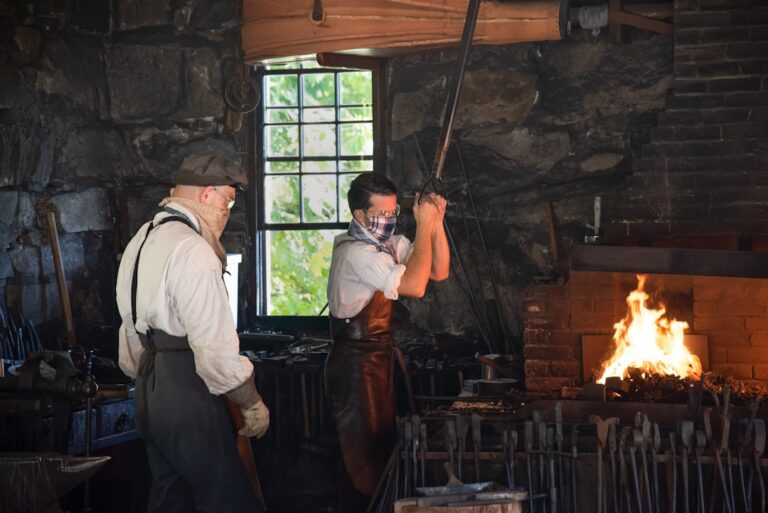
Blacksmithing is an ancient craft that has evolved over centuries, yet its core principles remain unchanged. At its heart, blacksmithing involves heating metal until it becomes malleable and then shaping it into various forms using tools and techniques that have been passed down through generations. As we embark on our journey into this fascinating world, we must first grasp the fundamental concepts that underpin the craft.
The process typically begins with selecting the right type of metal, often iron or steel, which can be manipulated through heat and force. Understanding the properties of these metals, such as their melting points and how they respond to heat, is crucial for any aspiring blacksmith. Moreover, blacksmithing is not merely about forging metal; it is also about creativity and artistry.
Each piece we create tells a story, reflecting our personal style and the techniques we have honed over time. From functional items like tools and hardware to decorative pieces such as sculptures and jewelry, the possibilities are endless. As we delve deeper into blacksmithing, we will discover how to blend traditional methods with modern innovations, allowing us to push the boundaries of our craft while respecting its rich history.
Key Takeaways
- Blacksmithing involves heating and shaping metal using specialized tools and techniques.
- When choosing a propane forge, consider factors such as size, insulation, and fuel efficiency.
- Essential tools for blacksmithing include hammers, tongs, anvils, and safety equipment like gloves and goggles.
- Heating and shaping metal requires understanding the properties of different metals and using appropriate techniques.
- Developing techniques for different projects involves practice, experimentation, and learning from experienced blacksmiths.
Choosing the Right Propane Forge
Key Considerations for Choosing a Propane Forge
As we explore our options, we should consider factors such as size, portability, and temperature range. A larger forge may accommodate bigger projects, while a smaller, more portable model could be ideal for those of us who wish to take our craft on the road.
Construction Quality and Performance
In addition to size and portability, we must also evaluate the construction quality of the forge. A well-built propane forge will not only withstand high temperatures but also provide even heat distribution, which is vital for achieving consistent results. We should look for features such as adjustable burners and insulation materials that enhance efficiency.
Setting the Foundation for Success
Ultimately, selecting the right propane forge will set the foundation for our blacksmithing journey, enabling us to create with confidence and skill.
Essential Tools and Safety Equipment
Equipping ourselves with the right tools is crucial for successful blacksmithing. Beyond the forge itself, there are several essential tools that we must have in our arsenal. Hammers are perhaps the most iconic blacksmithing tools, and we should invest in a variety of sizes and shapes to suit different tasks.
Tongs are equally important, allowing us to grip hot metal safely while shaping it. Anvil selection is another critical consideration; a sturdy anvil provides a solid surface for hammering and shaping metal effectively. Safety equipment cannot be overlooked in our pursuit of blacksmithing mastery.
Working with high temperatures and heavy materials poses inherent risks, so we must prioritize our safety at all times. Protective gear such as safety glasses, gloves, and aprons made from heat-resistant materials are essential to shield us from sparks and hot metal splatter. Additionally, ensuring proper ventilation in our workspace will help mitigate the risks associated with fumes produced during the forging process.
By equipping ourselves with both the right tools and safety gear, we can focus on honing our skills while minimizing potential hazards.
Heating and Shaping Metal
| Process | Temperature Range | Equipment |
|---|---|---|
| Forging | 1000-1250°C | Hammer, Press |
| Rolling | 800-1100°C | Rolling Mill |
| Extrusion | 300-500°C | Extrusion Press |
| Annealing | 300-700°C | Furnace |
Heating metal is a fundamental aspect of blacksmithing that requires both technique and patience. As we place our workpiece into the propane forge, we must monitor the temperature closely to ensure it reaches the optimal level for forging. Different metals have varying heating requirements; for instance, mild steel typically becomes workable at around 1,500 degrees Fahrenheit.
Once the metal reaches this temperature, it becomes malleable enough for us to shape it using hammers and other tools. Shaping metal involves a combination of striking techniques and strategic movements. We should familiarize ourselves with different hammer strikes—such as fullering, drawing out, and upsetting—to achieve specific shapes and forms.
Each strike has its purpose, whether it’s creating a taper or adding texture to the surface of our workpiece. As we practice these techniques, we will develop a sense of rhythm and timing that enhances our ability to manipulate metal effectively. The more we experiment with different shapes and styles, the more confident we will become in our abilities as blacksmiths.
Developing Techniques for Different Projects
As we progress in our blacksmithing journey, we will encounter a diverse array of projects that require unique techniques and approaches. Whether we are crafting functional tools or artistic pieces, each project presents its own set of challenges that can help us grow as artisans. For instance, creating a simple hook may involve basic shaping techniques, while forging a complex knife requires precision in both heat treatment and edge geometry.
To develop our skills further, we should embrace experimentation and exploration. Trying out new techniques—such as pattern welding or forging damascus steel—can open up exciting possibilities for our creations. Additionally, studying the work of other blacksmiths can provide inspiration and insight into different methods and styles.
By continually pushing ourselves to learn and adapt, we can refine our techniques and expand our repertoire of skills.
Maintaining and Caring for Your Propane Forge
Cleaning and Inspection
We should make it a habit to inspect our forge after each use, removing any buildup that could hinder its efficiency.
Checking Burners and Gas Connections
Additionally, checking the burners for blockages or wear will help us avoid potential issues down the line. Another important aspect of caring for our propane forge is monitoring gas connections and hoses for leaks or damage. Regularly inspecting these components ensures that we can work safely without the risk of gas leaks or other hazards.
Benefits of Proper Maintenance
By taking proactive steps to maintain our forge, we not only extend its lifespan but also create a safer working environment that allows us to focus on honing our craft.
Advanced Tips and Tricks for Mastering Blacksmithing
As we become more comfortable with the basics of blacksmithing, we can begin to explore advanced techniques that will elevate our skills to new heights. One such technique is heat treating—an essential process that involves hardening or tempering metal to enhance its strength and durability. Understanding how different metals respond to heat treatment allows us to create tools and blades that perform exceptionally well under stress.
Additionally, mastering decorative techniques can set our work apart from others in the field. Techniques such as twisting, scrolling, or adding intricate details can transform a simple piece into a stunning work of art. We should not shy away from experimenting with these methods; each attempt will teach us something new about both the material we are working with and our own creative capabilities.
By continually seeking out advanced tips and tricks from experienced blacksmiths or through workshops and online resources, we can refine our craft and push ourselves toward mastery.
Showcasing Your Craft: Selling and Displaying Your Blacksmithed Creations
Once we have honed our skills and created a collection of unique pieces, it’s time to consider how to showcase our work effectively. Selling our blacksmithed creations can be both rewarding and challenging; understanding our target audience is key to successful marketing. We should explore various avenues for selling our work—craft fairs, online marketplaces, or local galleries—each offering different opportunities to connect with potential customers.
In addition to selling our creations, displaying them in an appealing manner can significantly enhance their perceived value. Thoughtful presentation—whether through professional photography for online listings or an eye-catching booth at a craft fair—can draw attention to our work and highlight its craftsmanship.
By effectively showcasing our blacksmithed creations, we can share our passion with others while potentially turning our hobby into a thriving business venture. In conclusion, blacksmithing is a multifaceted craft that combines skill, creativity, and tradition. By understanding its basics, choosing the right tools and equipment, developing techniques for various projects, maintaining our workspace, exploring advanced methods, and effectively showcasing our work, we can embark on a fulfilling journey in this timeless art form.
As we continue to learn and grow as blacksmiths, we will not only create beautiful pieces but also contribute to the rich legacy of this ancient craft.
They offer a variety of resources and information on blacksmithing and propane forges. You can visit their website here to explore their content and gain valuable insights into this craft.