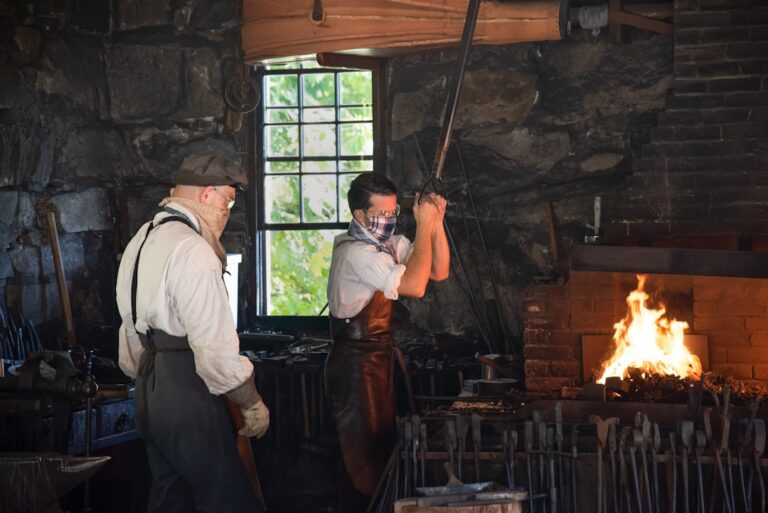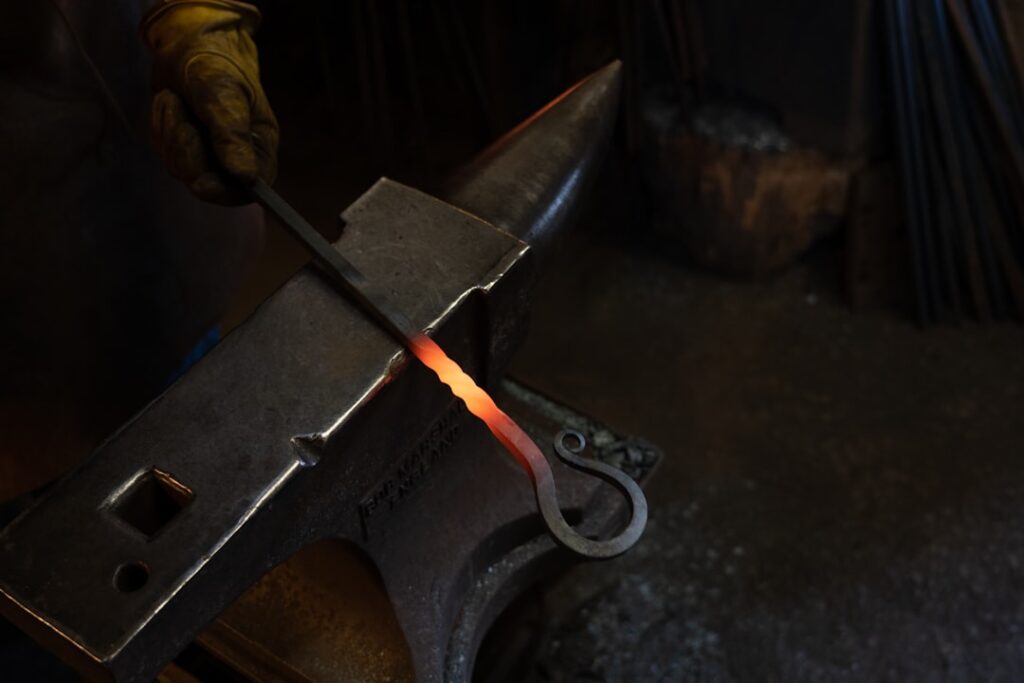
As we delve into the rich history of blacksmithing, we find ourselves transported back to ancient civilizations where the craft first took root. The origins of blacksmithing can be traced to the discovery of metals and the subsequent development of techniques to manipulate them.
The advent of ironworking around 1200 BCE marked a significant turning point, as it allowed for stronger and more durable products compared to their bronze predecessors. This transition not only revolutionized warfare but also transformed agriculture and daily life. Throughout history, blacksmithing has evolved alongside technological advancements.
In medieval Europe, blacksmiths became integral to the feudal system, providing essential services to knights and peasants alike. They forged horseshoes, plows, and armor, contributing to both the economy and the military might of their regions. As we moved into the Industrial Revolution, the craft underwent further transformation with the introduction of steam power and mechanization.
Despite these changes, the core principles of blacksmithing remained intact, emphasizing skill, creativity, and a deep understanding of materials. Today, we continue to honor this ancient craft while exploring its modern applications and artistic expressions.
Key Takeaways
- Blacksmithing has a rich history dating back to ancient times, with evidence of the craft found in various cultures around the world.
- Essential tools for blacksmithing include a forge, anvil, hammer, tongs, and safety equipment such as gloves and goggles.
- Techniques such as forging, welding, and shaping are essential skills for blacksmiths to master.
- Metal selection and heat treatment are crucial in determining the strength, durability, and appearance of the final product in blacksmithing.
- Blacksmithing is not just a practical craft, but also an art form that allows for creativity and unique designs to be incorporated into the finished pieces.
Essential Tools and Equipment for Blacksmithing
When we think about blacksmithing, a variety of tools come to mind that are essential for the craft. At the heart of our workshop lies the forge, where we heat metal to a malleable state. Traditional forges can be fueled by coal or charcoal, while modern versions may utilize gas or electric heating elements.
The choice of forge significantly impacts our work, as it determines how efficiently we can heat our materials. Alongside the forge, an anvil serves as a critical tool for shaping metal. Its solid surface allows us to hammer and manipulate heated metal into desired forms.
In addition to these primary tools, we rely on a range of hand tools that enhance our capabilities. Hammers of various sizes and shapes are indispensable for striking metal, while tongs help us grip hot pieces safely. Other tools such as chisels, punches, and files allow us to add intricate details and refine our work.
As we progress in our blacksmithing journey, we may also invest in specialized equipment like power hammers or hydraulic presses to increase efficiency and expand our creative possibilities.
Techniques and Skills: From Forging to Welding
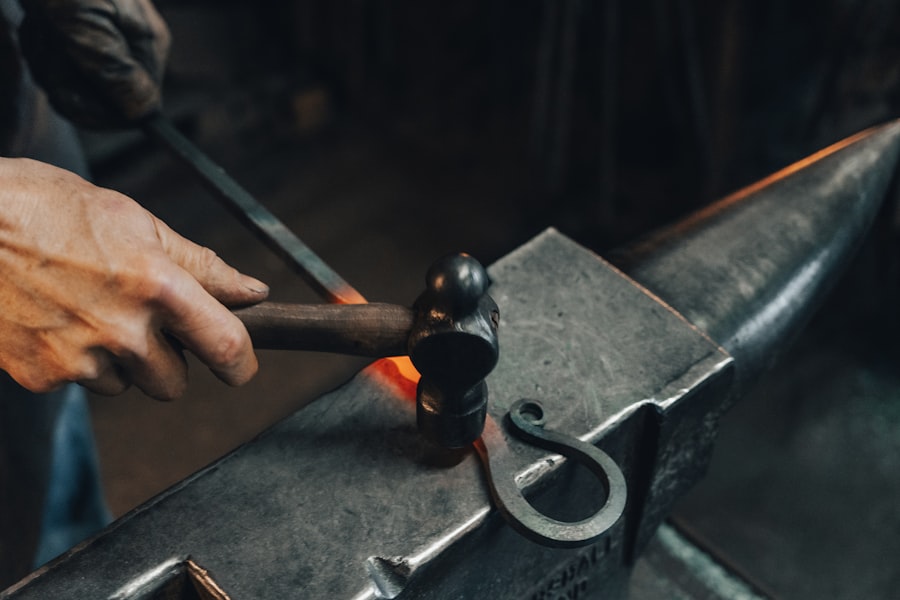
The art of blacksmithing encompasses a wide array of techniques that we must master to create functional and beautiful pieces. Forging is perhaps the most fundamental skill we develop, involving the process of shaping heated metal through hammering. This technique requires not only physical strength but also precision and an understanding of how different metals respond to heat and force. As we practice forging, we learn to control our strikes and angles, allowing us to create everything from simple hooks to complex sculptures. Welding is another essential technique that has gained prominence in modern blacksmithing.
While traditional blacksmithing often relied on forging joints together through heat and hammering, welding allows us to join pieces with greater strength and versatility. We explore various welding methods, including arc welding and gas welding, each offering unique advantages depending on the materials we are working with. As we hone our skills in both forging and welding, we find ourselves equipped to tackle increasingly complex projects that challenge our creativity and technical abilities.
The Importance of Metal Selection and Heat Treatment in Blacksmithing
| Metal Selection | Heat Treatment |
|---|---|
| Choose the right metal based on the intended use of the final product | Heat treatment can improve the hardness, strength, and ductility of the metal |
| Consider factors such as carbon content, alloying elements, and heat resistance | Processes like annealing, quenching, and tempering can be used to achieve desired properties |
| Metals commonly used in blacksmithing include steel, iron, and alloys like stainless steel | Proper heat treatment can prevent brittleness and enhance the metal’s performance |
Metal selection is a critical aspect of blacksmithing that directly influences the quality and functionality of our creations. Different metals possess unique properties that affect their strength, malleability, and resistance to corrosion. For instance, carbon steel is favored for its excellent hardness and ability to hold an edge, making it ideal for tools and knives.
On the other hand, wrought iron is known for its ductility and is often used in decorative applications due to its aesthetic appeal. As we embark on our blacksmithing projects, understanding the characteristics of various metals helps us make informed choices that align with our design intentions. Equally important is the process of heat treatment, which involves heating and cooling metals to alter their physical properties.
Techniques such as quenching and tempering allow us to enhance hardness or improve toughness in our finished pieces. By carefully controlling temperature and cooling rates, we can achieve specific results tailored to our needs. This knowledge not only enhances our craftsmanship but also ensures that our creations are durable and functional in their intended applications.
As we continue to experiment with different metals and heat treatment methods, we deepen our understanding of how these factors contribute to the overall success of our work.
Design and Creativity: Exploring the Artistic Side of Blacksmithing
While blacksmithing is often associated with functional items like tools and hardware, it also offers a rich canvas for artistic expression. As we immerse ourselves in this craft, we discover that design plays a pivotal role in shaping our creations. From intricate scrollwork on gates to elegant knife handles, the possibilities for artistic exploration are vast.
We learn to sketch our ideas before forging them into reality, allowing us to visualize how form and function can coexist harmoniously. Creativity in blacksmithing extends beyond mere aesthetics; it also involves problem-solving and innovation. As we encounter challenges during the forging process, we must think critically about how to overcome them while staying true to our design vision.
This interplay between creativity and technical skill fosters a unique sense of satisfaction as we bring our ideas to life. By embracing both the artistic and practical aspects of blacksmithing, we cultivate a deeper appreciation for this ancient craft while pushing its boundaries into new realms.
Safety Measures and Best Practices for Blacksmithing
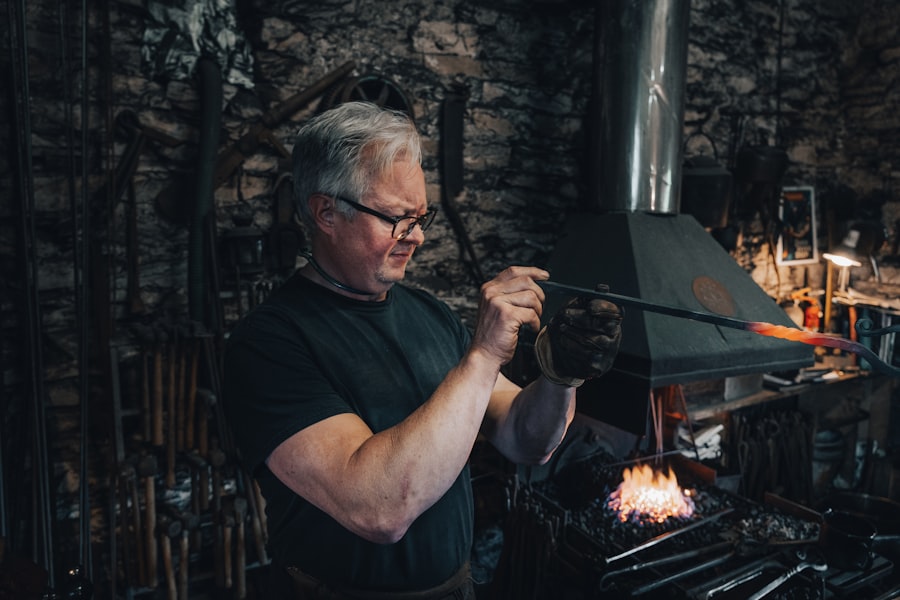
As we engage in blacksmithing, safety must always be at the forefront of our minds. The workshop environment presents various hazards, from extreme heat to sharp tools. Wearing appropriate personal protective equipment (PPE) is essential; this includes safety glasses to shield our eyes from sparks and flying debris, gloves to protect our hands from burns or cuts, and sturdy footwear to safeguard against heavy objects.
Additionally, maintaining a clean workspace helps minimize risks associated with tripping or accidents. We also recognize the importance of proper ventilation when working with forges or welding equipment. Fumes generated during these processes can be harmful if inhaled over time.
Ensuring adequate airflow in our workspace not only protects our health but also enhances our overall comfort while working. By adhering to best practices in safety and organization, we create an environment conducive to creativity and productivity while minimizing potential dangers associated with this rewarding craft.
The Role of Blacksmithing in Contemporary Society
In today’s fast-paced world dominated by mass production, blacksmithing holds a unique place as a symbol of craftsmanship and individuality. While many items can be produced quickly through automated processes, there remains a growing appreciation for handmade goods that reflect personal artistry and skill. Blacksmiths today often find themselves at the intersection of tradition and innovation, creating custom pieces that cater to specific needs or desires.
Moreover, blacksmithing has seen a resurgence in popularity as more individuals seek hands-on experiences that connect them with history and heritage. Workshops and classes are becoming increasingly accessible, allowing aspiring blacksmiths to learn from seasoned artisans while fostering a sense of community among practitioners. This revival not only preserves traditional techniques but also encourages new generations to explore their creativity through metalworking.
As we navigate contemporary society’s evolving landscape, blacksmithing continues to thrive as both an art form and a practical trade.
Tips for Aspiring Blacksmiths: How to Get Started and Improve Your Craft
For those eager to embark on their blacksmithing journey, there are several key tips that can help us get started on the right foot. First and foremost, seeking out quality instruction is crucial; whether through formal classes or mentorship from experienced blacksmiths, learning from others can accelerate our understanding of techniques and best practices. Additionally, investing in basic tools gradually allows us to build our workshop without overwhelming ourselves financially.
As we begin forging our own pieces, embracing experimentation is vital for growth. Mistakes are inevitable in any craft; rather than viewing them as failures, we should see them as opportunities for learning and improvement. Documenting our progress through sketches or notes can help us track what works well and what doesn’t as we refine our skills over time.
Finally, connecting with fellow blacksmiths through online forums or local guilds fosters a sense of camaraderie while providing valuable feedback on our work. In conclusion, blacksmithing is a multifaceted craft steeped in history that continues to evolve today. By understanding its origins, mastering essential techniques, prioritizing safety measures, and embracing creativity, we can cultivate our skills while contributing to this timeless art form’s legacy.
Whether we are forging functional tools or artistic masterpieces, the journey of blacksmithing offers endless opportunities for exploration and self-expression.
If you are interested in learning more about the world of professional blacksmithing, be sure to check out this article on Far Hills Forge. This website offers a wealth of information and resources for aspiring blacksmiths, including tips on getting started, building your own forge, and honing your skills. Whether you are a seasoned pro or just starting out, Far Hills Forge has something for everyone in the blacksmithing community.