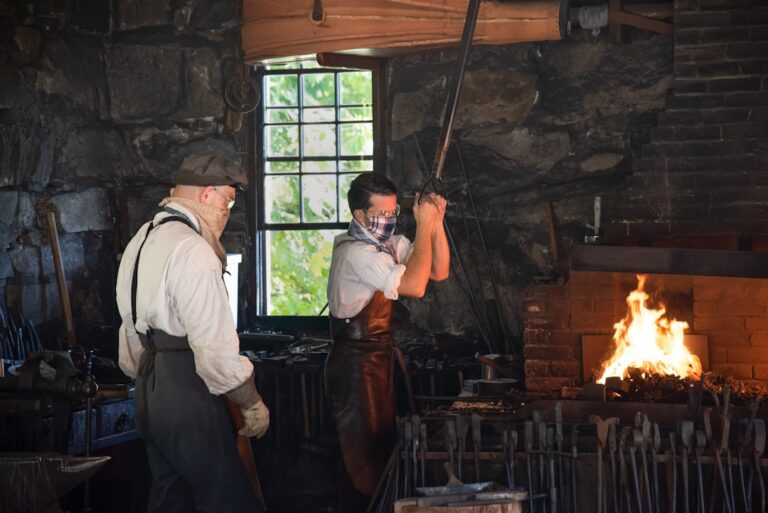
As we delve into the history of blacksmithing, we find ourselves tracing back to ancient civilizations where the craft first emerged. The earliest blacksmiths were pivotal figures in their communities, transforming raw materials into tools and weapons that were essential for survival. In ancient Egypt, for instance, blacksmiths played a crucial role in the production of bronze tools, which revolutionized agriculture and warfare.
The skill of manipulating metal was not merely a trade; it was an art form that required years of practice and dedication. As we explore this rich history, we recognize that blacksmithing has evolved significantly over the centuries, adapting to the needs and technologies of each era. Moving through time, we see how blacksmithing flourished during the Middle Ages, becoming a cornerstone of medieval society.
Blacksmiths were not only responsible for crafting horseshoes and agricultural implements but also for creating intricate ironwork for castles and churches. Their work was often celebrated in local communities, as they provided essential services that supported both daily life and the burgeoning economies of towns. As we reflect on this period, we appreciate how blacksmithing laid the groundwork for modern craftsmanship, blending practicality with artistry in ways that continue to inspire contemporary artisans.
Key Takeaways
- Blacksmithing has a long history, from ancient times to modern craftsmanship, evolving with the use of new tools and techniques.
- The role of the blacksmith in society has shifted from practicality to artistry, with blacksmiths now creating both functional and decorative pieces.
- Blacksmiths use fire and hammer to forge metal, employing traditional techniques that have been passed down through generations.
- Maker’s marks are used to identify and honor the work of blacksmiths, serving as a signature of quality and craftsmanship.
- The evolution of maker’s marks has seen a transition from traditional symbols to modern designs, reflecting the changing styles and preferences in blacksmithing.
The Role of the Blacksmith in Society: From Practicality to Artistry
In examining the role of the blacksmith in society, we recognize that their contributions extend far beyond mere functionality. Historically, blacksmiths were seen as vital community members, often regarded with a mix of respect and reverence. They were the go-to individuals for creating everything from simple tools to elaborate decorative pieces.
This duality of purpose—serving both practical needs and artistic aspirations—has defined the blacksmith’s role throughout history. As we consider this balance, we see how blacksmiths have shaped not only the physical landscape but also the cultural fabric of their communities. Today, while the practical demands of blacksmithing have shifted with technological advancements, the artistry inherent in the craft remains strong.
Modern blacksmiths often embrace their artistic side, creating unique pieces that reflect personal expression and creativity. This evolution has allowed blacksmithing to flourish as a respected art form, with many artisans showcasing their work in galleries and exhibitions. As we engage with this contemporary landscape, we find that the blacksmith’s role has transformed into one that celebrates both heritage and innovation, bridging the gap between tradition and modernity.
The Tools and Techniques of the Blacksmith: Forging Metal with Fire and Hammer
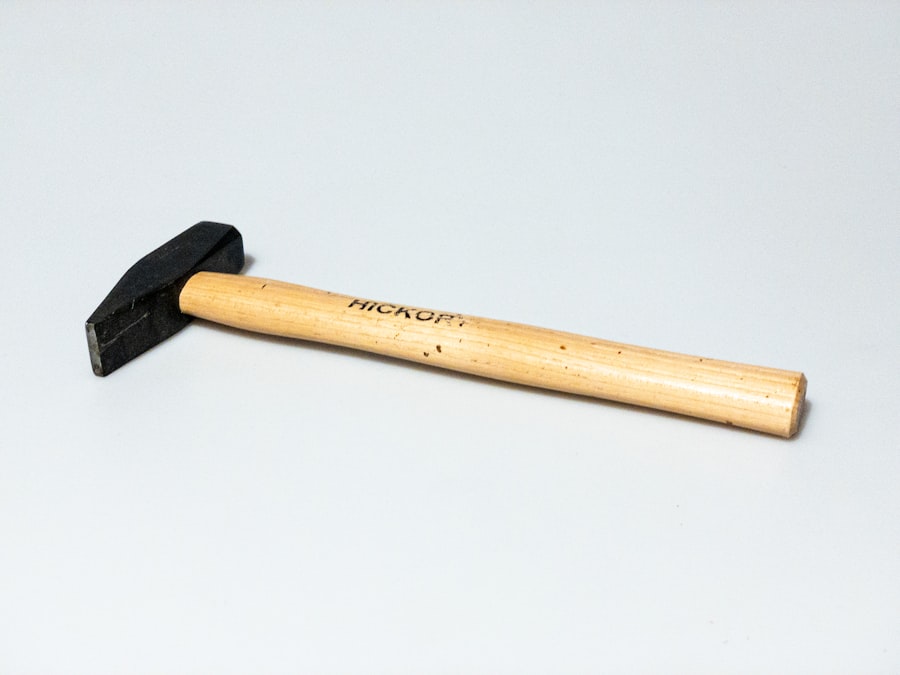
The tools and techniques employed by blacksmiths are as varied as the craft itself. At the heart of blacksmithing lies the forge, where intense heat transforms metal into a malleable state.
Traditional tools such as hammers, anvils, and tongs are essential for shaping and refining metal into desired forms. Each tool serves a specific purpose, allowing blacksmiths to create everything from functional items to intricate works of art.
In addition to these fundamental tools, modern blacksmiths often incorporate advanced techniques and equipment into their practice. The introduction of power hammers and hydraulic presses has revolutionized the craft, enabling artisans to achieve greater precision and efficiency. However, despite these advancements, many blacksmiths still adhere to traditional methods, valuing the tactile connection between hand and material. As we explore this blend of old and new techniques, we gain a deeper appreciation for the craftsmanship involved in each piece created by a blacksmith.
The Significance of the Maker’s Mark: Identifying and Honoring the Blacksmith’s Work
| Significance | Metrics |
|---|---|
| Identification | Allows for the identification of the blacksmith who created the piece |
| Authenticity | Confirms the authenticity of the blacksmith’s work |
| Historical Value | Provides historical value by preserving the legacy of the blacksmith |
| Honoring Craftsmanship | Recognizes and honors the skill and craftsmanship of the blacksmith |
The maker’s mark holds significant importance in the world of blacksmithing, serving as a personal signature that identifies an artisan’s work. This mark is not merely a symbol; it represents the dedication and skill that goes into each piece crafted by a blacksmith. As we consider its significance, we recognize that a maker’s mark is a way for artisans to establish their identity within a rich tradition.
It allows them to connect with customers and collectors who value authenticity and craftsmanship. Moreover, maker’s marks serve as a historical record of sorts, providing insight into the lineage of craftsmanship. When we encounter a piece bearing a specific mark, we can trace its origins back to a particular artisan or workshop.
This connection fosters a sense of appreciation for the craft itself and honors the legacy of those who have come before us. As we reflect on this aspect of blacksmithing, we understand that maker’s marks are not just identifiers; they are symbols of pride and craftsmanship that resonate through generations.
The Evolution of Maker’s Marks: From Traditional Symbols to Modern Designs
As we explore the evolution of maker’s marks, we observe how these symbols have transformed over time. In earlier periods, marks were often simple designs or initials that conveyed essential information about the artisan or their workshop. These traditional symbols were practical in nature, serving as a means of identification in an era when craftsmanship was deeply intertwined with local communities.
As we delve into this history, we appreciate how these marks reflect not only individual artisans but also broader cultural trends. In contemporary times, maker’s marks have taken on new forms and meanings. Many modern blacksmiths choose to create unique designs that reflect their personal style or artistic vision.
This shift towards individuality allows artisans to express themselves more freely while still honoring traditional practices. As we examine these modern designs, we see how they encapsulate both heritage and innovation, bridging the gap between past and present in a way that resonates with today’s audiences.
The Artistry of Maker’s Marks: How Blacksmiths Showcase Their Individuality and Skill
The artistry behind maker’s marks is a fascinating aspect of blacksmithing that showcases an artisan’s individuality and skill. Each mark is a reflection of the blacksmith’s personality, often incorporating elements that resonate with their creative vision or personal story. As we consider this artistic expression, we recognize that maker’s marks are not merely functional; they are an extension of the artisan’s identity.
This connection between mark and maker adds depth to each piece created, inviting viewers to engage with the work on a more personal level. Furthermore, the process of designing a maker’s mark requires careful thought and consideration. Blacksmiths must balance aesthetics with practicality, ensuring that their mark is both visually appealing and easily recognizable.
This challenge fosters creativity and innovation within the craft, pushing artisans to explore new ideas while remaining rooted in tradition. As we reflect on this interplay between artistry and craftsmanship, we gain a deeper appreciation for the skill involved in creating not just functional pieces but also meaningful symbols that represent each artisan’s journey.
The Importance of Maker’s Marks in Blacksmithing: Building a Legacy and Reputation
In the realm of blacksmithing, maker’s marks play a crucial role in building an artisan’s legacy and reputation. A well-recognized mark can elevate an artisan’s work within the community and beyond, establishing them as a respected figure in their field. As we consider this aspect of craftsmanship, we understand that maker’s marks are not just identifiers; they are integral to an artisan’s professional identity.
They signify quality and authenticity, allowing customers to trust in the work produced by a particular blacksmith. Moreover, maker’s marks contribute to the preservation of craftsmanship as a whole. By establishing a recognizable identity within their work, artisans help ensure that their skills are passed down through generations.
This legacy fosters a sense of continuity within the craft, connecting contemporary blacksmiths with those who came before them. As we reflect on this importance, we recognize that maker’s marks serve as both personal signatures and cultural touchstones that honor the rich history of blacksmithing.
Collecting and Preserving Maker’s Marks: Recognizing and Valuing the Work of Blacksmiths
As collectors and enthusiasts of blacksmithing, we find ourselves drawn to the significance of maker’s marks in recognizing and valuing an artisan’s work. Collecting pieces adorned with unique marks allows us to appreciate not only the craftsmanship involved but also the stories behind each piece. By seeking out work from various artisans, we contribute to preserving their legacies while celebrating their individual contributions to the craft.
Preserving maker’s marks also involves documenting their history and significance within the broader context of blacksmithing. As we engage with this aspect of collecting, we become part of a community that values craftsmanship and artistry. By sharing our knowledge and experiences with others, we help ensure that future generations will continue to appreciate the rich heritage of blacksmithing and its makers’ marks.
If you are interested in learning more about blacksmith maker’s marks, be sure to check out the article on Far Hills Forge’s website titled “Hello World”. This article provides valuable information on the history and significance of maker’s marks in the blacksmithing industry. Far Hills Forge is a reputable source for all things related to blacksmithing, so be sure to explore their website for more informative content on this fascinating craft.