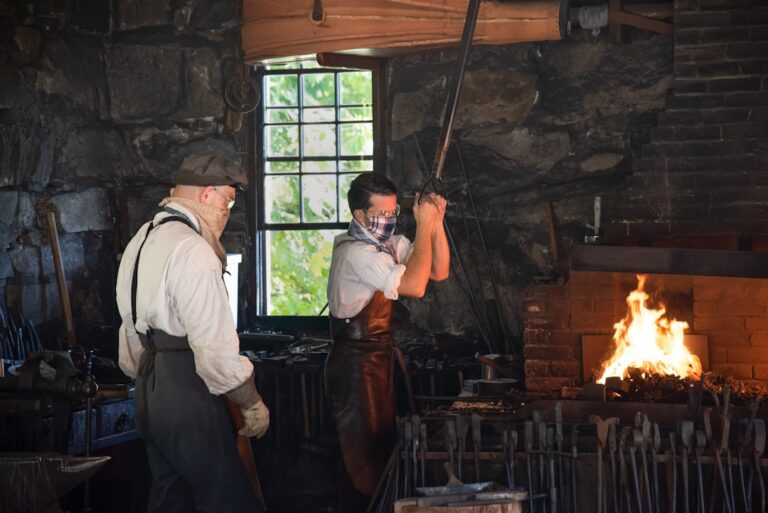
When I think about the importance of ventilation in any workspace, especially in a forge, I realize how critical it is to ensure that air circulates freely. A forge without proper ventilation can quickly become a hazardous environment. The buildup of toxic fumes and gases can lead to serious health issues for anyone working in that space. I have often found myself gasping for fresh air when the forge is running, and it’s a stark reminder of how essential it is to have a well-ventilated area. Without adequate airflow, the risk of carbon monoxide poisoning increases significantly, which is a silent killer that can go unnoticed until it’s too late.
Moreover, the lack of proper ventilation can also affect the quality of the work being produced. When I am forging metal, the heat and smoke generated need to dissipate effectively; otherwise, they can interfere with the forging process itself. I have experienced times when the smoke clouded my vision, making it difficult to see what I was doing. This not only hampers productivity but can also lead to mistakes that could compromise the integrity of the workpiece. Therefore, ensuring that my forge has sufficient ventilation is not just a matter of comfort; it is essential for safety and quality.
In exploring the reasons why most home forges fail long term, it’s essential to consider the importance of proper protective gear for blacksmiths. A related article discusses the significance of blacksmith aprons, which not only provide safety but also contribute to the overall experience in the forge. For more insights on how protective clothing can enhance your blacksmithing journey, check out this article on the essential blacksmith aprons.
Key Takeaways
- Proper ventilation is crucial to ensure safe and efficient forge operation.
- Adequate insulation helps maintain consistent heat and improves fuel efficiency.
- Effective fuel management prevents waste and ensures optimal combustion.
- Implementing safety measures reduces the risk of accidents and injuries.
- Regular maintenance and correct forge design are essential for longevity and performance.
Inadequate Insulation
In my experience, inadequate insulation in a forge can lead to a multitude of problems that affect both efficiency and safety. When the walls and ceilings of the forge are not properly insulated, heat escapes rapidly, making it difficult to maintain the high temperatures necessary for effective metalworking. I have often found myself battling against the cold creeping in from poorly insulated areas, which not only wastes fuel but also prolongs the time it takes to reach the desired temperature for forging. This inefficiency can be frustrating, especially when I am on a tight schedule or working on a critical project.
Additionally, inadequate insulation can pose safety risks as well. The extreme temperatures generated in a forge can cause nearby surfaces to become dangerously hot, creating a fire hazard. I have seen firsthand how flammable materials can ignite if they are placed too close to an uninsulated area. This has made me acutely aware of the importance of using proper insulation materials that can withstand high temperatures while also preventing heat loss. By investing in better insulation, I not only improve my working conditions but also enhance the overall safety of my workspace.
Poor Fuel Management
Fuel management is another critical aspect of operating a forge that I have learned to prioritize over time. Poor fuel management can lead to inefficient burning, which not only wastes resources but also affects the quality of the work being done. I have encountered situations where using the wrong type or amount of fuel resulted in inconsistent heat levels, making it challenging to achieve the desired results in my metalwork. It’s essential to understand the specific fuel requirements for my forge and ensure that I am using them correctly to maintain optimal performance.
Moreover, poor fuel management can also lead to environmental concerns. I have become increasingly aware of how my choices impact not just my immediate workspace but also the broader environment. Using fuels that produce excessive smoke or harmful emissions can contribute to air pollution and negatively affect my health and that of those around me. By adopting better fuel management practices—such as using cleaner-burning fuels and monitoring consumption—I can create a more sustainable forging process while also enhancing my own safety and efficiency.
Inadequate Safety Measures
Safety should always be at the forefront of any forging operation, and I have learned this lesson through experience. Inadequate safety measures can lead to accidents that could have been easily prevented with proper precautions in place. I remember a time when I neglected to wear appropriate protective gear while working with hot metals, resulting in burns that could have been avoided. This experience taught me the importance of always prioritizing safety by wearing gloves, goggles, and other protective equipment designed for high-temperature environments.
Furthermore, inadequate safety measures extend beyond personal protective equipment. I have come to understand that having clear safety protocols and emergency procedures is vital in a forge setting. For instance, knowing how to respond in case of a fire or an injury can make all the difference in preventing a minor incident from escalating into a major disaster. Regular safety drills and training sessions are essential for ensuring that everyone working in the forge is prepared for emergencies. By fostering a culture of safety, I not only protect myself but also contribute to a safer working environment for my colleagues.
Many aspiring blacksmiths often find that their home forges struggle to meet their long-term needs, leading to frustration and eventual abandonment of the craft. A deeper understanding of the art and techniques involved can significantly enhance the forging experience. For those looking to improve their skills and avoid common pitfalls, exploring resources like The Art of Blacksmithing: Mastering the Craft can provide valuable insights and guidance. By learning from experienced blacksmiths, hobbyists can create a more sustainable and enjoyable forging environment.
Improper Forge Design
The design of a forge plays a significant role in its overall functionality and efficiency, and I have learned this through trial and error. An improperly designed forge can lead to numerous issues, such as uneven heating or difficulty in accessing tools and materials. I recall a time when my forge was cramped and poorly laid out, making it challenging to move around safely while working with hot metals. This not only slowed down my workflow but also increased the risk of accidents occurring due to limited space.
Additionally, an improper forge design can hinder airflow and ventilation, exacerbating issues related to heat control and fume buildup. I have come to appreciate the importance of having a well-thought-out design that allows for adequate airflow while also providing easy access to tools and materials. By investing time in planning and designing an efficient workspace, I can enhance both my productivity and safety while working in the forge.
Lack of Maintenance
Regular maintenance is crucial for keeping any forge running smoothly, and I have learned this lesson through experience. A lack of maintenance can lead to equipment failures that disrupt workflow and create unsafe conditions. For instance, I once neglected to check the condition of my forge’s burners, which eventually led to inconsistent heating and increased fuel consumption. This experience taught me that regular inspections and maintenance are essential for ensuring that all components are functioning correctly.
Moreover, neglecting maintenance can also result in costly repairs down the line. I have seen how small issues can escalate into major problems if not addressed promptly. By dedicating time to routine maintenance tasks—such as cleaning burners, checking insulation, and inspecting safety equipment—I can prevent larger issues from arising while also extending the lifespan of my tools and equipment. This proactive approach not only saves me money but also enhances my overall efficiency in the forge.
Inadequate Heat Control
Heat control is one of the most critical aspects of forging that I have come to appreciate over time. Inadequate heat control can lead to inconsistent results and even damage to the materials being worked on. I remember a project where I failed to monitor the temperature closely enough, resulting in metal that was either overcooked or underheated. This experience highlighted the importance of having reliable temperature control mechanisms in place.
To achieve optimal results in forging, it is essential to maintain precise temperature levels throughout the process. I have invested in thermocouples and pyrometers that allow me to monitor temperatures accurately while working with different metals. By maintaining better heat control, I can ensure that each piece is forged correctly, leading to higher quality work and greater satisfaction with the final product.
Use of Improper Materials
The choice of materials used in forging is another area where I have learned valuable lessons over time.
Using improper materials can lead to subpar results and even compromise safety during the forging process.
For instance, I once attempted to forge a piece using low-quality steel that was not suited for high-temperature applications; this resulted in a weak final product that failed under stress. This experience taught me the importance of selecting materials that are appropriate for the specific application at hand.
Additionally, using improper materials can also affect the overall efficiency of the forging process. I have found that high-quality materials often require less energy to heat and shape effectively compared to lower-quality alternatives. By investing in better materials from reputable suppliers, I not only improve the quality of my work but also enhance my overall efficiency in the forge. Understanding material properties has become an essential part of my forging practice, allowing me to make informed decisions that lead to better outcomes.
In conclusion, my journey as a blacksmith has been filled with valuable lessons about the various factors that contribute to successful forging operations. From ensuring proper ventilation and insulation to managing fuel effectively and prioritizing safety measures, each aspect plays a crucial role in creating a safe and efficient workspace. By continuously learning from my experiences and making improvements where necessary, I strive to enhance both my skills as a craftsman and the quality of my work in the forge.
FAQs
What are common reasons home forges fail in the long term?
Common reasons include poor construction materials, inadequate insulation, improper fuel management, and lack of regular maintenance. These factors can lead to inefficient heating, structural damage, and eventual failure of the forge.
How does insulation affect the longevity of a home forge?
Proper insulation is crucial for retaining heat and protecting the forge’s structure from thermal stress. Without adequate insulation, the forge can lose heat quickly, causing excessive fuel consumption and damage to the forge walls, which reduces its lifespan.
What role does fuel type play in the success of a home forge?
The choice of fuel impacts temperature control, efficiency, and cleanliness. Using inappropriate or low-quality fuel can cause inconsistent heat, excessive smoke, and residue buildup, all of which contribute to forge deterioration over time.
Why is regular maintenance important for home forges?
Regular maintenance helps identify and repair wear and tear, remove ash and debris, and ensure all components function correctly. Neglecting maintenance can lead to safety hazards and accelerate the forge’s decline.
Can design flaws contribute to the failure of home forges?
Yes, design flaws such as poor airflow, incorrect dimensions, or inadequate ventilation can cause uneven heating, fuel inefficiency, and structural issues, all of which increase the likelihood of long-term failure.