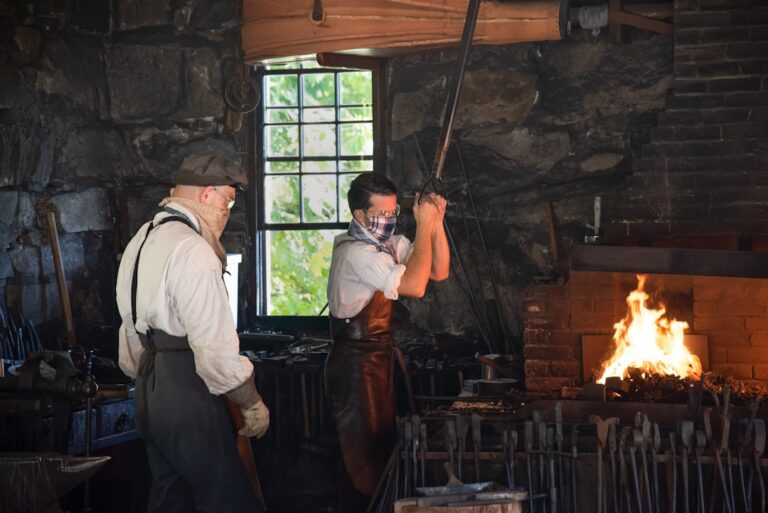
Blacksmith forging is an ancient craft that has stood the test of time, evolving from a necessity in daily life to a respected art form. At its core, blacksmithing involves heating metal until it becomes malleable and then shaping it through various techniques, such as hammering, bending, and twisting. This process allows us to create everything from functional tools and hardware to intricate decorative pieces.
Understanding the fundamentals of blacksmith forging is essential for anyone looking to embark on this rewarding journey. The history of blacksmithing is rich and varied, with roots tracing back thousands of years. In ancient times, blacksmiths played a crucial role in society, crafting weapons, armor, and tools that were vital for survival.
Today, while the practical applications of blacksmithing have diminished in many areas, the craft remains popular among hobbyists and artisans who appreciate the skill and artistry involved. As we delve into the world of blacksmithing, we find that it is not just about shaping metal; it is also about connecting with a tradition that has shaped human civilization.
Key Takeaways
- Blacksmith forging involves shaping and manipulating metal using heat and force
- Beginners should consider factors like cost, space, and fuel type when choosing a forge
- Essential tools for blacksmith forging include hammers, tongs, anvil, and safety equipment
- Safety precautions for beginners include wearing protective gear and working in a well-ventilated area
- Selecting the right fuel for your forge depends on factors like cost, availability, and heat output
Choosing the Right Forge for Beginners
Coal Forges: Traditional but Demanding
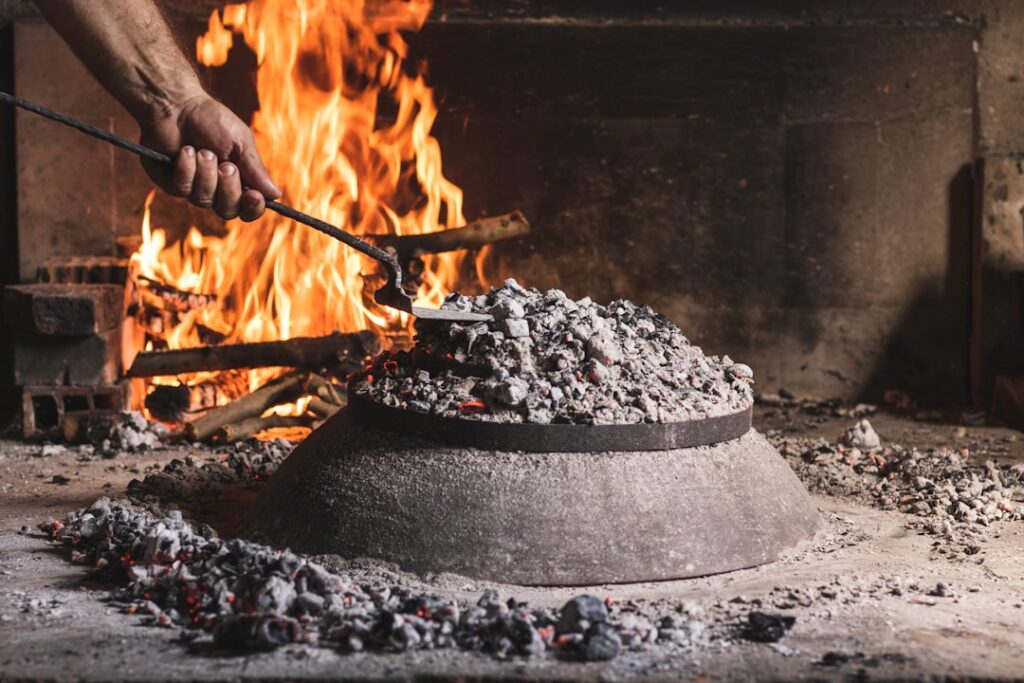
Coal forges are traditional and offer a high level of heat, but they require more maintenance and can be messier to work with.
Propane Forges: Clean and Easy to Manage
On the other hand, propane forges are cleaner and easier to manage, making them an attractive option for those just starting.
Choosing the Right Forge for Your Needs
As we evaluate our options, it’s essential to consider our specific needs and circumstances. If we have access to a suitable outdoor space and are willing to invest time in learning the intricacies of coal forging, it could be a rewarding experience. However, if we prefer a more straightforward approach with less cleanup, a propane forge might be the better choice. Ultimately, our decision should align with our goals as blacksmiths and the resources available to us.
Essential Tools and Equipment for Blacksmith Forging
Equipping ourselves with the right tools is crucial as we embark on our blacksmithing journey. While it may be tempting to acquire every tool available, we should focus on the essentials that will allow us to start forging effectively. A good anvil is one of the most important tools we will need; it serves as our primary work surface for shaping metal.
When selecting an anvil, we should look for one that is sturdy and has a flat surface, as this will facilitate our work. In addition to an anvil, we will need a variety of hammers, tongs, and chisels. Hammers come in different shapes and weights, each designed for specific tasks.
Tongs are equally important, as they allow us to hold hot metal safely while we work. As we progress in our skills, we may find ourselves investing in more specialized tools, but starting with these basics will provide us with a solid foundation for our blacksmithing endeavors.
Safety Precautions and Best Practices for Beginners
| Topic | Description |
|---|---|
| Wear Protective Gear | Always wear a helmet, knee pads, and elbow pads to protect yourself from injuries. |
| Learn Proper Technique | Take lessons or watch tutorials to learn the correct way to perform activities such as skiing, snowboarding, or rock climbing. |
| Stay Hydrated | Drink plenty of water before, during, and after physical activities to avoid dehydration. |
| Follow Instructions | Read and follow all safety guidelines and instructions provided by instructors or guides. |
| Know Your Limits | Avoid pushing yourself too hard and know when to take a break to prevent accidents or injuries. |
Safety should always be our top priority when engaging in blacksmithing. The process involves working with high temperatures and heavy equipment, which can pose significant risks if not approached with caution. Before we even begin forging, it’s essential to equip ourselves with appropriate safety gear.
This includes heat-resistant gloves, safety goggles, and sturdy footwear to protect against falling objects or hot sparks. In addition to personal protective equipment, we must also establish safe working practices. Keeping our workspace organized and free from clutter can help prevent accidents.
We should always be aware of our surroundings and ensure that flammable materials are kept at a safe distance from our forge. By fostering a culture of safety in our blacksmithing practice, we can enjoy our craft while minimizing risks.
Selecting the Right Fuel for Your Forge
The choice of fuel for our forge can significantly impact our blacksmithing experience. As we explore our options, we find that coal, charcoal, and propane are the most common fuels used in blacksmithing. Each type has its unique characteristics that can affect how we work with metal.
Coal is traditional and provides excellent heat but requires more effort to maintain a consistent temperature.
Propane is often favored by beginners due to its convenience and ease of use.
It ignites quickly and allows us to control the temperature more precisely than solid fuels. As we consider our options, it’s essential to think about what will work best for our specific needs and preferences. Ultimately, the right fuel choice will enhance our forging experience and help us achieve better results in our projects.
Setting Up Your Workspace for Blacksmith Forging
Ventilation: A Crucial Aspect
We should aim to set up our forge in a well-ventilated area to ensure that any fumes produced during the forging process can dissipate safely. If possible, working outdoors or in a dedicated workshop space can provide us with the room needed to maneuver comfortably while minimizing hazards.
Organizing Tools and Equipment
In addition to ventilation, organizing our tools and equipment will help streamline our workflow. We can create designated areas for different tasks—such as heating metal, shaping it on the anvil, and cooling it in water—so that everything is within easy reach when we need it.
A Well-Structured Workspace Enhances Efficiency
A well-structured workspace not only enhances efficiency but also contributes to a more enjoyable forging experience. By having a clear and organized workspace, we can focus on the task at hand and produce high-quality work.
Basic Techniques and Projects for Beginners
As we begin our journey into blacksmithing, mastering basic techniques is essential for building our skills. One of the first techniques we should learn is drawing out metal, which involves elongating it by hammering it on the anvil. This foundational skill will serve us well as we progress to more complex projects.
Other techniques include bending, twisting, and punching holes in metal—all of which are fundamental to creating various items. For beginners, starting with simple projects can help us gain confidence while honing our skills. We might consider crafting items like hooks or simple knives as initial projects.
These items require basic techniques but allow us to explore creativity while producing functional pieces. As we become more comfortable with these projects, we can gradually take on more challenging endeavors that showcase our growing expertise.
Resources for Further Learning and Skill Development
As we continue on our blacksmithing journey, seeking out additional resources can greatly enhance our learning experience. Books on blacksmithing techniques can provide valuable insights into both traditional methods and modern practices. Online tutorials and videos offer visual demonstrations that can help clarify complex techniques or inspire new project ideas.
Joining local blacksmithing clubs or online communities can also be beneficial as they provide opportunities for networking with fellow enthusiasts. Engaging with experienced blacksmiths can offer mentorship opportunities and valuable feedback on our work. By actively seeking out resources and connecting with others in the community, we can foster our growth as blacksmiths while deepening our appreciation for this timeless craft.
In conclusion, embarking on a journey into blacksmith forging is both exciting and rewarding. By understanding the basics of the craft, choosing the right tools and workspace, prioritizing safety, selecting appropriate fuel sources, mastering fundamental techniques, and seeking out resources for continued learning, we can cultivate our skills and creativity in this ancient art form. As we forge ahead on this path, we not only connect with a rich tradition but also discover the joy of creating something unique with our own hands.
If you are a beginner looking for the best blacksmith forge, you should check out Far Hills Forge. They offer a variety of forges suitable for beginners, such as their portable propane forge. For more information on getting started with blacksmithing, you can read their article on beginner tips for blacksmithing. This article provides valuable insights and advice for those just starting out in the craft.