Introduction
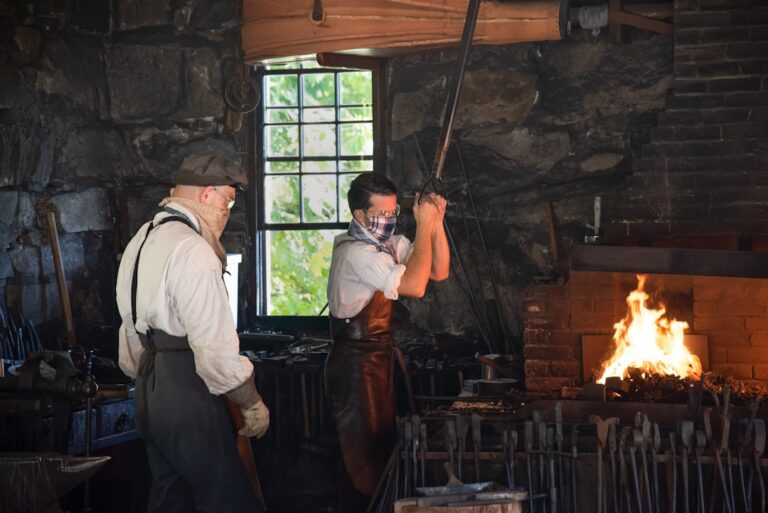
In a world increasingly dominated by digital technology, it may come as a surprise to learn that the age-old craft of blacksmithing is still very much alive and thriving. While the tools and techniques may have evolved over the centuries, the fundamental allure of working with fire, hammer, and steel remains as captivating as ever. Welcome to the world of blacksmithing, where the sparks fly, and the possibilities are as endless as the imagination.
Blacksmithing is a unique blend of physical labor, artistic expression, and technical expertise that has captured the hearts and minds of people for generations. Whether you’re a seasoned metalworker or simply curious about the craft, this blog post will delve into the fascinating realm of blacksmithing, exploring the history, the tools, the techniques, and the sheer joy of creating something tangible with your own two hands.
The Origins of Blacksmithing
The art of blacksmithing can be traced back thousands of years, with evidence of metalworking techniques dating as far back as the Bronze Age. As humanity’s understanding of metallurgy and metalworking evolved, the role of the blacksmith became increasingly important, shaping the development of tools, weapons, and everyday objects that were essential to the progress of civilization.
The term “blacksmith” itself is derived from the Old English words “blæc” (meaning black) and “smith” (meaning craftsman), a nod to the soot-covered appearance of the blacksmith’s forge and the intense heat required to work with metal. In the early days, blacksmiths were not only skilled artisans but also crucial members of their communities, responsible for creating and repairing the tools, hardware, and implements that were vital to the daily lives of their neighbors.
As the Industrial Revolution swept across the world, the role of the blacksmith began to shift, with mass-produced goods gradually replacing the need for handcrafted items. However, the allure of this ancient craft never truly faded, and today, blacksmithing has experienced a resurgence in popularity, with a growing community of enthusiasts and artists keeping the tradition alive.
The Blacksmith’s Forge: The Heart of the Craft
At the center of the blacksmithing world is the forge, a specially designed furnace that generates the intense heat necessary to work with metal. Traditionally, blacksmiths would use a charcoal or coal-fired forge, carefully controlling the airflow and temperature to achieve the perfect conditions for shaping their materials.
Modern blacksmiths, however, have access to a wide range of forge types, including gas-fired and electric models, each with their own unique advantages and considerations. Regardless of the fuel source, the forge serves as the beating heart of the blacksmith’s workshop, where the transformation from raw material to finished product takes place.
The forge is not just a tool but a living, breathing entity that demands respect and skill to operate effectively. Mastering the art of stoking the fire, maintaining the proper temperature, and controlling the airflow is a crucial aspect of the blacksmithing process, as the slightest misstep can result in a ruined piece or even a dangerous situation.
The Blacksmith’s Tools: Crafting with Precision
Alongside the forge, the blacksmith’s toolkit is an essential component of the craft, each tool serving a specific purpose and requiring a unique set of skills to wield effectively. From the sturdy anvil, where the metal is shaped and forged, to the hammer, which delivers the decisive blows, every tool in the blacksmith’s arsenal plays a vital role in the creative process.
Other essential tools include tongs, for safely handling hot metal, quenching tanks, for rapidly cooling the workpiece, and a wide range of specialized hammers, each designed for a particular task. The blacksmith’s skill lies not only in their ability to manipulate the metal but also in their mastery of these tools, using them in concert to achieve the desired shape, texture, and finish.
As with any craft, the tools of the blacksmithing trade have evolved over time, with modern blacksmiths incorporating innovative technologies and materials to enhance their work. However, the fundamental principles and techniques remain largely unchanged, with the blacksmith’s hands and eyes serving as the primary instruments of creation.

The Art of Forging: Shaping Metal with Fire and Hammer
At the heart of blacksmithing lies the act of forging, the process of shaping and transforming metal through the application of heat and physical force. This ancient technique, which has been practiced for millennia, requires a delicate balance of skill, patience, and intuition, as the blacksmith must carefully manipulate the metal to achieve their desired outcome.
The forging process typically begins with heating the metal in the forge, raising the temperature to a point where the material becomes malleable and responsive to the blacksmith’s touch. Once the metal has reached the optimal temperature, the blacksmith will use a hammer to strike the workpiece, causing it to deform and take on the desired shape.
This dance between heat and hammer is a carefully choreographed routine, with the blacksmith anticipating the metal’s response and adjusting their techniques accordingly. The rhythm of the hammer blows, the hiss of the quenching water, and the sizzle of the hot metal all contribute to the captivating symphony of the forge.
As the blacksmith works, they must also consider the unique properties of the metal they are using, as different materials require different forging techniques and temperatures. This deep understanding of metallurgy is a crucial aspect of the blacksmith’s craft, allowing them to push the boundaries of what is possible and create truly exceptional pieces.
Forging Techniques: Mastering the Art of Metalworking
The world of blacksmithing is rich with a diverse array of forging techniques, each one offering a unique approach to shaping and manipulating metal. From the classic techniques of drawing out, upsetting, and bending, to more advanced methods like fullering, swaging, and punching, the blacksmith’s repertoire is a testament to the ingenuity and creativity of this ancient craft.
One of the most fundamental forging techniques is drawing out, which involves stretching the metal to create longer, thinner forms. This technique is often used to create items like nails, hooks, and other linear components. Upsetting, on the other hand, involves compressing the metal to create thicker, more robust forms, making it ideal for the creation of tools and hardware.
Bending, a technique that allows the blacksmith to create curves and angles in the metal, is another essential skill in the blacksmith’s arsenal. This technique is particularly useful for the creation of decorative elements, as well as more functional items like hooks, brackets, and hinges.
As the blacksmith’s skills progress, they may explore more advanced techniques like fullering, which involves creating grooves or indentations in the metal, and swaging, which allows for the creation of complex shapes and profiles. Punching, a technique that involves creating holes or openings in the metal, is also a valuable tool in the blacksmith’s repertoire, enabling the creation of intricate designs and functional components.
Mastering these forging techniques requires a deep understanding of the physical properties of metal, as well as a keen eye for detail and a steady hand. It is a process that demands patience, practice, and a willingness to experiment, as the blacksmith continuously pushes the boundaries of what is possible with fire, hammer, and steel.
The Artistic Side of Blacksmithing
While the functional aspects of blacksmithing have long been celebrated, the craft has also evolved to incorporate a strong artistic component, with modern blacksmiths creating truly breathtaking works of art that push the boundaries of what is possible with metal.
From the intricate, decorative ironwork that adorns historic buildings and gates, to the sculptural pieces that grace public spaces and private collections, the artistic expression of blacksmithing is a testament to the versatility and creativity of this ancient craft.
Blacksmiths who choose to focus on the artistic side of their craft often employ a wide range of techniques, from delicate, intricate filigree work to bold, sweeping forms that command attention. They may also incorporate other materials, such as wood, glass, or stone, to create truly unique and visually stunning pieces.
The artistic blacksmith’s workshop is a place of experimentation and exploration, where the boundaries between form and function are constantly being tested and redefined. It is a space where the blacksmith’s technical mastery and creative vision converge, giving birth to works of art that captivate and inspire.
The Modern Blacksmith: Keeping Tradition Alive
In an age of mass-produced goods and digital technologies, the role of the modern blacksmith has evolved, but the core principles of the craft remain unchanged. Today, blacksmiths are not only preserving the traditions of their ancestors but also pushing the boundaries of what is possible with metal, creating innovative and inspiring works that speak to the enduring allure of this ancient craft.
Whether they are crafting custom tools and hardware for the discerning customer, or creating stunning works of art that grace galleries and public spaces, the modern blacksmith is a true renaissance figure, blending technical expertise, artistic vision, and a deep respect for the traditions of their craft.
One of the most exciting aspects of the modern blacksmithing landscape is the diversity of the community. From hobbyists and enthusiasts to professional artisans and industrial metalworkers, the blacksmithing world is a vibrant and dynamic space, where ideas are shared, techniques are honed, and the spirit of innovation is ever-present.
Through workshops, demonstrations, and online communities, the modern blacksmith is not only preserving the legacy of their craft but also inspiring a new generation of metalworkers to pick up the hammer and forge their own path in the world of blacksmithing.
Conclusion: Forging a New Future
As we’ve explored the captivating world of blacksmithing, it’s clear that this ancient craft is not only alive and well but also thriving in the modern era. From the primal allure of the forge to the endless possibilities of metal shaping, the blacksmith’s art continues to captivate and inspire, serving as a testament to the enduring power of human creativity and ingenuity.
Whether you’re a seasoned metalworker or simply someone who appreciates the beauty and craftsmanship of handmade objects, the world of blacksmithing has something to offer. So why not take a step back in time, stoke the fire, and discover the joy of forging your own path in this timeless and captivating craft?